


A stone chip used to cost $300 to fix. Now it can run past $1,000, and the culprit is the cluster of cameras hidden behind your rearview mirror feeding lane-keeping assist, automatic emergency braking, and adaptive cruise control. Replace the glass without recalibrating those systems, and your car’s safety net goes blind.
That’s the new math of car ownership. Advanced driver-assistance systems have gone from option-sheet luxuries to standard equipment in barely half a decade. They save lives, but they also generate repair bills that are reshaping the economics of collision repair and auto insurance.
A 2023 AAA study laid bare the numbers. On three of America’s most common vehicles — the Ford F-150, Nissan Rogue, and Toyota Camry — ADAS components accounted for over 70 percent of the cost to fix a side mirror. On minor rear-end collisions, the tech buried behind that innocent-looking plastic bumper fascia drove roughly 40 percent of a typical $1,700 repair estimate.
One Ford Bronco owner recently watched a Safelite windshield quote double from $400 to $850 once ADAS recalibration entered the equation.
The structural side is worse. Modern vehicles use high-strength steel and aluminum designed to crumple in precisely engineered ways. That’s great for crash safety, but it’s terrible for your wallet, because crumpled high-strength steel can’t be hammered back into shape.
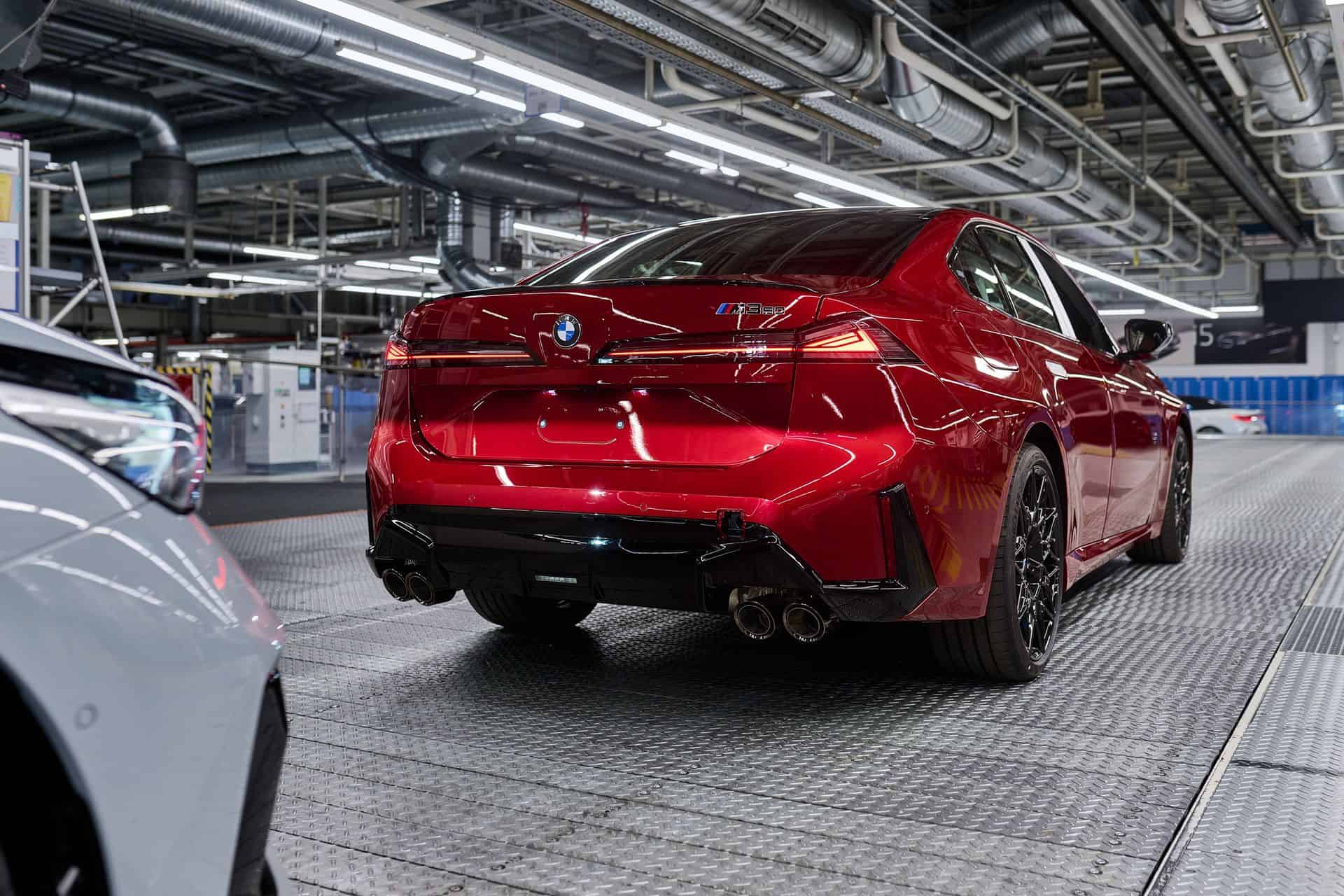
Entire body sections get cut out and replaced, requiring specialized jigs, certified technicians, and eye-watering parts bills. A Tesla Model Y rear-end collision documented in a 2024 industry report cost one owner nearly $20,000. And as EV battery packs become load-bearing structural members of the chassis, the cost trajectory only steepens.
Insurers see it all in their claims data. JD Power’s 2025 Auto Claims Satisfaction Study found that total losses — vehicles the insurer writes off rather than repairs — jumped from 16 percent of claims in 2022 to 27 percent last year. Small claims under $2,000 are vanishing, dropping from a third of the total to just 20 percent. The cheap fender-bender is going extinct.
Shop time is ballooning too. Vehicles equipped with three or more ADAS features now average 21.5 days in the repair bay, compared with 17.9 for cars without. That’s four extra days of rental coverage per claim the insurer eats — and passes along at renewal time.
Full-coverage premiums have climbed well beyond pre-pandemic levels, with exact figures varying by region and source. The same technology that nudges your car back into its lane is nudging your insurance bill higher every six months.
Nobody warned buyers about this when ADAS went mainstream. Automakers marketed the safety story. Insurers initially offered discounts for crash-avoidance tech, but now the bill is coming due on the back end, and the gap between purchase price and lifetime ownership cost is widening in ways most consumers never anticipated.
Some repair shops compound the problem by skipping ADAS recalibration entirely — they lack the equipment or the training — sending customers back onto the road with cameras and radar modules that are subtly misaligned. The safety system looks functional on the dashboard. It just doesn’t work right.
Before signing for your next new car, check what the insurance will actually cost, ask your body shop whether they can handle ADAS calibration, and verify your policy covers it. The sticker price is only the beginning. Every sensor, every camera, every radar module embedded in that sheet metal represents a future repair bill waiting to happen. Cars have never been smarter, and they’ve never been more expensive to put back together.
Share this Story