
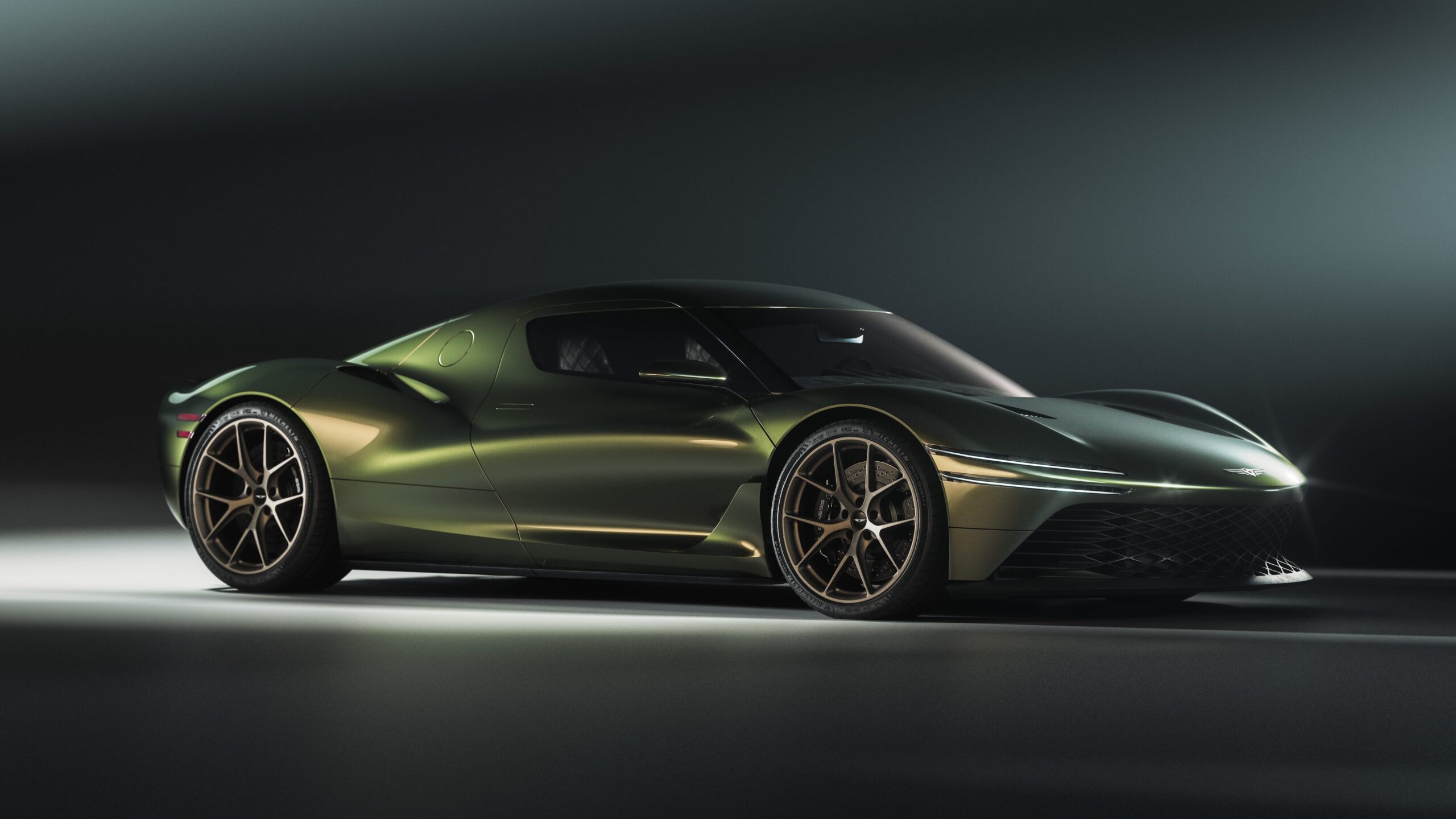


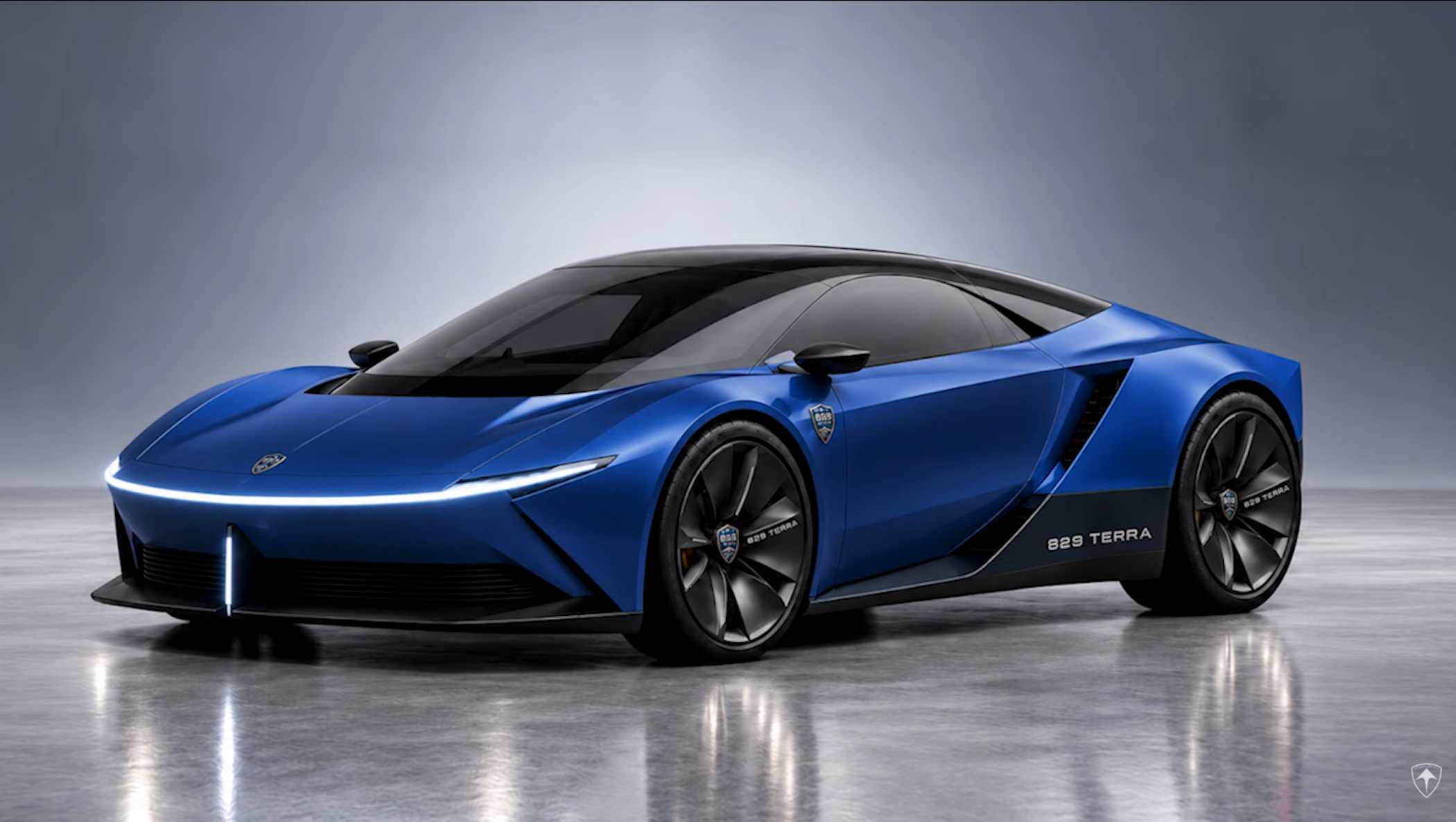
A turbocharged V-8 mounted behind the cabin, dihedral doors, a fighter-jet canopy profile, and an estimated starting price of $150,000. That is what Genesis says the Magma GT will deliver when it arrives around 2028. If even half of that lands as promised, Hyundai’s luxury division will have vaulted from building polite sedans and SUVs into the supercar conversation in less than a decade.
The Magma GT is the second entry in Genesis’ Magma sub-brand, following the GV60 Magma crossover. But calling them siblings would be generous. The GV60 Magma is an electric compact SUV with aggressive paint and a firm suspension tune, while the Magma GT is a mid-engine, two-seat coupe that Genesis openly admits it wants to race in a GT series alongside the Hypercar prototype being developed for its endurance program.
That dual intent — road car and racing homologation platform — is the most interesting thread here. Genesis isn’t just building a showpiece. It’s building the foundation for motorsport credibility, something no amount of advertising can buy.
The interior details released so far reinforce the split personality Genesis is cultivating. Quilted leather, genuine metal accents, a gated automatic shifter, and what the brand describes as a “refreshingly anti-digital” cockpit. A small display screen handles the essentials, but otherwise the cabin appears designed to keep the driver’s hands and eyes where they belong.
Two distinct seating pods are separated by a large center console. It sounds more GT-touring than stripped-out track weapon, and that is deliberate.
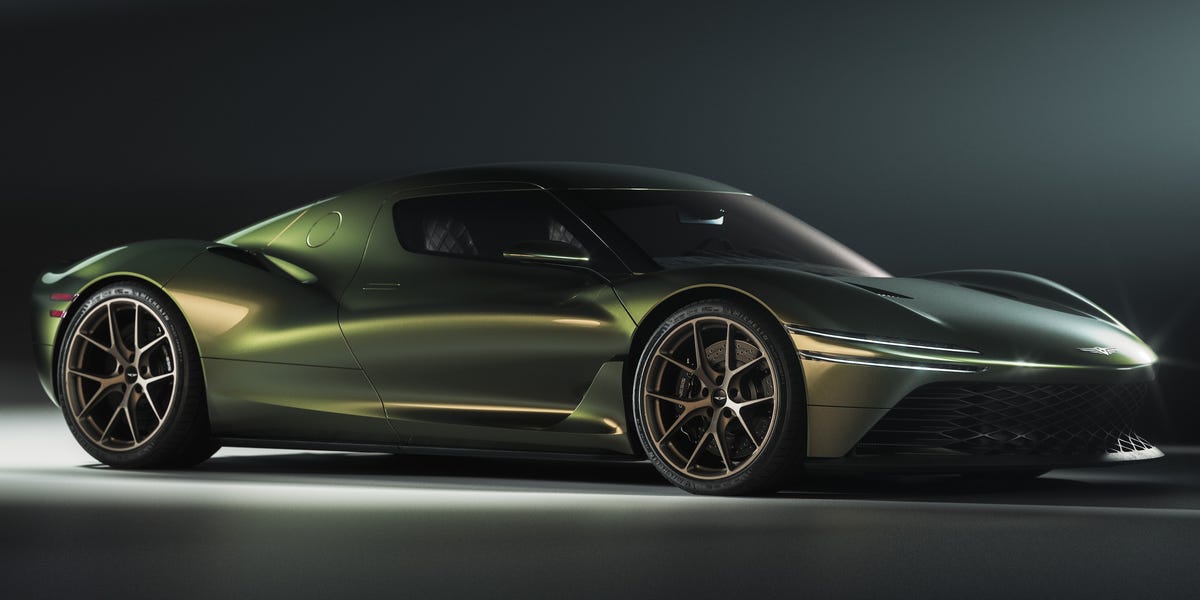
Genesis uses the phrase “effortless performance” to describe the car’s character, code for a machine that can demolish a hot lap and then cruise home in climate-controlled comfort. The company has also hinted at a full 911-style model expansion — multiple performance tiers and a convertible — which would turn the Magma GT from a one-off halo car into a genuine product line.
That ambition is staggering for a brand that sold its first car in 2016. But the pricing tells you Genesis understands where it needs to be. At $150,000, the Magma GT would slot below the Porsche 911 GT3 RS and well below anything from McLaren or Ferrari, while offering a mid-engine V-8 layout that the Corvette ZR1 currently owns at a lower price point.
Genesis will have to justify the premium over a ZR1, and it will have to prove it belongs in the same conversation as Stuttgart’s finest. That is a tall order for a brand with zero supercar heritage.
The powertrain specifics remain scarce. No horsepower figures, no torque numbers, no 0-to-60 claims. Genesis is keeping its cards close, which either means the engineering isn’t finalized or the marketing team wants a slow drip of reveals over the next two years.
Either way, the turbocharged V-8 designation is a bold statement in 2025, when most luxury brands are either electrifying everything or hedging with hybrids.
What Genesis has done well — consistently — is undercut rivals on price while delivering interiors and ride quality that embarrass cars costing $20,000 more. The G90 proved it in the sedan space. The GV80 proved it with SUVs. Whether that formula translates to a mid-engine supercar, where chassis dynamics and engine character matter more than value equations, is the open question.
No one needs to be reminded that building a great luxury sedan and building a great supercar require fundamentally different competencies. Genesis is betting that its engineering depth, Hyundai’s vast resources, and the crucible of endurance racing will close that gap. The Magma GT is not a concept — it is a commitment, and now the brand has to deliver.

Share this Story