
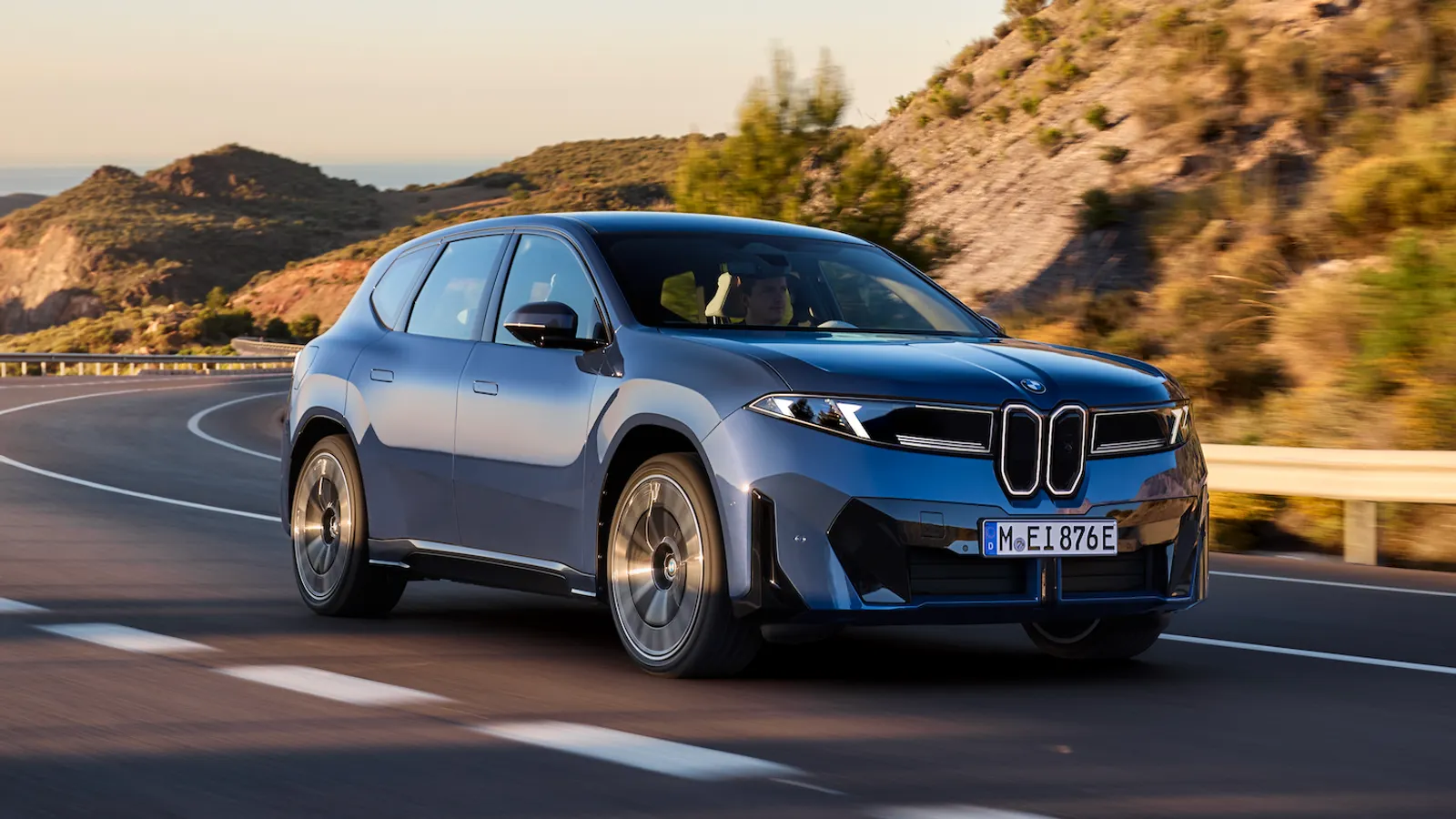


Fifty thousand orders before the first customer took delivery. That’s the number BMW is hanging its hat on as the redesigned iX3 SUV — the first vehicle built on the automaker’s long-promised Neue Klasse platform — rolls into European driveways.
The company already added a second shift at its new assembly plant in Debrecen, Hungary, to keep up. And during its Q1 earnings call on May 6, BMW’s leadership projected something rare in the current EV landscape: genuine confidence backed by actual cost reductions.
R&D spending fell 12% year-over-year to roughly 1.8 billion euros. Finance chief Walter Mertl credited early investment in the Neue Klasse architecture for allowing BMW to pull back now, rather than chase costs later. The capitalization ratio dropped 4.3 percentage points to 31.4%. These aren’t aspirational targets — they’re already on the books.
The iX3 represents a meaningful technical leap. BMW’s sixth-generation eDrive system pairs cylindrical battery cells — delivering 20% higher energy density — with an 800-volt architecture. That’s the table stakes configuration the industry has been moving toward, but BMW’s execution timeline matters.
The platform is here, in production, shipping to customers. Not on a slide deck.
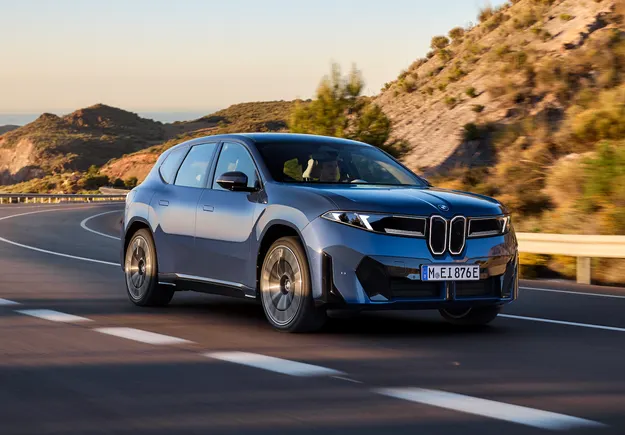
CEO Oliver Zipse doubled down, saying every future BMW model will adopt Neue Klasse technology and design language regardless of powertrain. That’s a sweeping commitment. It means the platform isn’t just an EV play — it’s the company’s entire product strategy for the rest of the decade, with at least six EV models planned by 2030.
The second Neue Klasse vehicle, the i3 electric sedan, was unveiled in March. BMW claims it will deliver 30% more range and 30% faster charging than the outgoing i4. Zipse said the i3 will cost 10% less to produce at Munich once full deliveries begin, with the plant converting to exclusive EV production by 2027 following a 650 million euro investment.
China got its own treatment. A long-wheelbase iX3 L debuted at Auto China last month, to be built at BMW’s Brilliance joint venture factory in Shenyang. Deliveries there start this summer, and the standard iX3 arrives at U.S. dealers on the same timeline.
The Q1 numbers tell a broader story. BMW delivered over 87,000 battery-electric vehicles globally, representing 15.5% of total sales. Include plug-in hybrids and the electrified share hits 23.4%, or about 133,000 units, with BEV order intake in Europe surging more than 60% year-over-year driven almost entirely by the iX3.
BMW’s leadership is targeting an 8-10% EBIT margin as Neue Klasse production scales. That’s ambitious in an environment where most competitors are bleeding cash on their EV programs or quietly retreating to hybrids. Mertl acknowledged “overall headwinds” but framed the cost discipline as structural, not reactive.
The tension here is real. BMW committed billions to this platform years ago, when EV demand forecasts looked rosier and tariff wars hadn’t reshaped supply chains. The bet was that a clean-sheet architecture would eventually pay for itself through manufacturing efficiency and customer appeal. The early returns suggest they called it right.
Whether 50,000 orders becomes 500,000 depends on execution across markets, price discipline, and a charging infrastructure that still lags in key regions. But BMW has something most of its German rivals don’t right now: a next-generation EV platform that is actually in customers’ hands, cutting costs, and generating real demand. The Neue Klasse isn’t a concept anymore. It’s the company’s present tense.
Share this Story