
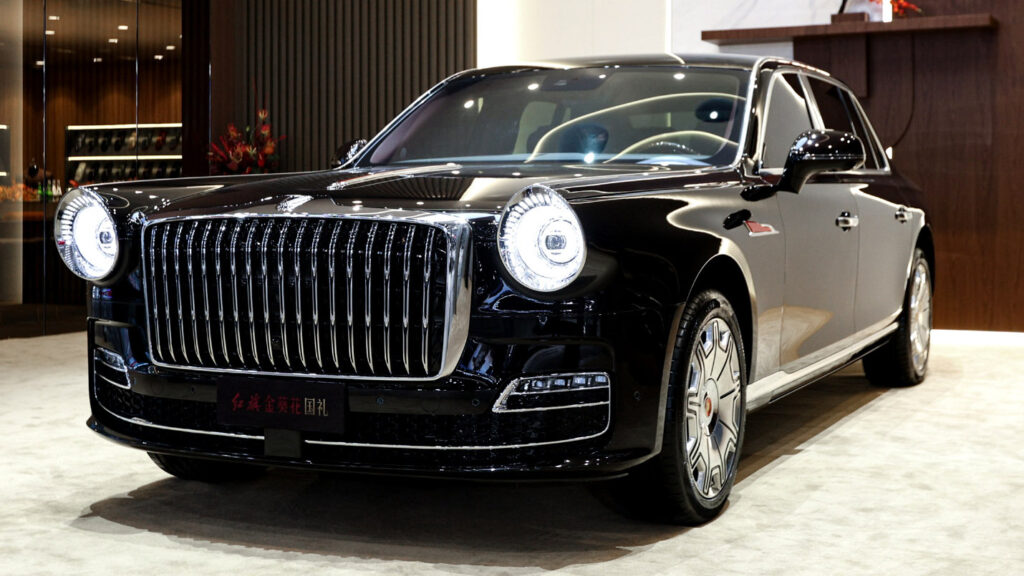


A Chinese luxury automaker once reserved for Communist Party elites is negotiating to build cars inside a Stellantis plant in Spain, according to five sources familiar with the discussions. Hongqi, the brand Mao Zedong rode in, wants to use an existing European factory rather than spend hundreds of millions on its own.
The talks are running through Leapmotor, the Chinese EV startup that both Stellantis and Hongqi’s parent company FAW have invested in. Leapmotor already has a platform-sharing deal with Hongqi and a production agreement with Stellantis at its Zaragoza plant. Now Hongqi is leveraging both relationships to shortcut its way into European manufacturing.
“This was the way that Hongqi can start European production quickly,” one source with direct knowledge told Reuters. “Hongqi is using that network to gain a manufacturing base through Leapmotor and Stellantis.”
Stellantis, for its part, offered the kind of non-denial that confirms more than it conceals. A spokesperson said the company “holds discussions with a range of industry players around the world on various topics.” No specifics were addressed.
Hongqi announced last year it would launch 15 electric and hybrid models across 25 European markets by 2028. Its target is 1 million vehicles annually by 2030, with at least 10 percent sold outside China. Production in Spain would be its first western European manufacturing foothold, a serious milestone for a brand that spent decades building sedans exclusively for party officials in Beijing.
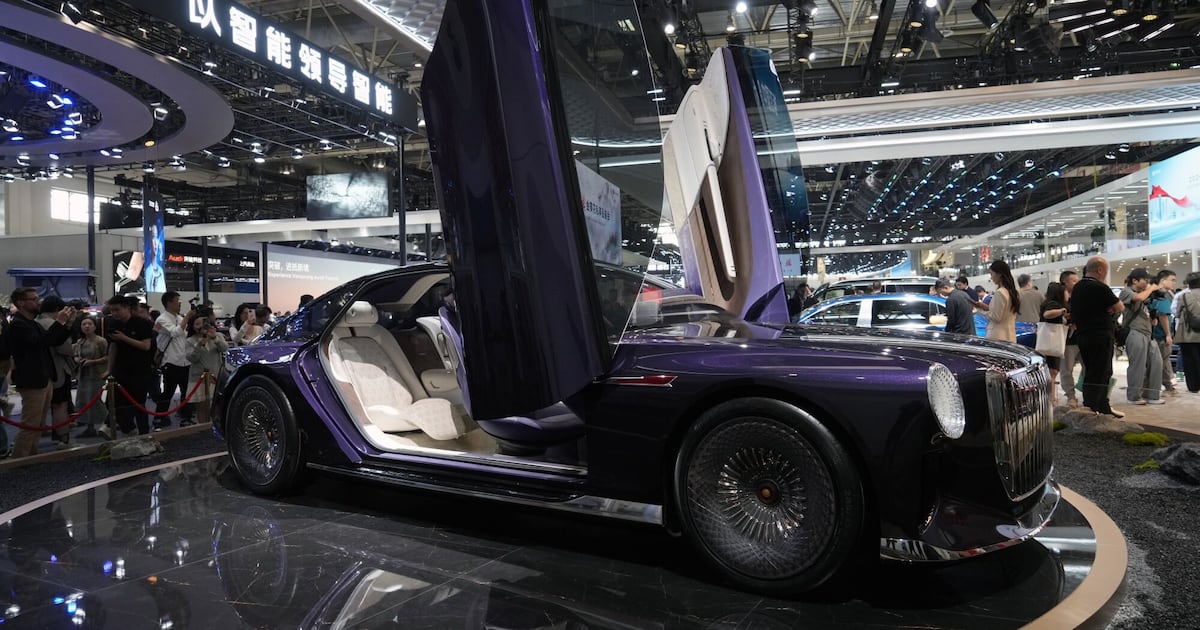
The Zaragoza factory is quickly becoming the most interesting assembly plant in Europe. Stellantis already plans to build Leapmotor-branded EVs there later this year. Reuters reported earlier this month that an Opel-branded electric SUV using Leapmotor technology is also headed for the same facility.
Now add Hongqi to the mix. One plant, three brands, Chinese underpinnings across the board.
For Stellantis, the logic is brutal but clear. The company is hemorrhaging cash, its legacy brands are struggling, and factory utilization across Europe has cratered. Renting out capacity to Chinese partners keeps lines running and workers employed. It also keeps Spanish politicians from asking uncomfortable questions about plant closures.
For Hongqi, Spain solves the tariff problem that has haunted every Chinese automaker eyeing Europe. The European Union slapped additional duties of up to 35.3 percent on Chinese-made EVs last year. Build in Zaragoza, and those tariffs evaporate. One source said Hongqi has also explored Hong Kong as a production base for the same reason, but no decision has been made.
The irony is thick. Stellantis, the conglomerate born from the merger of Fiat Chrysler and PSA Group, built its empire on European heritage brands like Peugeot, Citroën, Alfa Romeo, and Fiat. Now it is becoming a contract manufacturer for Chinese companies that want to sell EVs on the same continent. CEO Carlos Tavares is gone, and the strategy that remains looks less like a European auto champion and more like a landlord with spare factory space.
The talks may not lead to a deal. But the direction of travel is unmistakable. Chinese automakers are not just exporting to Europe anymore — they are embedding themselves inside European industrial infrastructure, using European partners as the doorway.
Hongqi went from building cars for Mao to negotiating factory time with the company that makes Jeeps and Fiats. The auto industry’s center of gravity has not just shifted. It has relocated.
Share this Story