
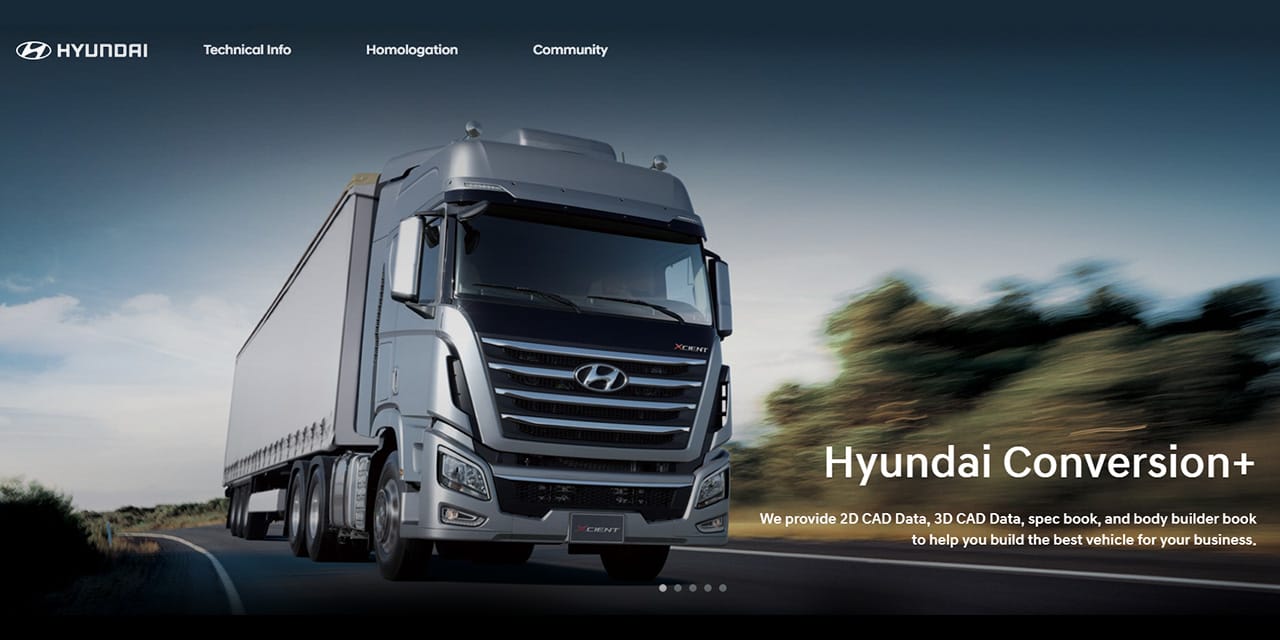


Hyundai Motor isn’t chasing headlines with another concept car or a flashy EV reveal. Instead, the Korean automaker just made its most telling commercial vehicle move in years — and it’s aimed squarely at the people who actually build the trucks customers drive.
The company launched Hyundai Conversion+ on April 20, a digital platform serving vehicle bodybuilders and conversion partners across roughly 120 countries in 15 languages. It covers the full commercial vehicle range, from heavy-duty trucks down to light commercial vehicles. It’s organized through six dedicated regional portals spanning Africa, the Middle East, Asia-Pacific, Eurasia, Europe, Korea, and Latin America.
This is infrastructure, not marketing. And that distinction matters.
Commercial vehicles don’t roll off the assembly line ready for work. They need specialized bodies — refrigerated boxes, flatbeds, dump configurations, ambulance modules, you name it. That conversion work is done by third-party bodybuilders, and those companies live and die by the quality of technical data they get from the chassis manufacturer. Miss one detail in a specification book or frame modification drawing and you’ve got a warranty nightmare or worse.
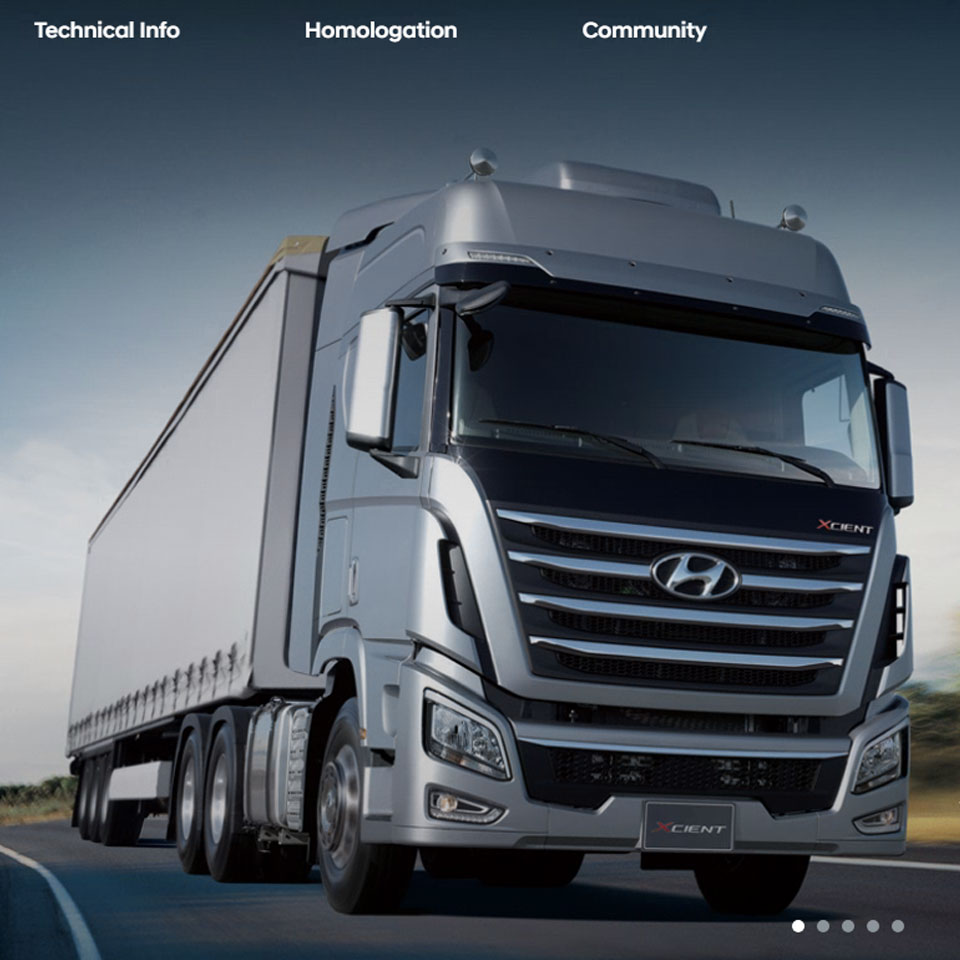
Hyundai has operated a domestic version of this kind of portal for Korean bodybuilders since 2018. What’s new is the global scale and the complete redesign. The platform includes a centralized technical hotline that connects regional headquarters with Hyundai’s global HQ and R&D centers for real-time issue resolution.
“The launch of Hyundai Conversion+ marks a meaningful step in strengthening Hyundai Motor’s role as a mobility industry partner,” said Chul Youn Park, Senior Vice President and Head of Global CV&LCV Business Division. The language is corporate boilerplate. The action behind it is not.
Hyundai developed the platform after conducting needs assessments with regional teams in each of its key markets. That bottom-up approach — asking the people doing the work what they actually need — runs counter to how most OEMs handle their commercial vehicle aftermarket relationships. Those typically involve emailing PDFs and hoping for the best.
The company also signaled that Conversion+ won’t stay limited to technical documentation. Future plans include integrating sales support and networking tools, turning the platform into a full ecosystem hub rather than just a parts library.
This is Hyundai playing a longer game. The global special-purpose vehicle market is expanding, driven by last-mile delivery demand, electrification of commercial fleets, and increasingly complex regulatory requirements across regions. The manufacturers who make OEM-to-bodybuilder collaboration seamless will win disproportionate loyalty — and volume.
Rivals like Daimler Truck and Volvo have had bodybuilder portals for years, but they’ve historically served European and North American markets first. Hyundai is launching simultaneously across six regions, betting that emerging markets in Africa, Latin America, and Central Asia represent the next frontier for commercial vehicle growth.
There’s no autonomy demo here, no robo-taxi pitch, no breathless keynote. Just a platform that gives the people converting Hyundai trucks the drawings, specs, and direct communication lines they need to do their jobs properly.
Sometimes the most aggressive move a company makes is the one nobody outside the industry notices. Hyundai just built the plumbing for a global commercial vehicle empire. The trucks will follow.
Share this Story