
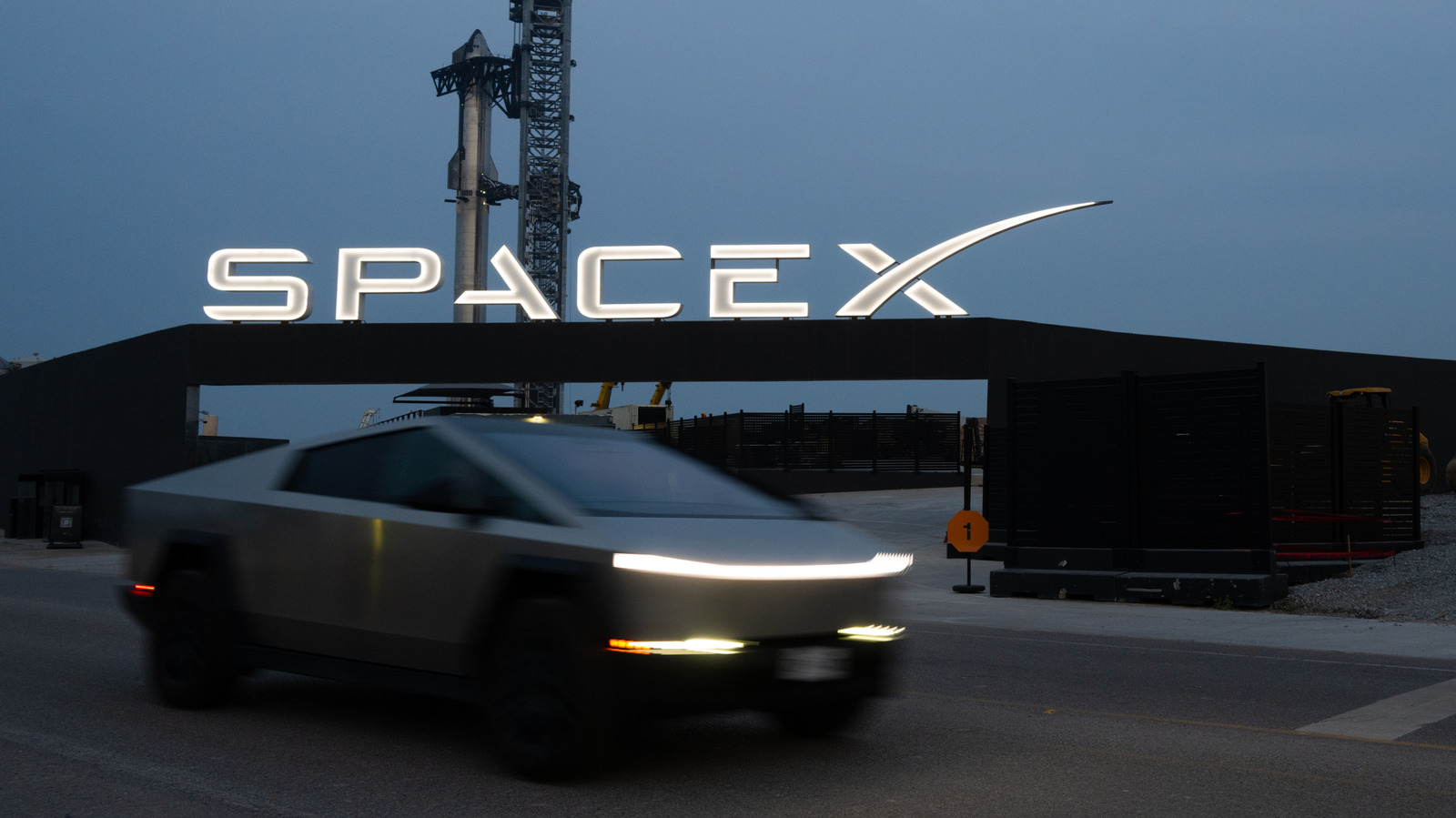


Elon Musk’s SpaceX purchased 1,279 Cybertrucks during the fourth quarter of 2025, accounting for more than 18 percent of all U.S. registrations in that period. Strip those out, along with another 60 bought by Musk’s other ventures, and consumer registrations of the stainless steel pickup would have fallen 51 percent quarter over quarter.
That’s not a sales strategy. That’s life support.
The numbers come from S&P Global Mobility registration data provided to Bloomberg, and they paint a picture of a vehicle that has fundamentally failed to find a market. Of the 7,071 Cybertrucks registered between October and December 2025, nearly one in five went to a company owned by the same man who runs Tesla. The purchases didn’t stop when the calendar turned — another 158 Cybertrucks went to Musk-owned entities in January and 67 more in February, with the buying spree continuing into 2026.
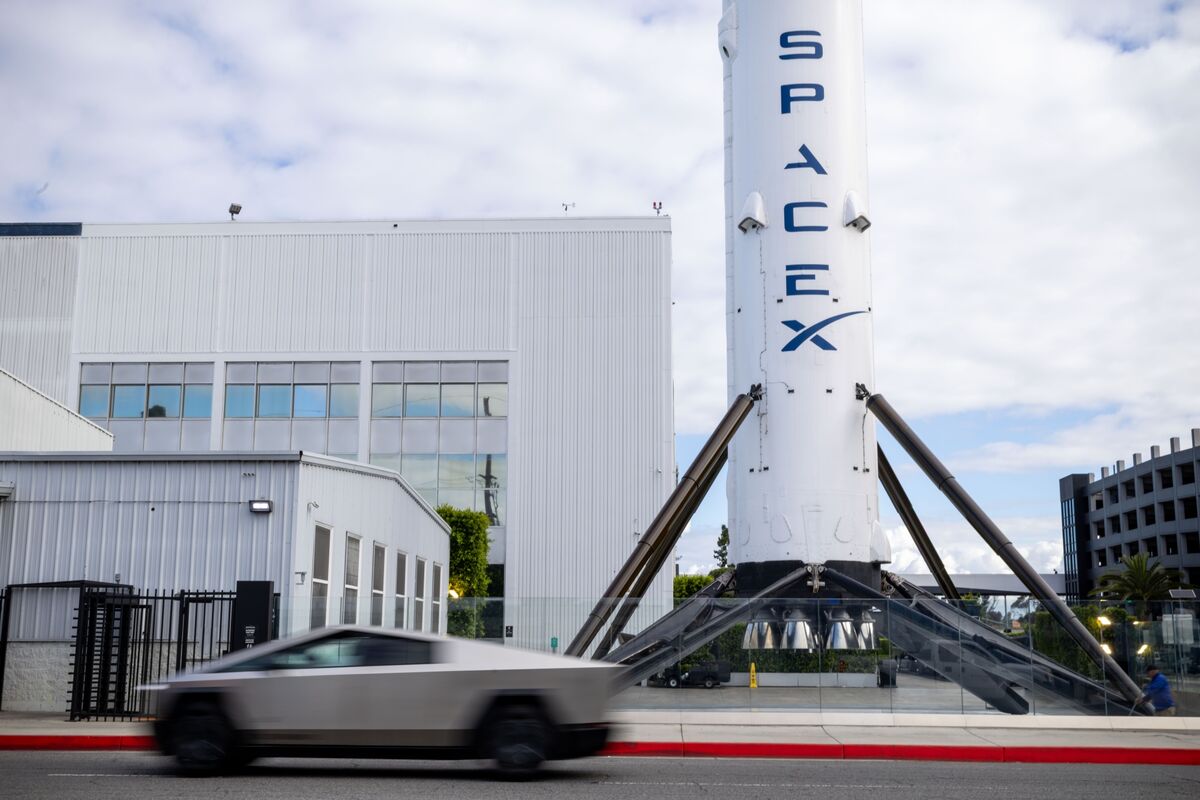
The total value of these inter-empire transactions likely exceeds $10 million. Nobody outside of Musk’s orbit seems to know what SpaceX is actually doing with over a thousand angular pickups at its facilities. Bloomberg photographed Cybertrucks parked outside SpaceX’s Hawthorne, California headquarters, sitting there like stainless steel lawn ornaments.
Tesla moved just 20,237 Cybertrucks in all of 2025, according to InsideEVs. That’s a 48 percent drop from 2024 and a staggering distance from the 250,000-unit annual production target Musk once promised. The truck that was supposed to be Tesla’s triumphant second act has instead become an albatross with a $72,235 base price. At the 2019 reveal, Musk said it would start under $40,000. The current sticker is 81 percent higher than that promise.
The pattern here is unmistakable. Early adopters and Musk loyalists snapped up the initial wave. Once that pool dried up, so did demand.
The Cybertruck’s polarizing design was always going to limit its addressable market, but Musk’s increasingly visible role in global right-wing politics has turned the Tesla brand into something many consumers actively avoid. Driving a Cybertruck in 2026 is less a statement about the future of transportation and more a declaration of political allegiance. The registration data suggests most truck buyers want no part of it.
When a CEO uses his rocket company to buy his car company’s product in volume, it raises questions that go well beyond brand loyalty. SpaceX is a private company with government contracts worth billions. Tesla is a public company whose shareholders presumably expect organic demand to drive revenue.
Shuffling vehicles between entities controlled by the same individual creates the appearance of healthy sales where none exist. It flatters the quarterly numbers. It keeps the narrative alive for investors who track registrations as a proxy for consumer appetite.
But the underlying math is brutal. Even with SpaceX padding the totals, Cybertruck volume cratered nearly 50 percent year over year. Without those purchases, the decline would have been catastrophic by any measure.
Tesla has not publicly addressed the SpaceX purchases or explained their purpose. The company disbanded its press office years ago, a decision that looks less like disruption and more like avoidance with each passing quarter.
The Cybertruck was unveiled seven years ago as a radical reimagining of the American pickup. It arrived late, overpriced, and plagued by quality issues. Now its sales figures depend on the generosity of a sister company that builds rockets. Somewhere in that irony is everything you need to know about where Tesla’s truck program actually stands.
Share this Story