
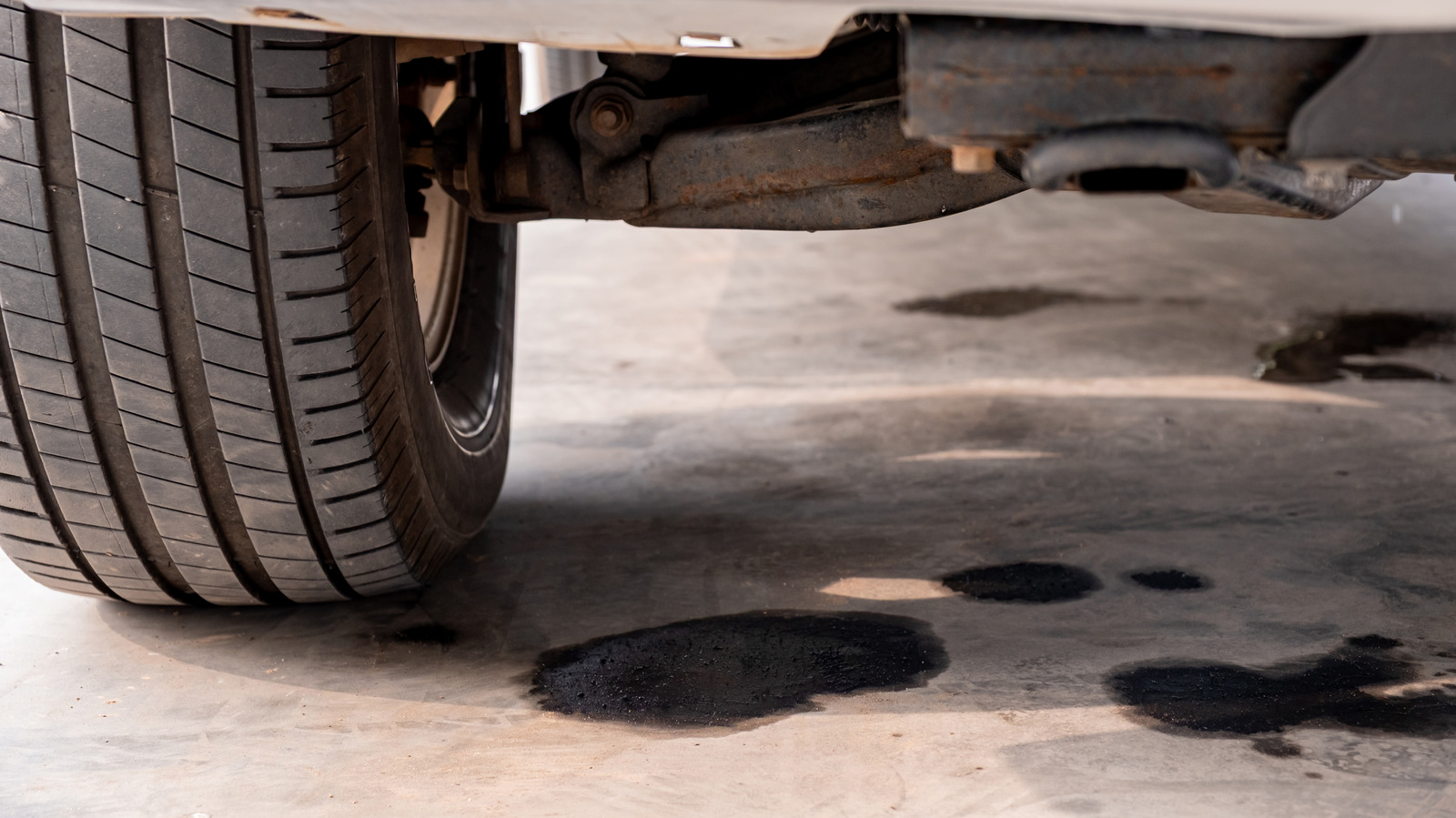


The cheapest fix for a botched oil change may already be sitting next to the flour. Baking soda, mixed with water into a thick paste, lifts engine oil out of concrete for the price of a pantry staple.
That tip comes from a Carscoops maintenance guide by Brad Anderson. Read past the cleaning advice and it says something DIY mechanics rarely admit: the oil change is the easy part.
The pitch for doing your own service is familiar. You save money and you learn skills.
A capable home mechanic can also finish the job faster than driving to a shop and waiting in the lobby. Then the drain plug comes out a turn too early.
The guide is blunt that prevention beats cleanup. A drip tray under the car is the first line of defense. Shop rags, old towels, or garbage bags spread across the floor are the second.
Skip those steps and you are up against porous concrete, which drinks oil and holds onto it.
Speed decides the outcome. A fresh spill can be smothered with kitty litter, sawdust, or cornstarch, then swept up. Brake cleaner or a degreaser sprayed on and wiped away also works well, though Anderson concedes it is not foolproof.
No brake cleaner in the garage? Mix equal parts water and baking soda, leave it on the stain for 30 minutes, scrub with a brush, then rinse.
The household remedies keep coming. A vinegar and water mix can do the job, and so can dish soap and hot water.
None of it requires a trip to the auto parts store.
The commercial aisle has its own answer. Oil Eater can be applied straight or diluted and sprayed, and it can sit overnight to work deeper into the slab. It absorbs the oil and dries into a powder you brush away.
The pressure washer gets a reality check. Blasting a fresh stain is an option, the guide says, but not the best one.
The smarter sequence is degreaser first, a 15 to 30 minute wait, then a detergent solution, and only then the washer. In other words, the tool most people grab first works best as the last step.
For stains that have already settled in, the guide cites Wilco’s homemade method, the most involved of the bunch. Combine sawdust or kitty litter with a solvent like acetone or a commercial oil stain remover. Spread the paste over the stain and leave it for up to 24 hours.
Cover it with plastic wrap so the solvent does not evaporate too quickly. As the paste dries, it pulls the oil up with it, and you scrape or brush the residue away.
So the fix ranges from a few minutes with a rag and cat litter to a full day under plastic. The difference comes down to one thing: how long the oil sat before anyone noticed.
The same methods work on transmission fluid and hydraulic oil, the other stuff home mechanics routinely dump on their floors.
The guide promises a driveway that looks as good as new. That holds only if you catch the spill early.
Leave it, and your next oil change starts with a scrub brush, a bag of litter, and a stain that has had all week to soak in.



Share this Story