


Pistons and exhaust valves need to hit roughly 617°F (325°C) before carbon deposits start burning away. Your Tuesday commute, even with a few enthusiastic runs to the redline, almost certainly won’t get them there.
That number sits at the center of an argument drivers have been having in parking lots for decades. Does wringing an engine out hurt it, help it, or do neither?
The engineering answer is less romantic than either camp would like.
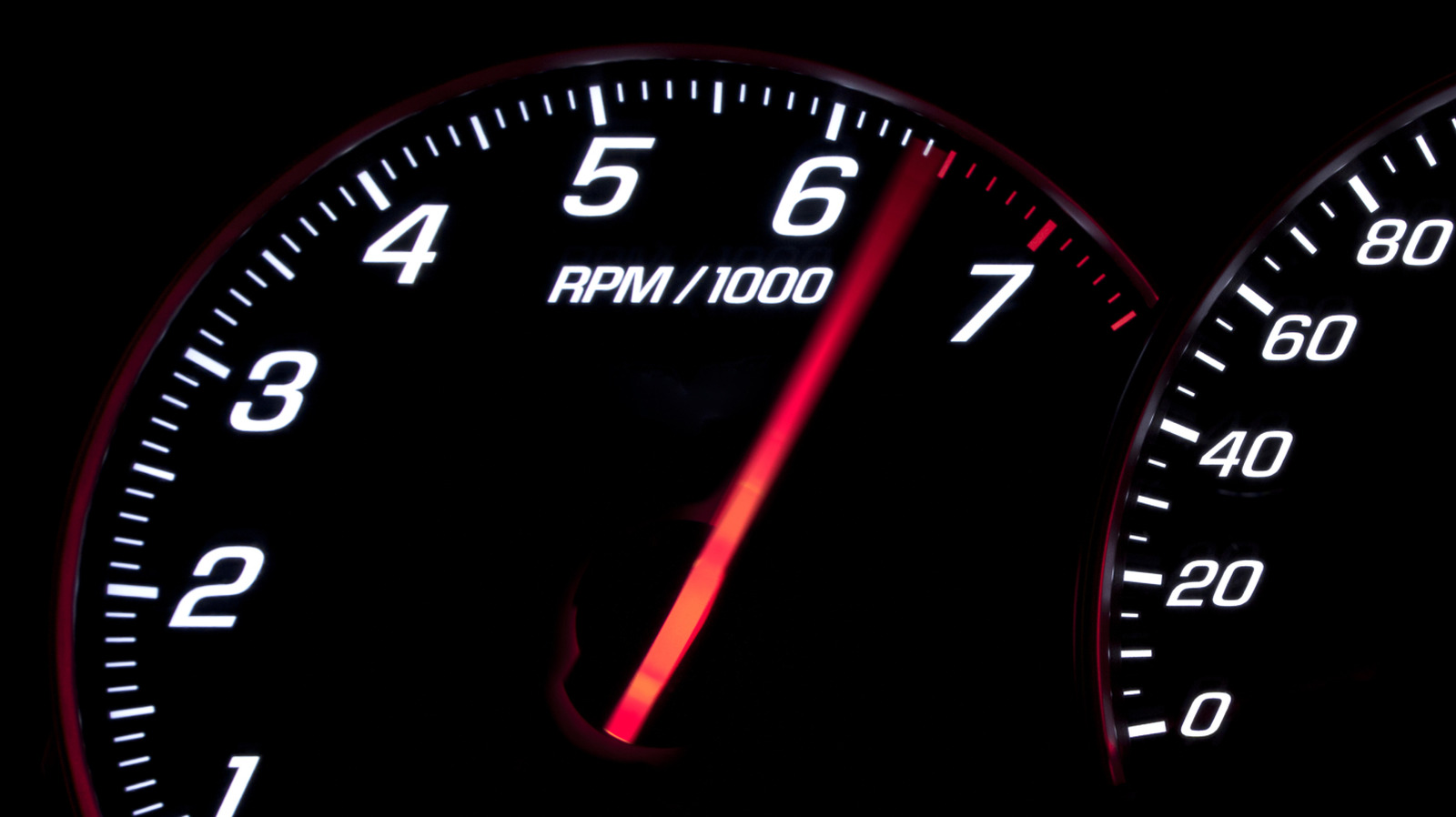
Start with the real danger, which isn’t the redline. It’s what lies past it.
Overspeed an engine and you invite valve float, where the valves fail to close in time and meet the pistons on their way up. The internal forces and a lack of lubrication can also wreck connecting rods and crankshaft bearings.
Modern rev limiters handle most of that on the way up through the gears. They can’t save you from a clumsy downshift.
Drop a gear too early and the wheels spin the engine past its limit, electronics or not. A full rebuild runs into the thousands.
The second real danger is impatience. According to one study, engine oil takes almost twice as long as the coolant to reach operating temperature. Your temperature gauge can read normal while the oil is still too cold to protect anything at high rpm.
Warm oil changes the picture. On a healthy engine with sensible mileage and fresh lubricant, occasional trips to the redline are fine.
They aren’t free, though. Higher revs bring more heat and stress, and parts wear faster than they would under gentle driving.
Ford’s guidance is plain: don’t sit near the redline for miles on end. Short bursts are one thing, and sustained abuse is another.
For a sense of what real engine punishment looks like, consider the Top Fuel dragster. Those engines get torn down after every 1,000-foot run. Your hatchback is not living that life.
Then there’s the folklore. The “Italian tune-up” supposedly came from Italian mechanics in the second half of the last century. A sluggish, underused car got a hard thrash down the road, the engine ran hot, and the deposits fouling the plugs, valves, and combustion chambers burned off.
It’s a good story. Jason Fenske of Engineering Explained went through the research and found it’s partly true, in the narrowest sense. Get an engine hot enough under sustained load and carbon does burn off the pistons and exhaust valves.
The catch is that road driving rarely keeps an engine near the redline long enough to build that heat. A few seconds of fun in second gear doesn’t count.
Intake valves are a bigger problem. They run cooler than exhaust valves, so whatever gunk has baked onto them is likely to stay put no matter how hard you drive.
For owners of direct-injected engines, the myth can backfire. Fenske warns that driving those engines harder could leave them with more carbon, not less. That covers a large share of the cars sold today, and they’re the same engines most prone to intake valve buildup in the first place.
So the old mechanic’s cure doesn’t cure much. The old fear doesn’t hold up either.
What’s left is simple. Warm the oil, mind your downshifts, and keep your time at the limit short. The redline will still be there at the next on-ramp.





Share this Story