
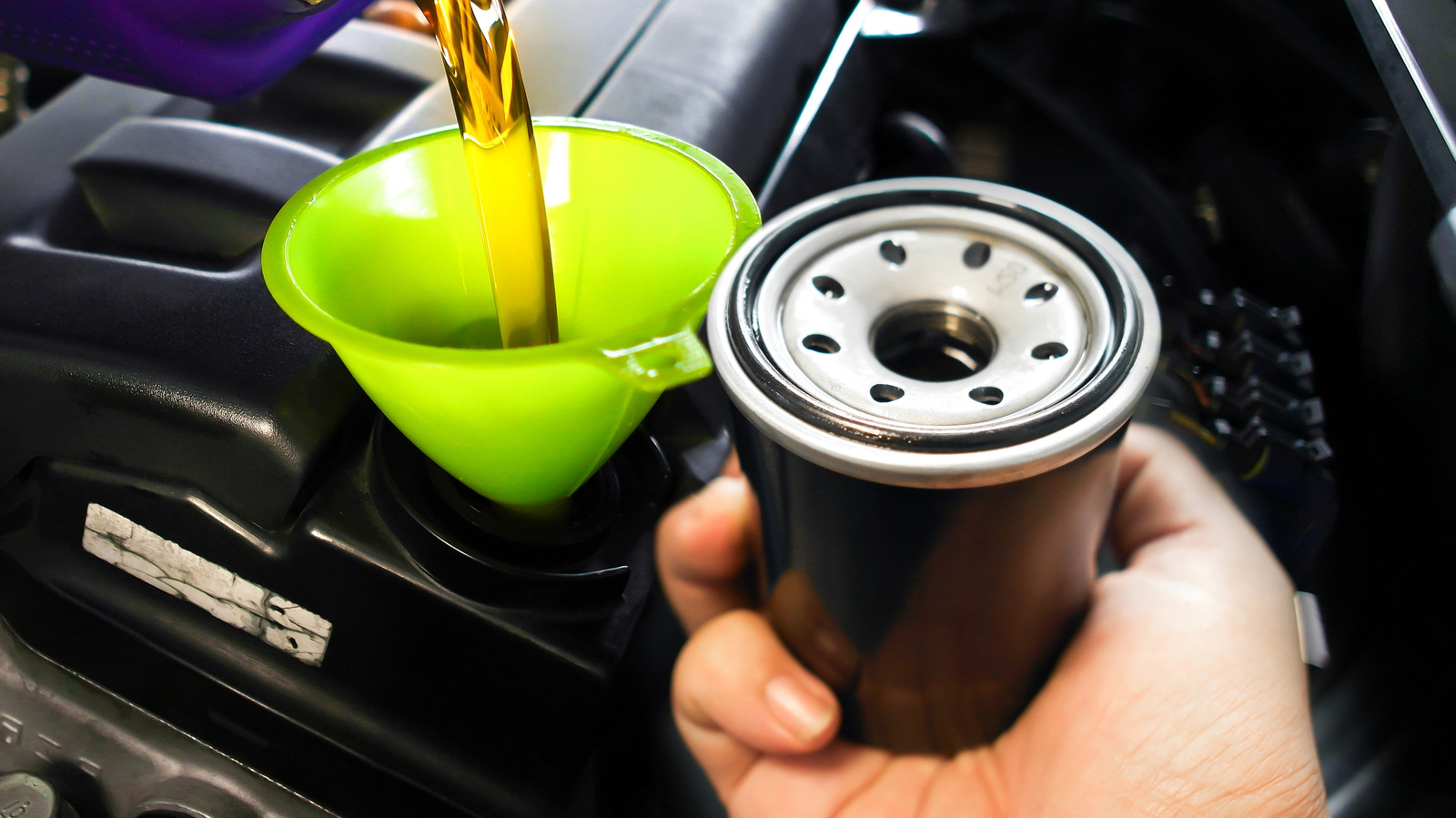


Four seconds. That is how long one engine waited for proper oil pressure after a fresh, dry filter went on and the key turned. With a pre-filled filter, the same engine got there in under one.
That gap came from a popular YouTube channel that ran the comparison head to head. On paper, it reads like a verdict. Three extra seconds without full pressure sounds like exactly the kind of thing that chews up bearings over a lifetime of oil changes.
Then another YouTuber went looking for the damage.
Freedom Worx ran a larger test: 25 oil changes with pre-filled filters, 25 with dry ones. He wasn’t watching a pressure gauge. He was measuring bearing wear material, the metal an engine actually gives up when lubrication falls short.
The dry filters produced no more of it than the pre-filled ones.
So one test shows a delay, and the other shows the delay didn’t leave a mark. Both can be true at once. That is why this garage argument refuses to die.
The explanation is simpler than the forum threads suggest. Draining the sump doesn’t strip an engine bare. A film of oil clings to the internals after the old stuff drains out, and it is still there when the engine fires on a new filter.
Low pressure for a few seconds is not the same as no oil. The bearings aren’t running dry. They’re running on what’s left while the pump catches up.
None of that makes the pressure data meaningless. The delay is real and measurable. What the wear test challenges is the jump from “slower to build pressure” to “harder on the engine,” and that jump is where most of the conviction on this topic has always lived.
The practical answer comes down to where your filter sits.
If your engine mounts its filter low and upright, pre-filling is easy. Pour, wait for the media to soak, spin it on. It costs a minute and changes nothing about the job.
Filters that hang upside down near the top of the engine are another matter. Pre-fill one of those and most of the oil ends up on the block, the exhaust, or your forearm. Sideways-mounted filters aren’t much better.
For those owners, the Freedom Worx numbers are good news. Skipping the step isn’t negligence. It’s the sensible call on a layout that won’t let you do it cleanly.
Pre-filling doesn’t hurt, and nobody in either test found a downside beyond the mess. The open question is whether it helps. The best evidence so far suggests any benefit is too small to show up in bearing wear across 25 changes.
Fifty oil changes on YouTube are not a long-term durability study. Neither test tracked an engine to 200,000 miles, and neither one claimed to.
So the DIY crowd keeps doing what it has always done. Some pour oil into the canister out of habit. Some never have, and their engines keep running.
The pressure gauge has spoken. The bearings, for now, aren’t saying much back.



Share this Story