
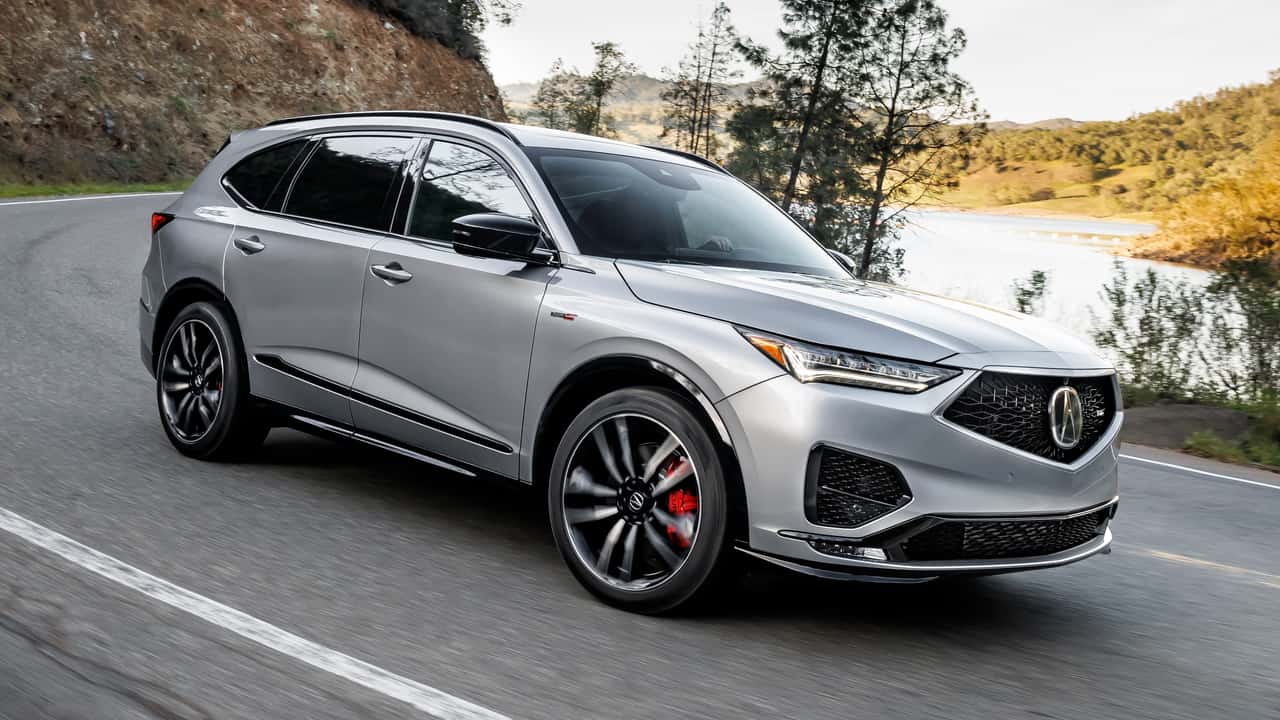


A single line of bad math is enough to take the power steering out of 635,808 Honda and Acura vehicles.
The culprit is a floating-point division by zero. It lives inside software meant to help the Driver Attention Monitor account for road conditions, a feature built to watch the driver, not steer the car.
Under certain operating conditions, that calculation tries to divide by zero and throws an internal error. The electric power steering system was set up to answer that error in the bluntest way possible: shut off assistance entirely.
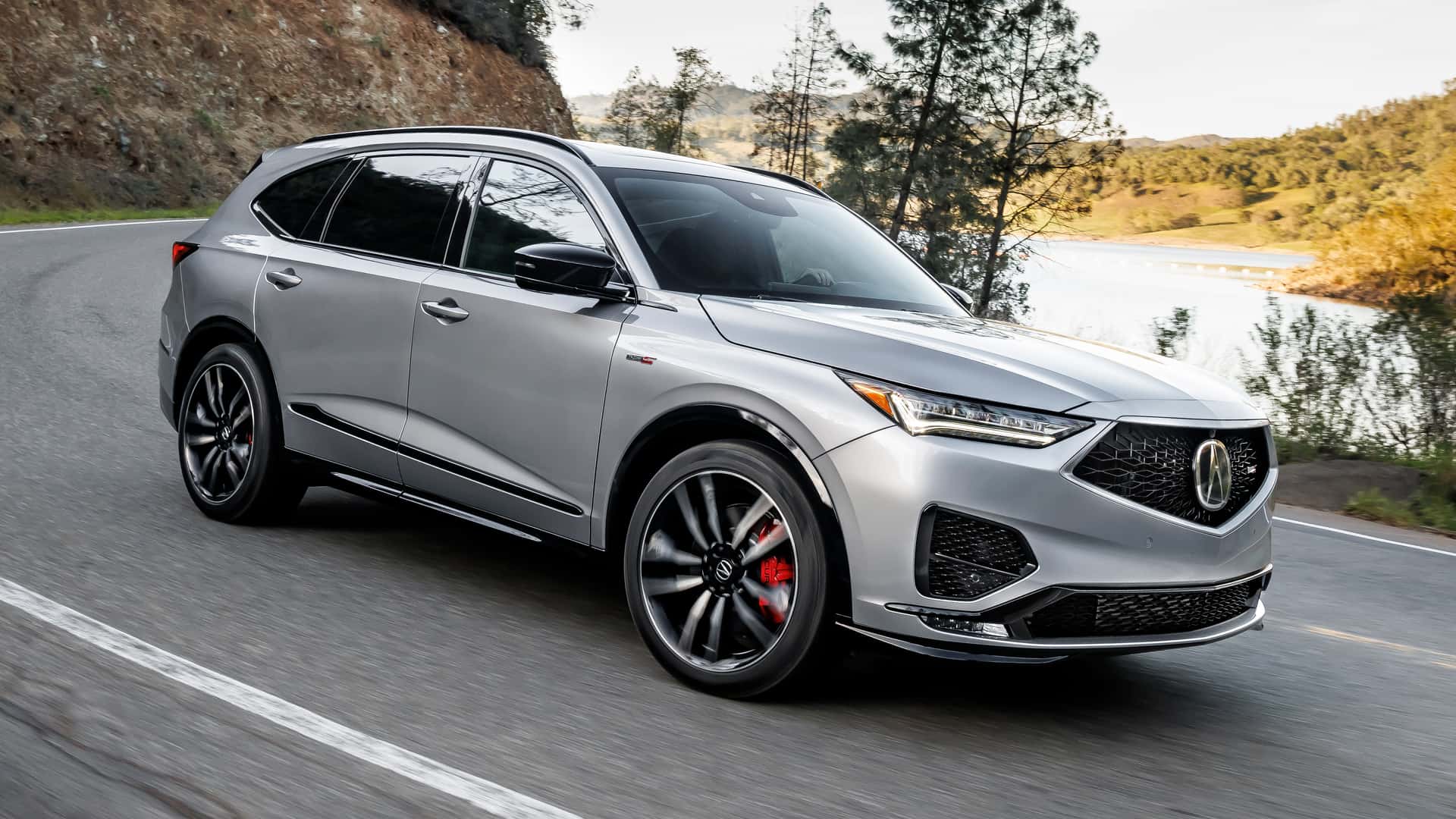
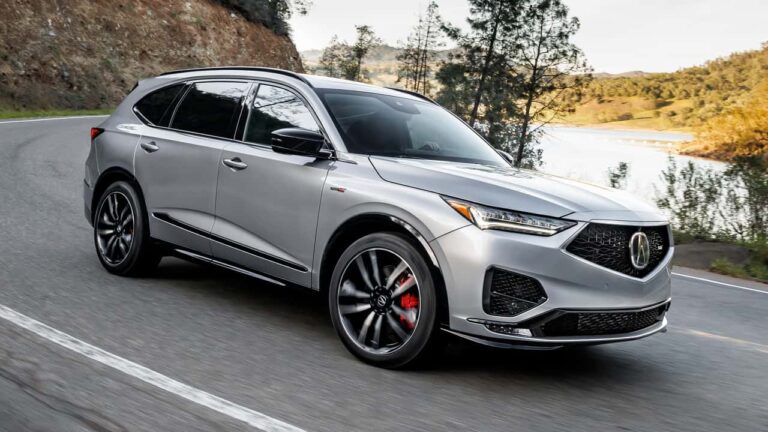
Honda filed the defect with the National Highway Traffic Safety Administration on October 29 under recall number 26V721000. The campaign covers certain 2021 through 2025 Acura TLX sedans, 2022 through 2024 Acura MDX SUVs, and 2023 through 2025 Honda Pilots.
The 2025 Pilot carries the heaviest load. At 240,830 units, it makes up nearly 38 percent of the total.
Honda blames a supplier. According to its recall report, the outside vendor wrote the faulty EPS software, error and all.
That covers who wrote the code. It doesn’t explain how a glitch in a monitoring feature was allowed to switch off a core driving system across three nameplates and five model years.
The spread of affected models says a lot. A sport sedan, a luxury three-row and a mainstream family hauler share almost nothing in mission or buyer, yet they share this flaw, which points straight at common steering software rather than any one platform.
Nobody loses the steering wheel outright. The mechanical connection stays intact, and the car still turns.
But it turns the way cars did before electric assist, which means it takes real muscle. The effort spikes at low speeds, in parking lots and tight garages, exactly where a three-row SUV already feels its size.
NHTSA warns the sudden loss of assistance could reduce control and raise the risk of a crash or injury. When the system drops into failsafe mode, warning lights come on in the instrument cluster.
Picture that moment during an emergency swerve. The driver needs a quick correction and the wheel suddenly fights back.
The fix is cheap by recall standards. No steering racks, no hardware swaps, just dealers reprogramming the EPS control unit with corrected software, free of charge whether or not the original warranty still applies.
Dealer notifications were scheduled to begin around October 30. Owner letters aren’t expected in mailboxes until December 14, a gap of roughly six weeks between Honda knowing and many owners hearing about it.
There is no Do Not Drive order attached. Owners who see a steering warning or feel assistance vanish should get the vehicle checked now rather than wait for the letter.
Affected VINs became searchable in NHTSA’s database on November 11.
This isn’t a one-off for the brand. Recent Honda campaigns have covered 880,000 SUVs over wheels that could detach, 440,000 vehicles for faulty airbags and 60,000 SUVs for backup camera problems.
Those were mechanical and component failures, the kind the industry has chased for a century. This one is different: no part broke, nothing wore out, and a feature meant to keep drivers alert ended up disabling the help they rely on to turn.
Honda’s reflash should close this particular hole. How many other safety systems in these cars depend on code that one misbehaving feature can knock offline is a question the recall paperwork doesn’t answer.


Share this Story