
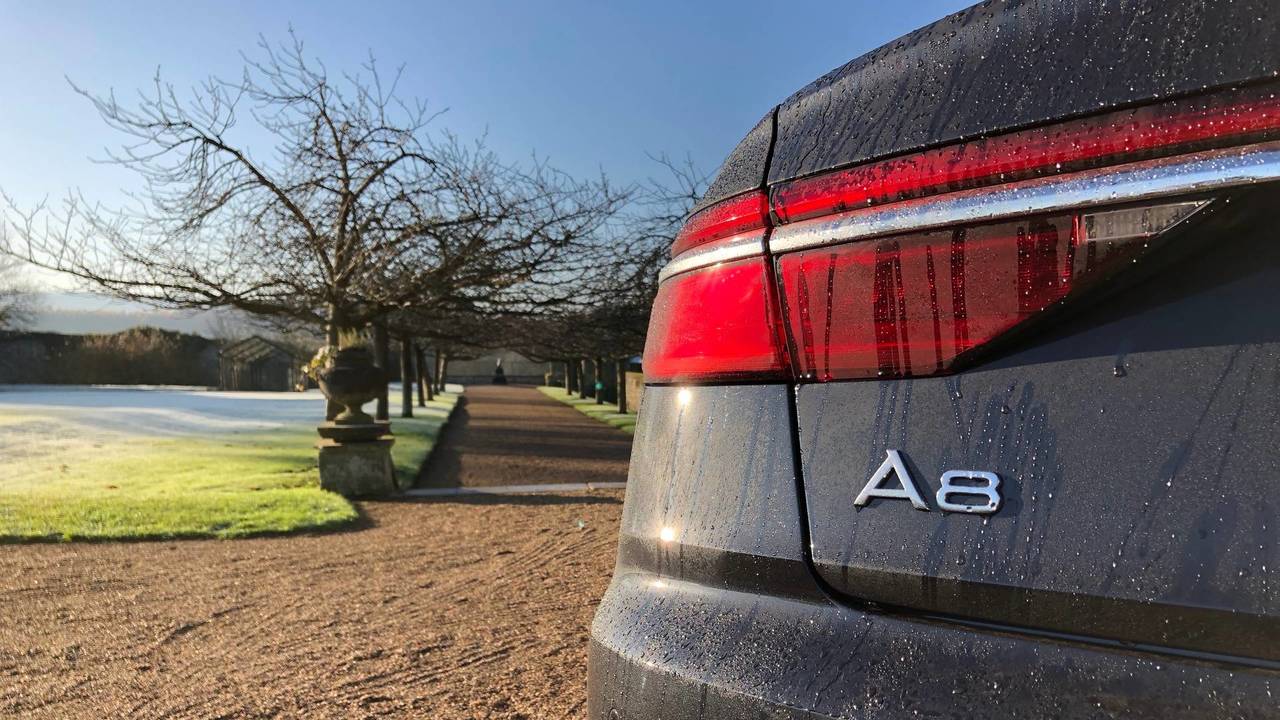


The last Audi A8 rolled off the line at Neckarsulm in mid-October. No replacement is being built there, and the plant’s own future is now in doubt.
According to Auto Motor und Sport, the end of production closes a 32-year run for Audi’s flagship sedan at the German facility. Audi had already stopped taking individual orders in Germany back in February.
Buyers since then have been picking through dealer leftovers. That is how a flagship goes out when nobody wants to make a fuss.
The A8 arrived at Neckarsulm in 1994 as the D2, wrapped in an aluminum Space Frame that gave Audi a real argument against Mercedes and BMW. It was the car that put Ingolstadt at the big table.
Four generations followed. The current D5 launched in 2017, got a facelift in 2021, and has simply run out of road.
Its assembly capacity is going to the A5 Sedan and A5 Avant, plus their S and RS versions. Those are honest, volume-minded cars, but they are not flagships.
The full-size sedan market has been especially hard on the A8. The S-Class and 7 Series are still selling, while the Lexus LS is also headed for the exit.
Audi insists this is a pause, not a burial. Model line spokesperson Marcel Bestle told Motor1 earlier this year that “the decision on an A8 successor has been taken and we intend to present it towards the end of this decade.”
He offered nothing on powertrain, platform, or where it will be built. “We are going to communicate further details in due course,” he said.
Bestle also pointed to the car that actually holds the crown now. “The Audi Q9 is going to expand the Audi portfolio at the top as large full-size SUV.”
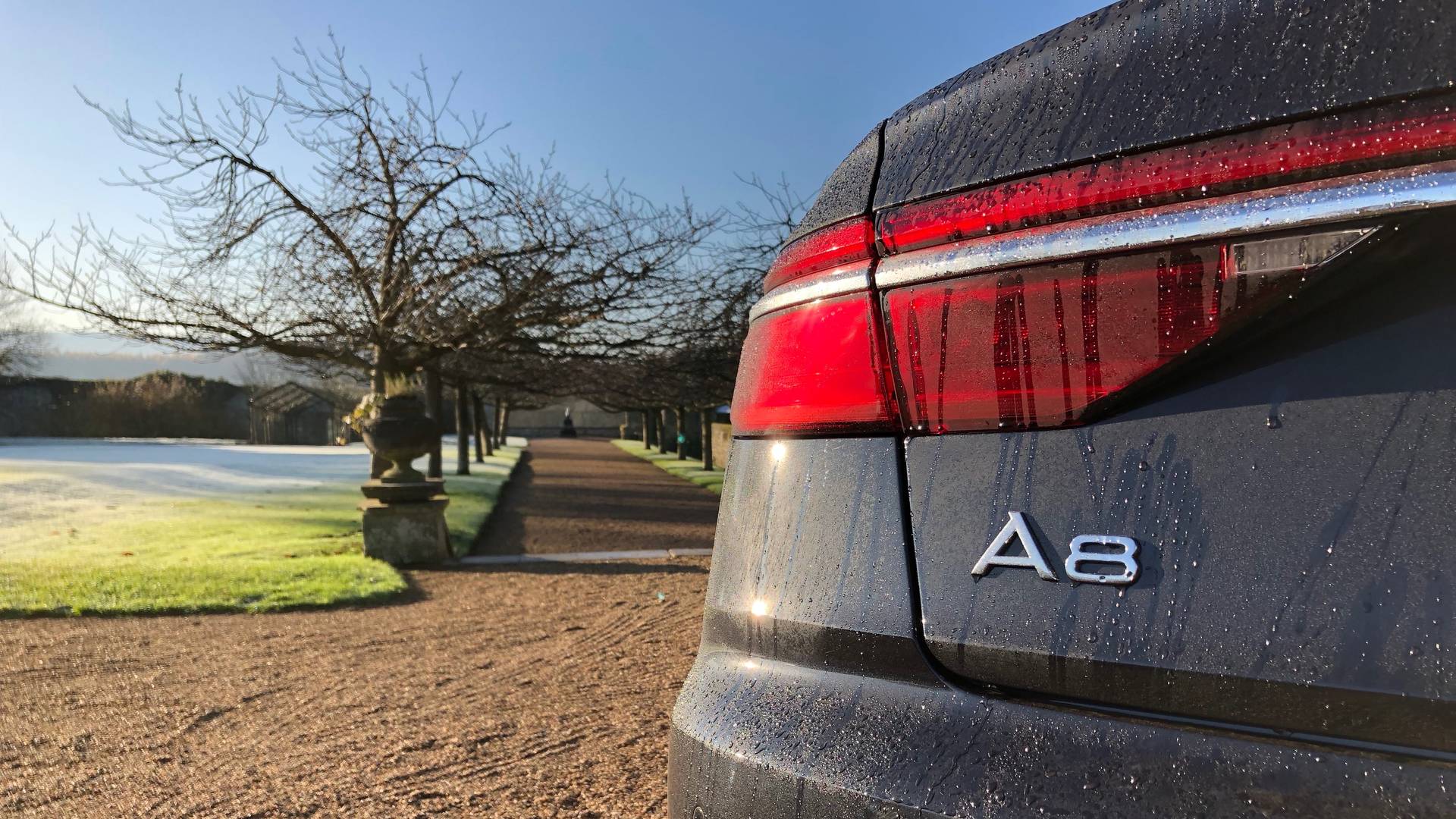
The Q9 sits above the Q7 and gives Audi its first proper three-row, full-size SUV. For years, Mercedes and BMW collected that money with the GLS and X7 while Audi watched.
The Q9 is built in Bratislava, Slovakia. Audi’s top model no longer comes from Neckarsulm, and the plant that built its flagship for three decades is now assembling the middle of the range.
Then there is the paperwork. Volkswagen Group’s Supervisory Board has approved its Future Plan 2030, which states that the group’s European production capacity exceeds demand by more than 500,000 vehicles.
The same plan admits VW cannot currently secure competitive production allocations for four German sites between 2031 and 2034. Neckarsulm is named alongside Emden, Zwickau, and Hanover.
That is not a closure notice. The group says it will develop a production strategy for its European plants by June 2027 and look at other uses for the affected facilities.
Still, a factory that just lost its flagship, picked up a mid-size sedan, and appears by name on a list of sites without secured work beyond 2030 is not negotiating from strength.
A revived A8 would not fix that math on its own. Full-size luxury sedans do not move the volume that keeps a German plant busy.
Audi’s new design language, previewed by the Concept C and Nuvolari, will reach a sedan first through the electric A4, not the flagship. The A8 waits its turn behind a smaller car.
For now, the badge is dormant and the top spot belongs to an SUV built in Slovakia. Neckarsulm is building A5s while VW decides what it wants the place to be.

Share this Story