


“The biggest thing you’ve got to find is customers.”
That is Scott Nargar, Hyundai Australia’s Senior Manager of Future Mobility and Government Relations, speaking to CarExpert about the company’s hydrogen passenger car program. He opened with a defense: “Hydrogen isn’t dead for passenger vehicles.”
Both statements are true at once, and that is Hyundai’s problem.
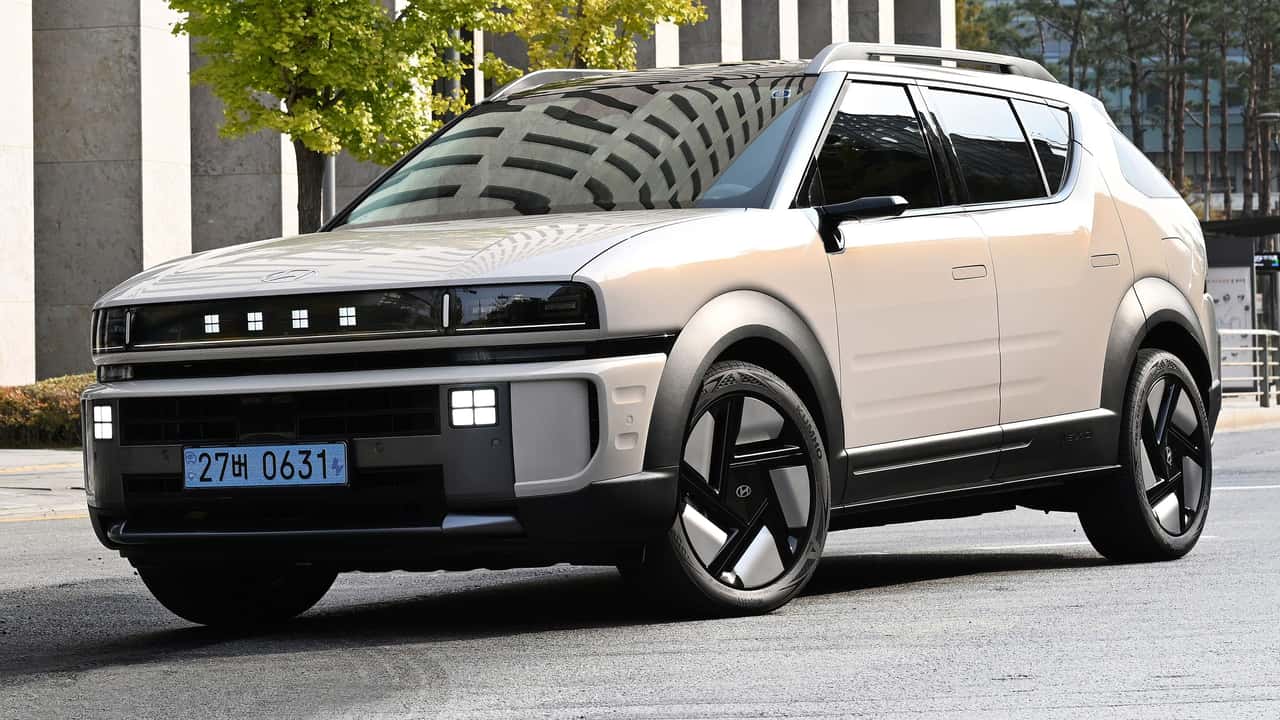
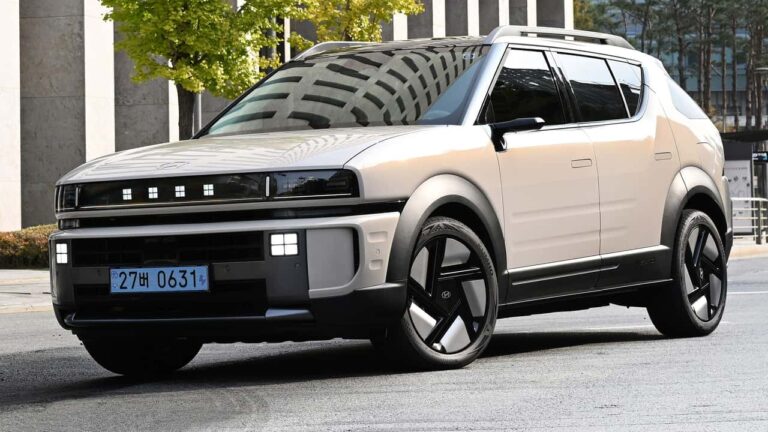
The company is still weighing a next-generation fuel-cell car. It already sells the Nexo, a hydrogen crossover now in its second generation. That model has yet to gain a foothold in most markets.
Nargar didn’t sugarcoat the reasons. Fuel cells cost more than batteries. Even hydrogen trucks carry a steep premium over both diesel and electric rivals.
Then there is the refueling network, or the lack of one. In many markets, owning a hydrogen car ranges from impractical to impossible. An EV owner can plug in at home and use a charging network that grows every month.
Hydrogen drivers need dedicated stations that cost a fortune to build and a fortune to run. So Hyundai has the hardware. What it lacks is people willing to live with it.
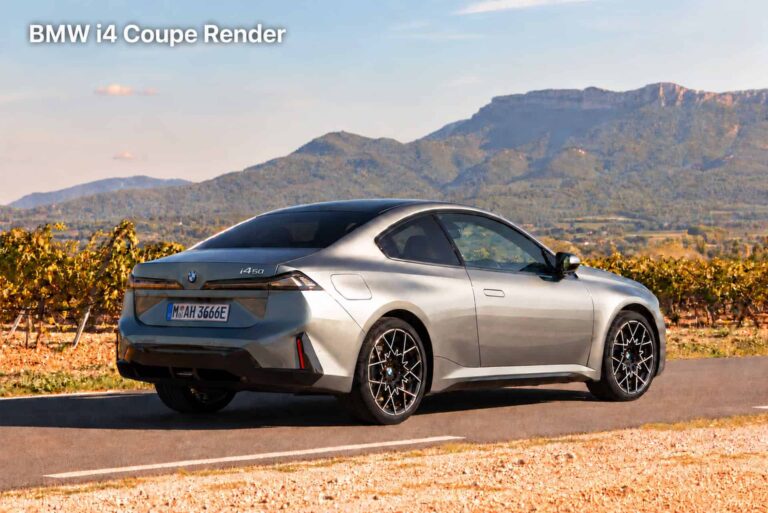
Hyundai isn’t holding the line alone. Toyota has spent years on the Mirai sedan and still spreads its bets across battery-electric, hybrid, plug-in hybrid and hydrogen. BMW plans an iX5 Hydrogen later this decade.
In 2024, Toyota and BMW deepened their partnership to co-develop a third-generation fuel-cell system. The stated goal is lower production costs, which is an admission in itself.
BMW has never pitched hydrogen as a replacement for batteries. It treats fuel cells as one more way to cut emissions, a hedge rather than a crusade. Toyota sees it much the same way.
That leaves three automakers keeping the technology alive while the rest of the industry has walked out of the room.
The list of departures is long. Mercedes ended fuel-cell passenger car development after years of research. Honda stopped building the Clarity Fuel Cell.
Volkswagen cooled on the idea, arguing batteries are the more practical and efficient route to zero-emission cars. General Motors dropped its next-generation fuel-cell system and moved the money to EVs.
Stellantis went furthest. In 2025 it scrapped its hydrogen program outright, canceling planned hydrogen vans and citing thin infrastructure and no viable business case.
These aren’t minor players hedging. They are some of the world’s biggest carmakers concluding that the billions sunk into hydrogen cars won’t come back.
Hyundai’s counterargument is geography. It believes hydrogen can take hold in countries with the sun, wind and land to make it from renewables. Australia, where Nargar works, is exactly the place that pitch was written for.
Even that scenario depends on two things Hyundai can’t deliver alone. The refueling network has to grow, and the technology has to get cheaper. Until both happen, private buyers will keep doing the math and choosing a plug.
Nargar’s own words frame the call Hyundai still has to make. The engineering exists, the Nexo exists, and the next car is under evaluation.
The customers are the part nobody has found yet.

Share this Story