


Used electric vehicles are moving off dealer lots in under 42 days, nearly two weeks faster than their gasoline counterparts. That gap is widening, and the reasons are not subtle.
A study from iSeeCars covering more than 1.5 million vehicles between one and five years old found that in September 2026, used EVs averaged 41.9 days on the market. Gas cars took 54.9 days. Hybrids split the difference at 48.6.
The real twist is that EV prices are climbing, not falling. Used EVs averaged $32,533 last month, up 9.8 percent year over year. Gas cars averaged $31,954, barely budging with less than half a percent growth.
Hybrids remained the most expensive of the three at $34,476, rising 4.9 percent. So buyers are paying more for used EVs and grabbing them faster. That flips the script from two years ago, when steep depreciation and range anxiety kept EV resale values in freefall.
The most obvious factor is fuel costs. Gas prices have continued climbing across the United States, and used-car shoppers tend to be more price-sensitive at the pump than new-car buyers. An EV that costs $500 more up front but eliminates a $200-per-month gas bill is a straightforward calculation.
EV prices started their upward climb in April 2026 and peaked in August, suggesting sustained demand rather than a seasonal blip. Compared with September 2025, used EVs sold 10.1 percent faster, while gas cars took 19.9 percent longer to move. The trends are running in opposite directions.
The individual model data tells a more layered story. The two fastest-selling used cars overall were not electric. The Lexus IS500, discontinued after 2025, topped the list, followed by the Audi A4 Allroad, both gasoline vehicles with cult followings and shrinking supply.
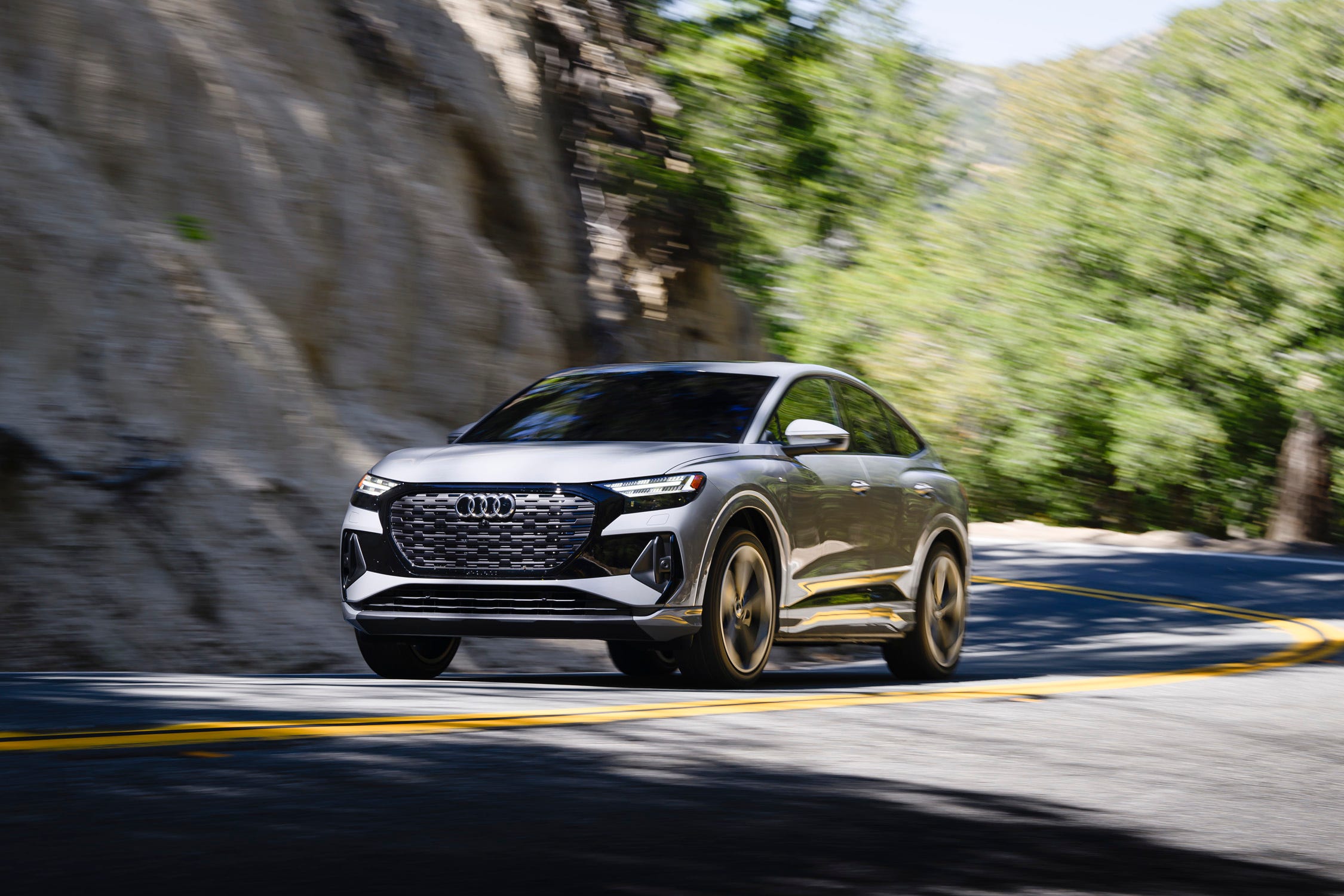
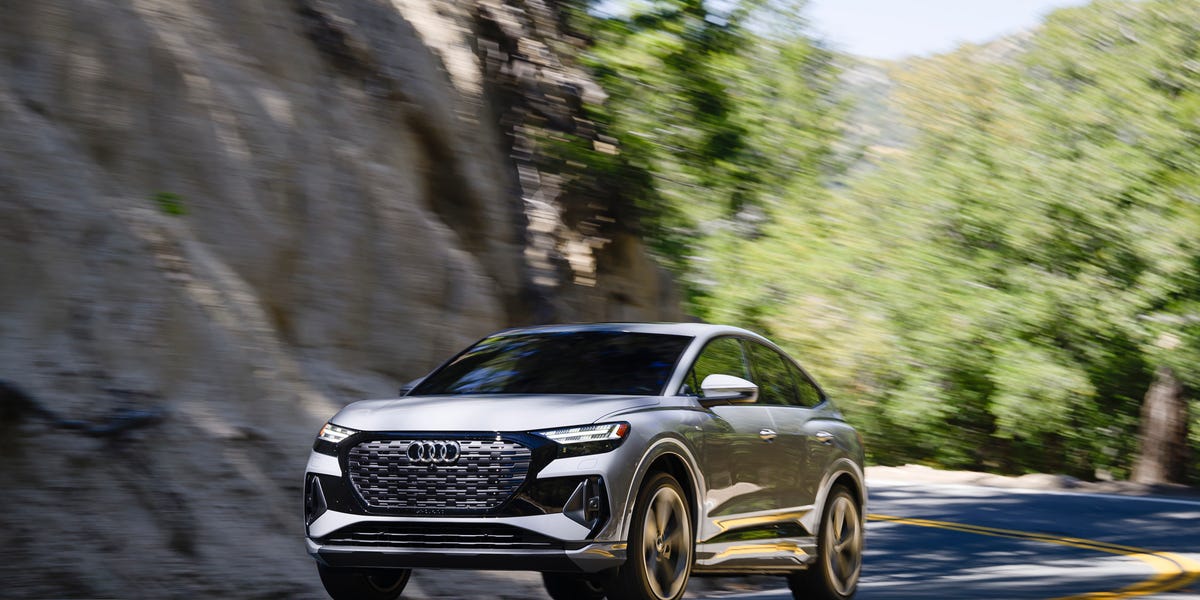
The first EV on the fastest-selling list was the Audi Q4 e-tron Sportback in third place, averaging just 29.8 days on the market. The Toyota bZ4X and Lexus RZ 300e followed close behind. Both were written off by critics at launch but have apparently found a grateful second audience among used-car buyers more interested in value than bleeding-edge specs.
Tesla’s numbers deserve a separate look. None of the brand’s models cracked the top 10 for speed of sale, but they posted some of the largest price increases. The Model S averaged $10,636 more than a year ago, while the Model X gained $9,336 and the Model 3 rose $3,870.
Tesla’s used prices are climbing sharply even as the vehicles themselves take longer to sell than competitors. That pattern points to constrained supply rather than surging demand for those specific models.
Luxury brands in general are performing well in the used market, regardless of powertrain. When shoppers are not looking at EVs, they are gravitating toward premium badges over mainstream ones. New-car prices have pushed buyers who once would have bought a new Camry into a lightly used BMW or Lexus instead.
The broader trajectory is clear enough. The used EV market has crossed a threshold where electric vehicles are no longer the hard sell they once were. Depreciation curves have stabilized, buyer anxiety has faded, and operating costs have become the deciding factor for a growing slice of the market.
Whether that momentum holds through 2027 depends on variables nobody fully controls, from electricity rates to tariff policy to whatever happens next with gas prices.


Share this Story