
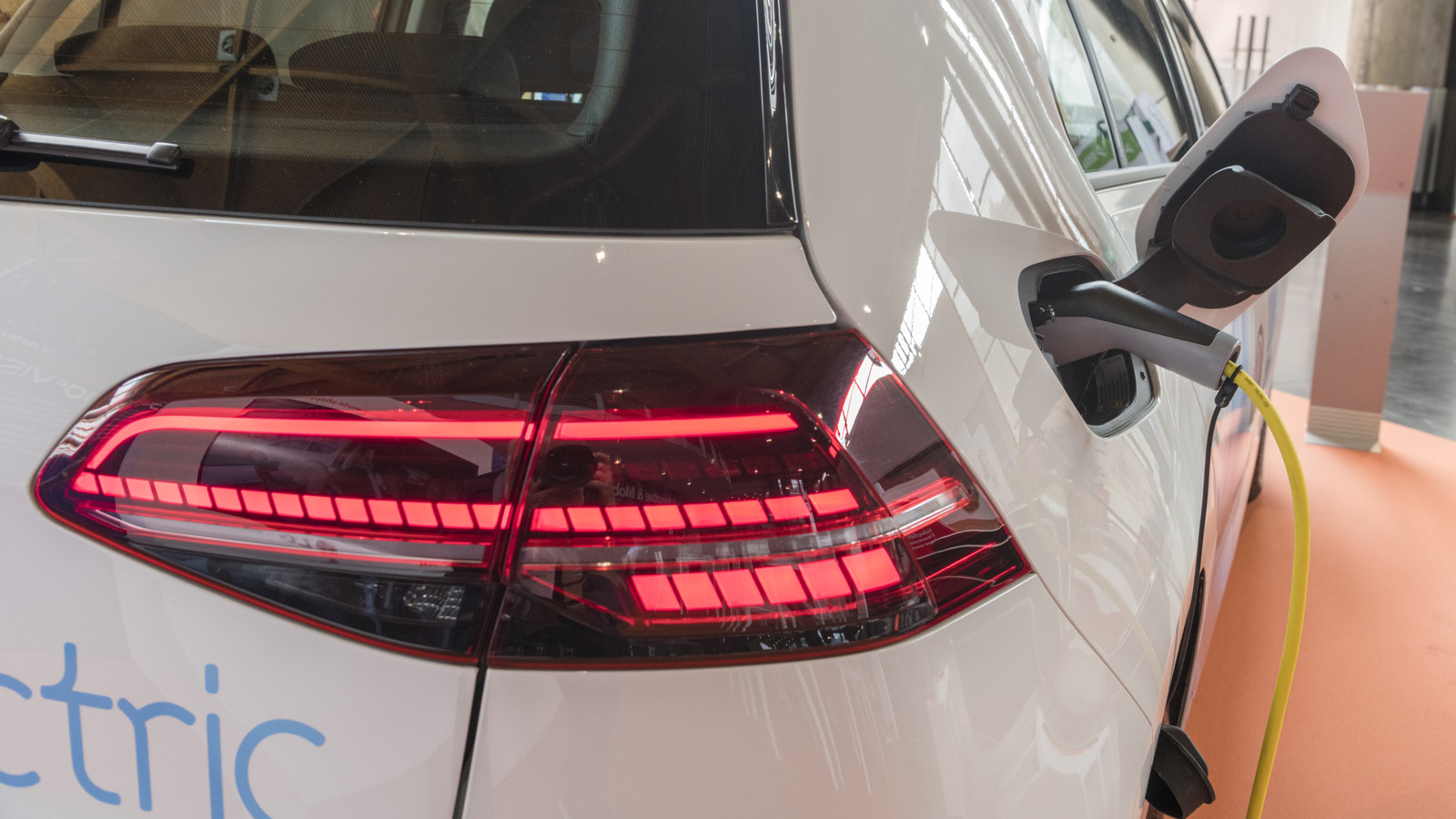


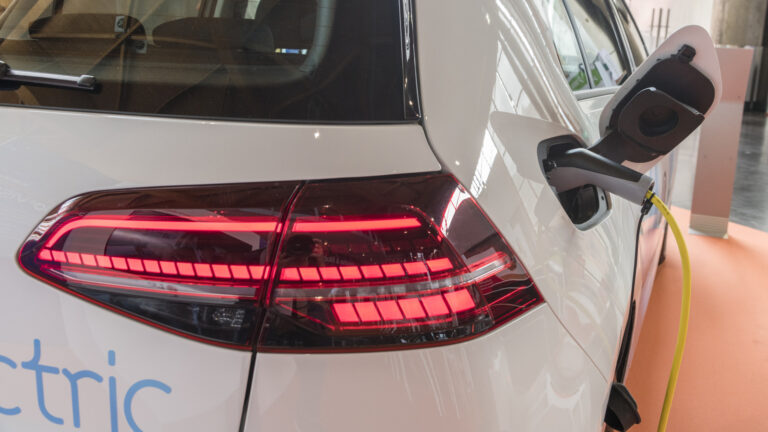
Volkswagen has pulled the plug, at least temporarily, on the one nameplate that was supposed to anchor its electric future. The ninth-generation Golf, fully battery-powered and built on the long-promised SSP platform, has been paused indefinitely. CFO David Powels confirmed the freeze during the company’s January-through-September 2026 financial results, calling it a matter of “sharpening priorities.”
Translation: Wolfsburg can’t afford it right now.
The electric Golf was originally slated for a 2028 launch. Software problems and the chaotic rollout of the SSP architecture had already pushed that timeline back. Now, with no new target date, the car drifts into the 2030s.
That is a brutal admission from the company that built the most successful European car of all time and staked its corporate identity on electrification barely five years ago.
The numbers behind the decision are grim. Net cash flow for the first three quarters of 2026 collapsed by 67 percent to just €1.434 billion. Operating profit fell 8.3 percent while revenue slipped half a percent.
The VW passenger car brand specifically took it worse, with operating results down 45 percent and margins nearly halved. This is a company bleeding from multiple wounds.
Powels tried to frame the EV business as a bright spot, noting a “significant upturn in demand” for current models. But he admitted in the same breath that electric vehicles still can’t match the margins of combustion cars. Every BEV sale VW makes right now costs the company relative profit.
Scaling up electrification under those conditions is like running uphill in sand.
So the eighth-generation Golf, introduced in late 2019 and refreshed in 2024, will soldier on well past its intended shelf life. The same goes for the ID.3, which debuted the same year and got a facelift rebrand as the ID.3 Neo in 2026. Both cars sit on aging architectures, MQB Evo and MEB respectively, that were never meant to carry the brand this deep into the decade.
Expect more cosmetic updates and tech tweaks to keep them competitive against fresher rivals from BYD, Stellantis, and Renault.
The electric Golf isn’t the only casualty. VW Group plans to cut its model lineup in half. The workforce reduction now totals roughly 100,000 positions eliminated since 2024, with another 50,000 on the chopping block.
This is no longer restructuring. It is contraction.
The irony is thick. Europe’s Car of the Year shortlist this cycle was an all-EV affair, a sign that the market is moving. VW helped create that momentum with billions in investment and bold public commitments.
Now it is stepping back from the very segment it helped legitimize, not because demand isn’t there but because the math doesn’t work.
Rivian still figures into VW’s software plans for the eventual SSP platform, a partnership that was supposed to accelerate things. Instead, the collaboration now underpins a car with no launch date, serving a company whose financial footing erodes quarter by quarter.
The Golf has been reinvented eight times across five decades. Each generation reflected where Volkswagen stood as a company: confident, competitive, relevant. The fact that number nine can’t even get off the drawing board tells you everything about where Volkswagen stands today.
Share this Story