
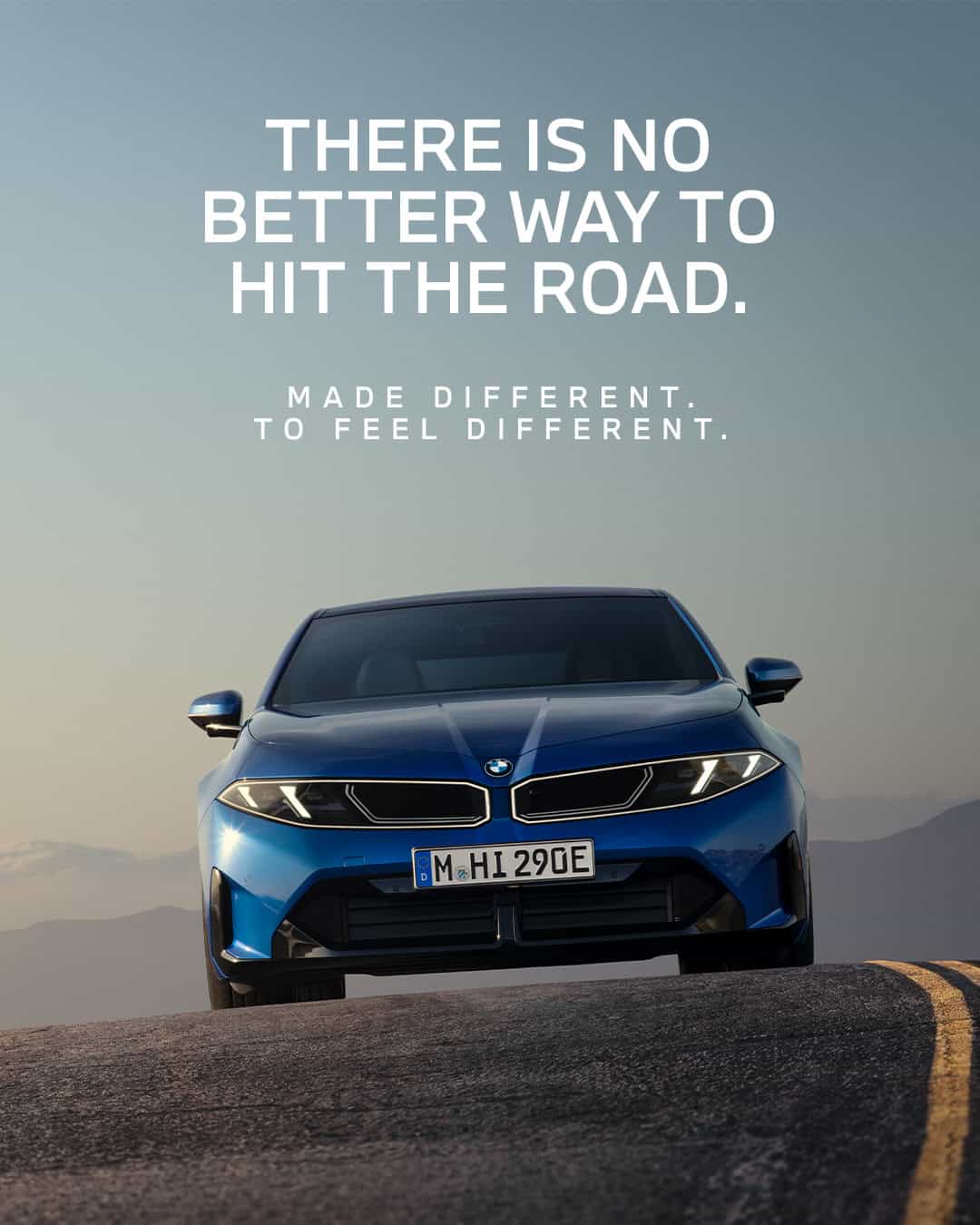


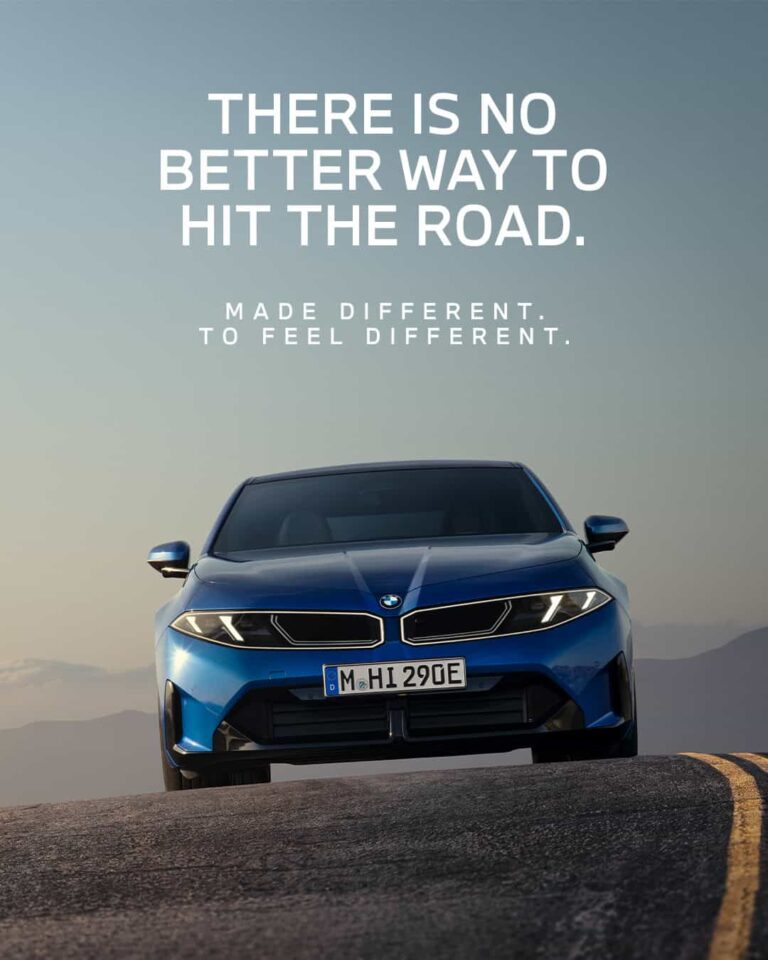
BMW just launched a global campaign called “Made Different. To Feel Different.” and used it to take a swipe at automakers who stuff their dashboards with screens. At the 52-second mark of the hero film, the message is unmistakable: bigger displays and more technology don’t make a better driving experience.
Someone in Munich’s marketing department apparently never sat in the back of a 7 Series.
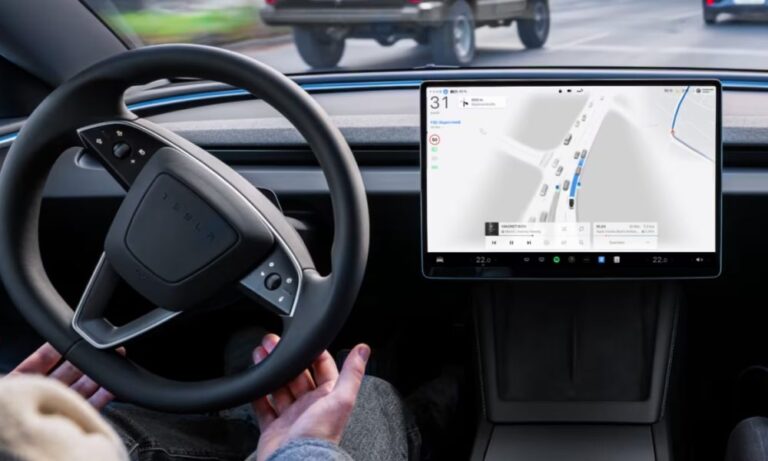
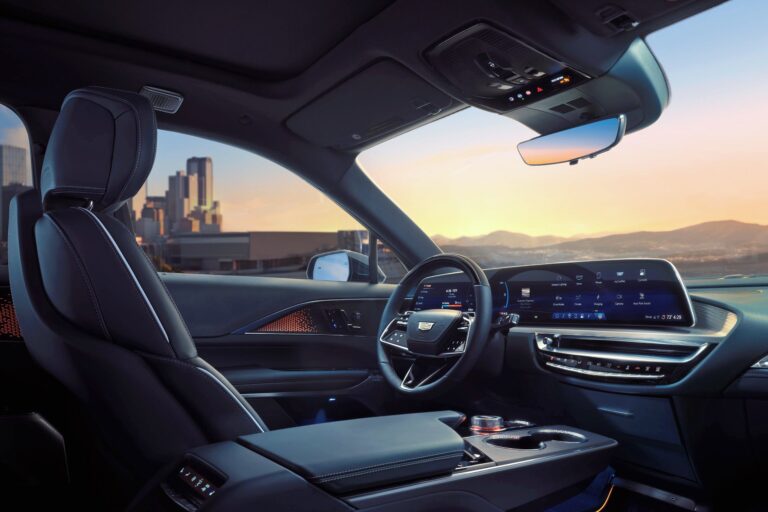
The facelifted 7 Series carries a 17.9-inch central touchscreen, a 14.6-inch passenger display, a pillar-to-pillar windshield projection system, a 31.3-inch Theatre Screen for rear occupants, and 5.5-inch screens embedded in the rear door panels. That is not restraint. That is a consumer electronics trade show on wheels.
The 120-second film rolled out globally this week, leaning on humor and self-confidence to explain what separates a BMW from the rest of the pack. A series of shorter follow-up videos drills into specifics: driving dynamics, design heritage, engineering rigor, customer service. The production quality is high, the conviction is real, and the contradiction is louder than both.
BMW wants credit for its engineering depth, and the numbers back the ambition. Each model racks up roughly 100,000 kilometers at the Nürburgring Nordschleife. The company’s driving simulation center processes 1.2 million calculations per second across 36 million data points.
Vehicles endure extreme temperature testing in more than 30 countries, piling up over 1.8 million kilometers of real-world validation. Since 2005, nearly 10,000 crash tests have been conducted. BMW builds cars with a seriousness that few competitors match on the engineering side.
The design portion of the campaign leans on history. The kidney grille dates to 1933. The Hofmeister kink showed up in 1961.
Both survive in the Neue Klasse lineup, though in a more minimalist form that signals a real generational shift for the brand. BMW is betting that stripping things back, at least on the exterior, will keep the lineage intact while attracting buyers who’ve grown tired of visual excess.
Inside the car, though, the story gets muddier. The Neue Klasse architecture introduces Panoramic Vision, a head-up display stretched across the windshield’s base, plus a new computing platform and the Heart of Joy control unit that ties acceleration, braking, and steering into one system. The tech stack is dense, and it is not the work of a company running away from screens.
On the ownership side, BMW cites a network of more than 120,000 service experts across roughly 4,000 locations, with 55 logistics centers shipping 1.4 million parts daily. Its Proactive Care system promises contact within two minutes when a vehicle flags an issue. The company claims 30 percent of problems can be handled remotely through the My BMW app.
All of it, the testing, the heritage, the service infrastructure, adds up to a legitimate case for differentiation. BMW has the receipts.
But a brand campaign lives or dies on coherence. You cannot mock screen-obsessed interiors while selling a sedan with six displays and a windshield projection system. The audience notices, and enthusiasts especially notice.
The Neue Klasse is supposed to represent a reset for BMW, a sharper, cleaner identity that reconnects with the driving-first ethos the brand was built on. Early signs from the exterior design suggest Munich understands the assignment. Whether the interiors and the marketing follow through is the open question hanging over the entire effort.
BMW clearly believes its identity runs deeper than the roundel on the hood. Proving that while chasing every square inch of available screen real estate is going to take more than a two-minute film.

Share this Story