
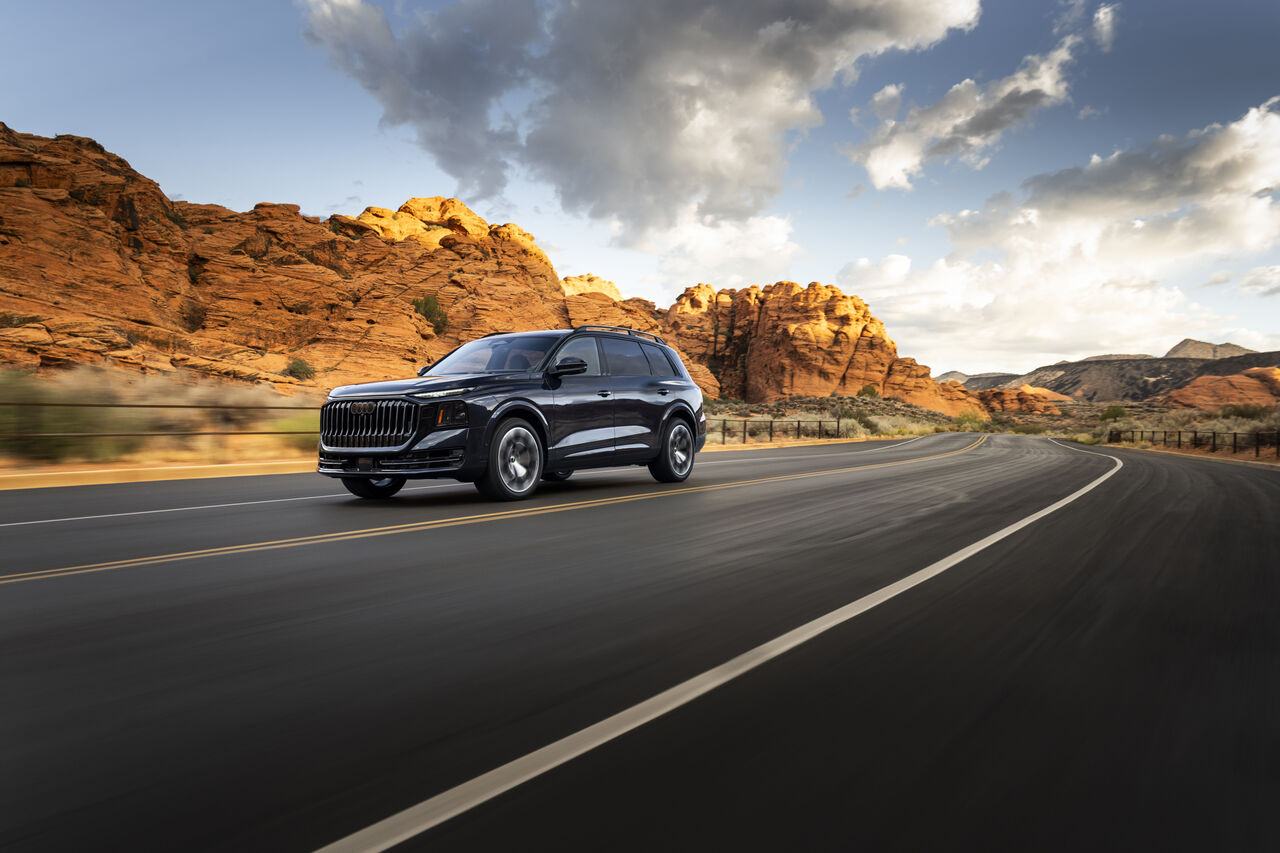


Audi just posted a 2.7 percent operating margin for the first nine months of 2026. That number, down from an already thin 3.2 percent a year ago, tells you everything about the pressure squeezing Ingolstadt from every direction.
Revenue dropped to 42.1 billion euros from 48.4 billion. Operating profit fell to 1.15 billion from 1.55 billion. Profit after tax collapsed by 41 percent to 1.2 billion euros.
The company delivered 1,042,150 vehicles under the Audi brand worldwide, an 11.4 percent decline. These are not rounding errors. This is a company losing altitude fast.
China is the wound that won’t close. Deliveries there plunged 24.5 percent to 328,042 vehicles. The combustion engine market is cratering in China, and Chinese manufacturers are now pushing hard into Europe, Audi’s other critical region.
North America fell 17.3 percent. Only Germany and Europe showed modest growth, each up less than two percent.
CEO Gernot Döllner framed it as transformation. “The economic situation demands that we consistently renew Audi,” he said, pointing to cost cuts, quality improvements, and new products. CFO Jürgen Rittersberger was blunter: “The need for action at Audi is high and brooks no delay.”
The adjusted forecast for full-year 2026 tells you management knows it’s going to get worse before it gets better. Revenue guidance dropped to 55 to 59 billion euros, and the operating margin target sits at 3 to 5 percent. That upper bound would barely match last year’s already disappointing pace.
Audi’s EV story is a contradictory mess. Global battery electric deliveries fell 12 percent to 143,748 units. But drill into the regional numbers and you see wild swings.
Germany’s BEV deliveries soared 39.1 percent. China’s jumped 84.7 percent. North America cratered 87.8 percent. Those North American numbers are devastating for a brand that has pinned future US strategy on local production.
Plug-in hybrids are the bright spot Audi keeps waving around, up 103 percent globally. The RS 5, the brand’s first RS plug-in hybrid, is sold out for 2026 production, with European orders running at nearly double expectations. That’s a real data point, but it also raises questions about whether Audi’s bet on full electrification is happening at the pace the company planned.
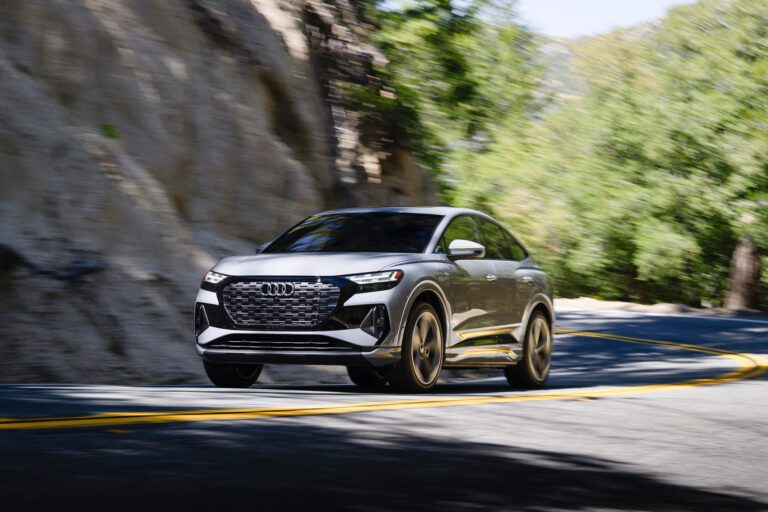
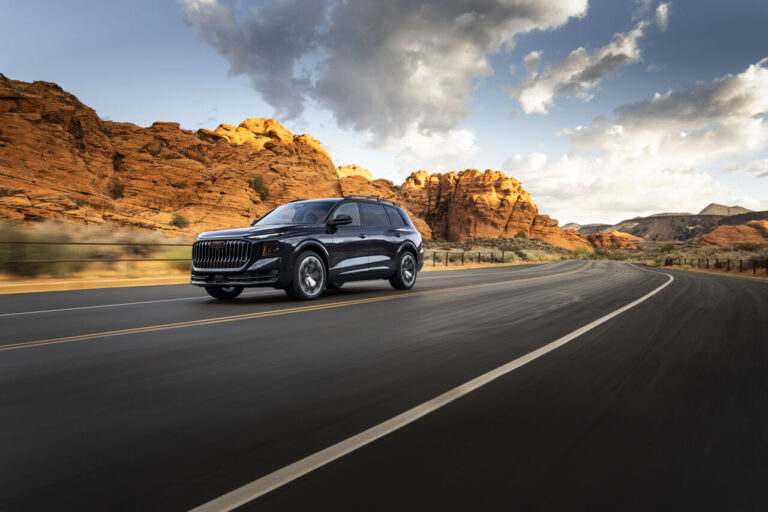
The model pipeline is where Döllner wants your attention. The Q9, a large SUV aimed squarely at the US and European markets, launches in November. The A2 e-tron, a compact electric developed 21 months faster than predecessor models, hits European dealerships in December.
Audi is producing it at Ingolstadt, a deliberate choice designed to keep German factories viable under the labor agreement signed in March 2025.
Bentley and Ducati, both under the Audi Group umbrella, are suffering too. Bentley’s operating margin halved from 6.1 to 3.5 percent. Ducati dropped from 6.0 to 4.4 percent. Only Lamborghini holds above 20 percent margin, though even it slipped from 24.6 to 22.3 percent.
The company talks about reducing complexity and increasing efficiency at all sites. That language, familiar across the German auto industry, usually precedes workforce reductions. Audi said further measures will be developed in dialogue with its works council, a polite way of saying negotiations over job cuts are coming.
Chinese competitors are undercutting Audi on EVs in China and increasingly in Europe. US tariffs are eating into transatlantic margins. The transition from entry-level combustion models like the A1 and Q2 to the electric A2 e-tron has left a revenue gap.
Net cash flow actually rose to 2.4 billion euros from 2.1 billion, one of the few figures moving in the right direction. That cash will need to stretch across an expensive product renewal, a US production buildout, and whatever restructuring Ingolstadt has not yet disclosed.
Share this Story