


Thomas Fuhr, who ran Mercedes-AMG High Performance Powertrains from 2009 to 2012, will take over as CEO of Audi Formula Racing GmbH on November 1. The man who once helped build the engine program that would go on to dominate a decade of Formula 1 is now tasked with getting Audi’s fledgling power unit operation up to speed.
The appointment is a quiet admission that Audi’s F1 project needs more seasoned hands at the top, particularly on the organizational side. Stefan Dreyer, the CTO who has been steering both technical development and broader leadership duties, will now focus exclusively on the power unit itself. That’s the polite way of saying Dreyer was stretched too thin.
Fuhr left the racing world after his Mercedes stint and spent over a decade in industrial leadership roles at GROHE, LIXIL, and Georg Fischer Building Flow Solutions. He ran international engineering and manufacturing organizations, the kind of complex, multi-site operations that look nothing like a Formula 1 factory but demand similar discipline in execution.
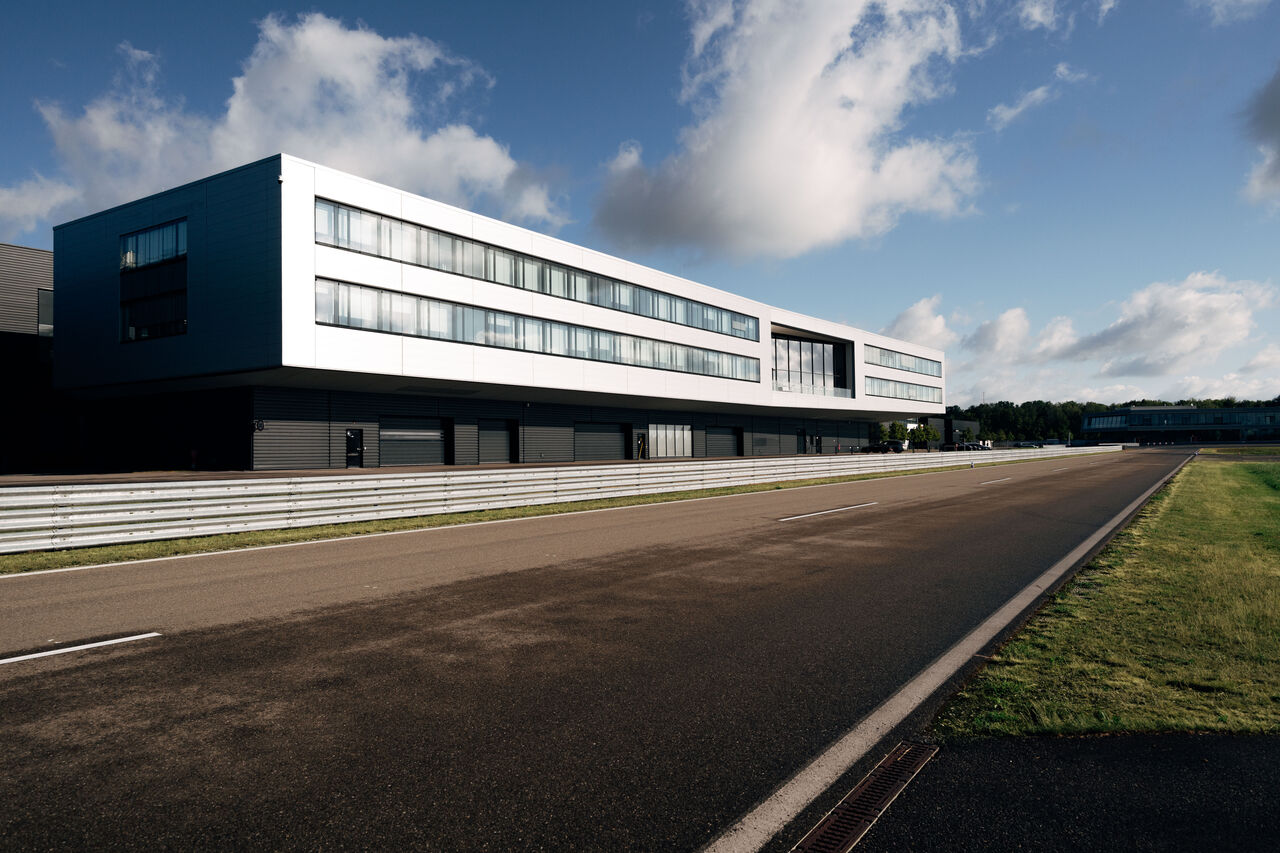
Audi’s Neuburg facility, 16 kilometers from the company’s Ingolstadt headquarters, is the only operational F1 power unit site in Germany. Built out from the bones of Audi Sport’s previous motorsport programs in DTM, Le Mans, Dakar, and Formula E, it now houses more than 20 engine and component test benches across a modernized campus that includes a 3,000-square-meter expansion.
Mattia Binotto, the team principal who arrived from Ferrari carrying his own baggage of unfinished business, said Fuhr “understands both the technical challenge and what it takes to build and lead high-performing teams.” The language around the hire is carefully chosen. Nobody is talking about winning. They are talking about “foundations” and “conditions” and “continued development.”
Jürgen Rittersberger, Audi’s CFO and chairman of the Audi Formula Racing shareholders’ meeting, called the project “a long-term strategic commitment.” That phrase is doing a lot of heavy lifting. It signals patience from the boardroom at a time when the results on track have offered little to celebrate.
Fuhr himself kept his remarks measured. “The team in Neuburg has developed an entirely new power unit and brought it to the track,” he said. “I want to build on that work by bringing together expertise across the organization and creating the conditions for us to compete at the highest level.”
The timeline of Fuhr’s career is worth examining closely. He left Mercedes-AMG HPP in 2012, one year before the company began its run of eight consecutive constructors’ championships under the turbo-hybrid regulations. He built part of the machine but wasn’t there when it started winning. Whether that’s a cautionary tale or proof he knows how to lay groundwork depends on your disposition.
Christian Foyer stays on as COO, maintaining oversight of day-to-day operations in Neuburg. The leadership troika of Fuhr, Dreyer, and Foyer now mirrors the kind of structure most mature F1 power unit operations run. There’s clear separation between organizational leadership, technical direction, and operational execution.
Audi Formula Racing GmbH was founded in 2022 specifically for the F1 project. Four years in, the company is still reshuffling its leadership deck. The power unit regulations remain stable through the next cycle, which means there is runway. But runway without pace is just distance.
Binotto has been here before, building from behind at Ferrari, promising that the structure was right even when the stopwatch said otherwise. Now he has a new CEO in Neuburg who spent a decade outside racing entirely. The bet is that fresh eyes and industrial rigor can accomplish what pure motorsport pedigree has not yet delivered.




Share this Story