
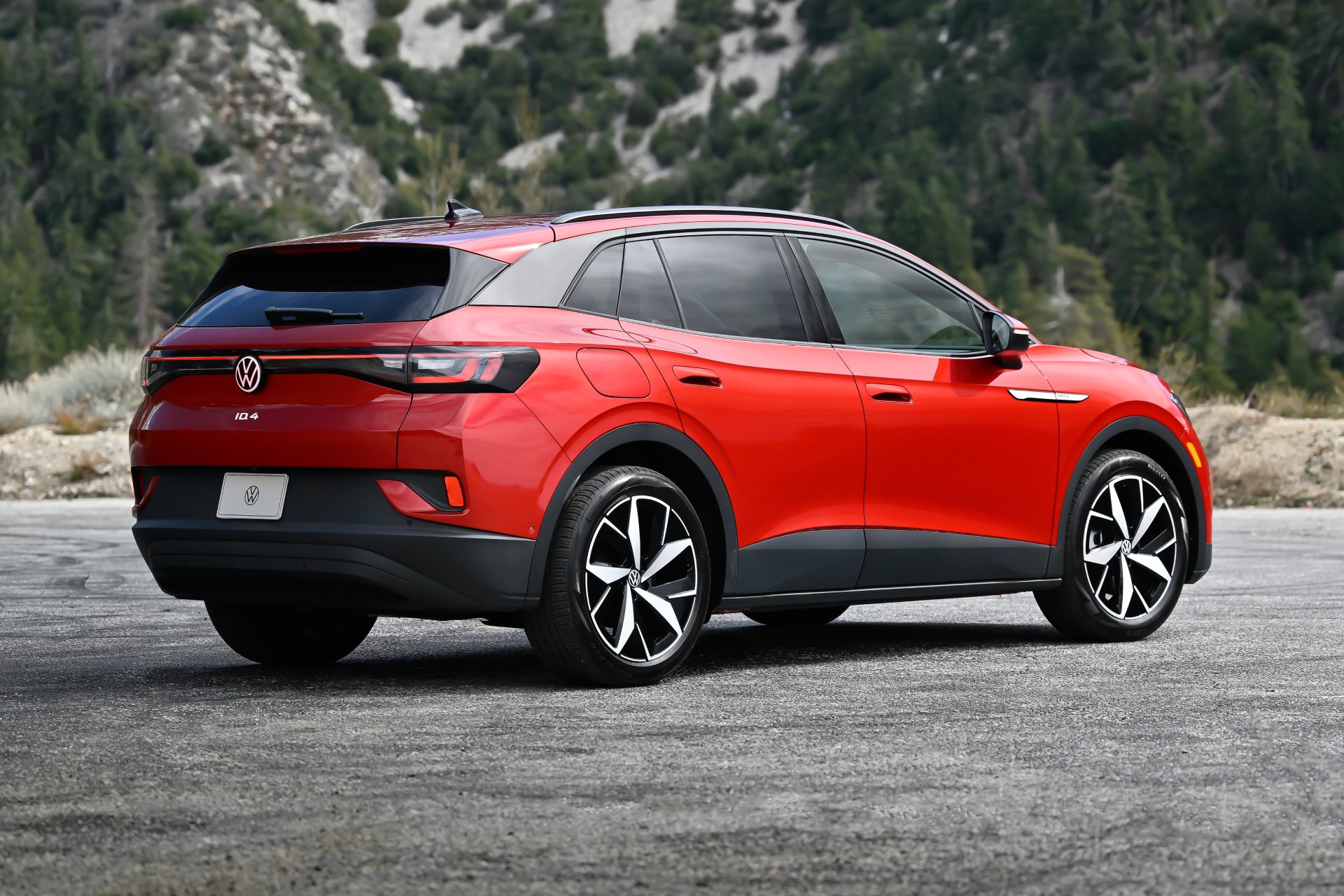


Volkswagen is pushing an over-the-air update to cap charging at 80% on a large swath of ID.4 electric crossovers. The reason: battery fires. The kicker: VW still doesn’t know what’s causing them.
The recall covers 2023 through 2026 model years. In its filing, VW acknowledged that “the root cause is unknown” but said certain charging profiles combined with a state of charge above 80% “may trigger thermal propagation within the high-voltage battery.” Thermal propagation is the clinical term for a battery catching fire.
So VW’s fix, for now, is to simply prevent owners from charging past 80%. The update will land automatically. Owners who want to manage their own charge levels can opt out through the VW app, which is a curious bit of freedom to offer when the whole point is preventing combustion.
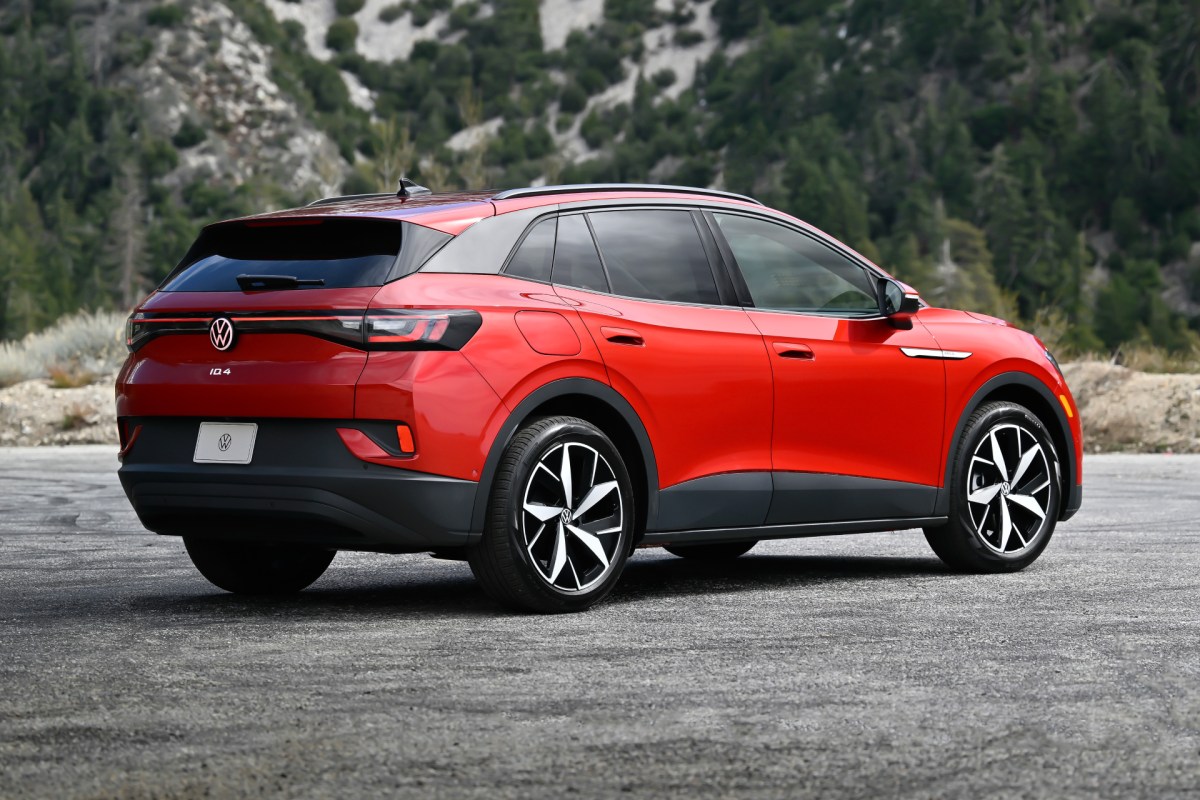
The recall population itself reveals how little VW actually knows. Without a confirmed root cause, the company had to reverse-engineer which vehicles might be at risk by combing through assembly records, battery traceability data, supplier production logs, and available charging histories. Vehicles excluded from the recall either contain battery cells produced “outside the suspect range” or have enough data showing they were consistently charged below the threshold. That’s not forensic certainty. That’s pattern matching with crossed fingers.
VW’s recall notice encourages owners to read their manuals to learn how to adjust charging settings, a polite way of saying RTFM. But the OTA update makes that advice mostly irrelevant since VW is doing it whether you read the manual or not.
This is not VW’s first dance with trust issues around recall remedies. The company’s diesel emissions scandal permanently altered how many consumers view its corporate promises. Telling owners “we’ll remotely limit your car’s capability because we can’t figure out the actual problem” requires a reservoir of goodwill that VW has spent years trying to rebuild.
Capping charge at 80% is not a trivial concession for owners. It directly reduces usable range on every drive. For people who bought the ID.4 specifically for road-trip capability, it turns a feature into a liability. EV buyers already manage range anxiety, and having the automaker itself impose range restrictions doesn’t exactly help the cause.
The real question is how long “interim” lasts. VW has not announced a timeline for identifying the root cause or delivering a permanent fix. An 80% cap works as a stopgap, but every week it persists is a week VW is effectively admitting it sold cars with batteries it doesn’t fully understand.
Other automakers have faced similar battery fire recalls. GM replaced every Bolt EV battery pack. Hyundai did the same for affected Kona Electrics.
Both of those programs cost billions and took years. VW may be hoping a software limit buys enough time to avoid that scale of intervention, but software limits only work until someone opts out and parks in a garage overnight at 100%.
The notifications are rolling out now. If you drive a 2023 or newer ID.4, check your app.

Share this Story