
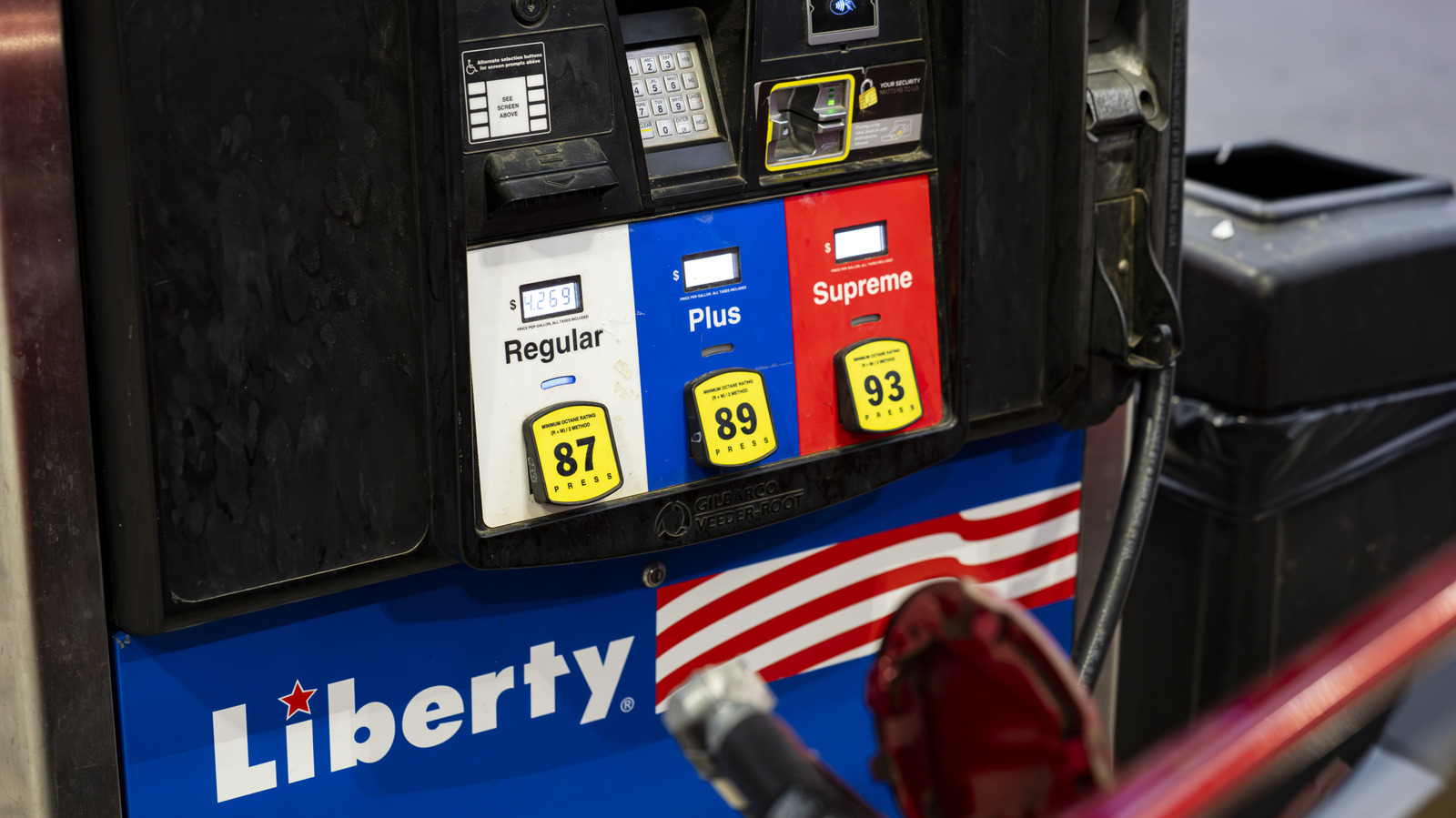


The streak nobody wanted just got longer. The national average price of regular gasoline has now stayed above $4 per gallon for 158 consecutive days, according to AAA, eclipsing the previous record set during the summer of 2022 under the Biden administration.
At $4.33 a gallon, that figure represents a 46% spike from the $2.98 Americans were paying in late February, before U.S. military strikes against Iran reshaped the global energy picture. The promise of sub-$2 gas, repeated often by President Trump, has aged poorly.
The administration does have one thin talking point heading into the midterms. While the duration of elevated prices is unprecedented, the peak has not matched the $5.01 all-time high recorded in June 2022. And last week’s average of $4.37 did tick down slightly. Cold comfort for anyone filling a tank every week.
Brown University’s Watson School of International and Public Affairs estimates the sustained price increase will cost each U.S. household more than $560 over its duration. Newsweek first reported that figure, and it lands squarely in the pocketbook territory that decides elections.
The diesel side of the ledger is far uglier. AAA pegs the national average at $6.30 per gallon, a roughly 72% leap since October 2025. In California, diesel has hit $8.41.
Those numbers ripple outward fast. Trucking companies, farmers, and logistics operators don’t eat those costs quietly. They pass them along through everything from food prices to shipping surcharges.
Last week Trump announced a deal with Russia to release 4.8 million metric tons of diesel, roughly 36 million barrels, onto the market. On paper that sounds substantial. In practice, CNBC reports it covers about 10 days of U.S. domestic demand. It is a gesture, not a solution.
The president had earlier floated expanding access to red-dyed diesel, which is typically reserved for off-road and agricultural use and taxed differently. That plan has not materialized at scale.
For perspective on what $4.33 really means at the pump, consider this: someone driving a fuel-efficient Mazda3 today is spending roughly what a V8 Ford Mustang owner would have spent on gas back in February. That kind of math reshapes buying decisions, commuting habits, and household budgets in ways that linger well beyond any single fill-up.
American drivers have long taken relatively cheap fuel for granted compared with their European counterparts. But the gap is narrowing in spirit if not in exact dollars. In the UK, unleaded now runs the equivalent of $8.79 per U.S. gallon, up from $6.58 in February. Everyone is paying more.
The political dimension is impossible to ignore with midterm elections approaching. Fuel prices have historically served as one of the most visible, visceral economic indicators for voters. They sit on illuminated signs at every intersection. There is no spinning a number people see twice a day on their commute.
Whether the Russia diesel deal yields any measurable relief, or whether tensions in the Middle East continue to pressure crude markets, the 158-day clock keeps ticking. And every day it does, the record gets harder to explain away.






Share this Story