


The Chevrolet Express van has been on sale, virtually unchanged, for thirty years. That fact alone should embarrass every automaker that killed a perfectly good car in the name of progress.
Jalopnik recently asked its readers a deceptively simple question: which cars from 1996 deserve to still be in showrooms today? The answers revealed something deeper than nostalgia. They exposed a growing frustration with an industry that has systematically eliminated simplicity, durability, and driver engagement from the new-car menu.
The second-generation Toyota MR2 drew multiple nominations. A mid-engined, lightweight sports car that offered both naturally aspirated and turbocharged power, available with T-tops, and built with Toyota reliability. One reader imagined it receiving the same modest, continuous updates Mazda has given the Miata over the decades. At around $40,000, it would be a revelation today. Instead, it’s a memory.
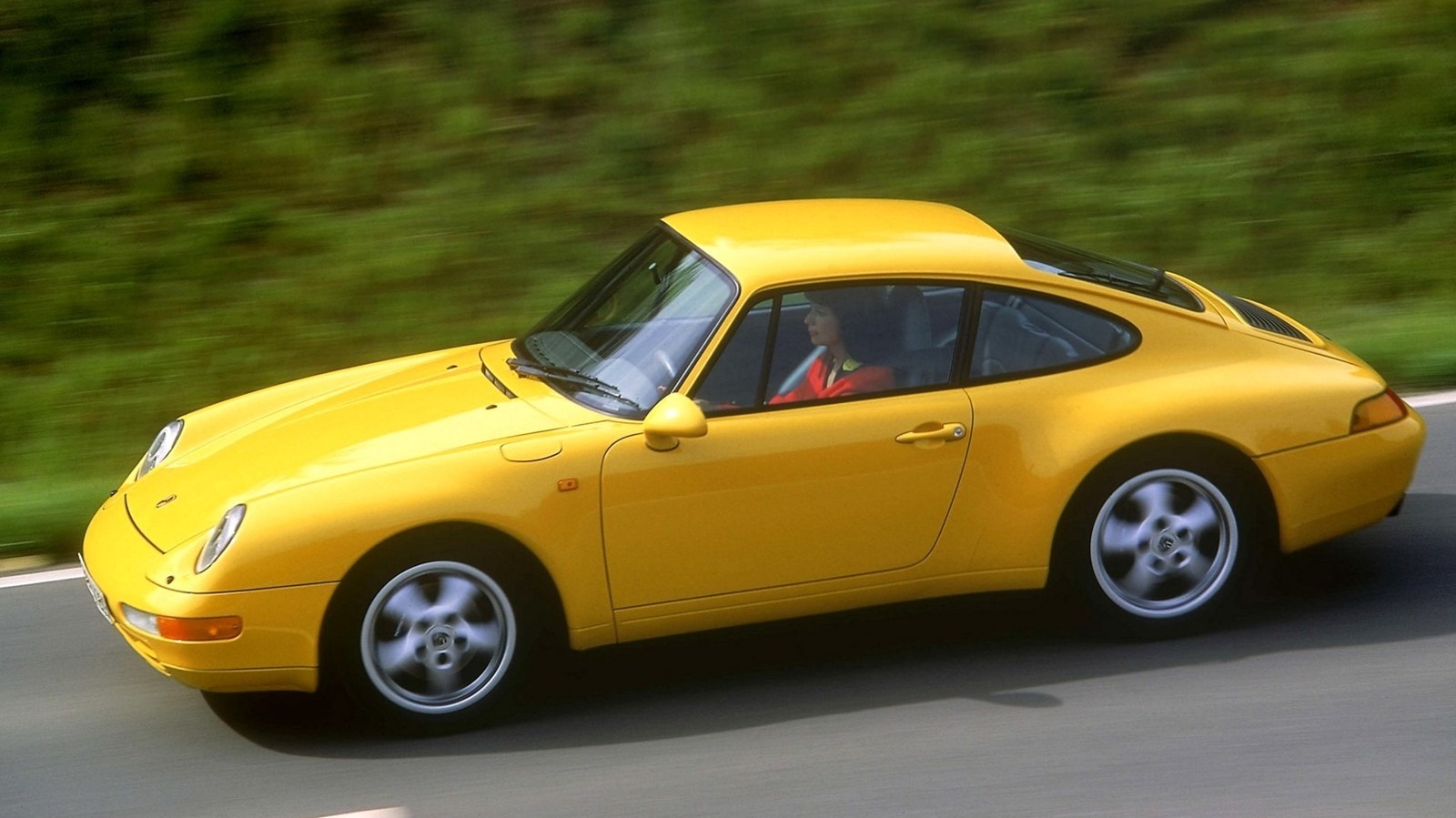
The air-cooled Porsche 993 got its expected nod, with the honest caveat that it couldn’t meet modern crash or emissions standards. That admission is the quiet part said loud. The regulations designed to protect us have also walled off an entire category of visceral, mechanically pure driving machines. Nobody disputes the need for safety. But the tradeoff deserves acknowledgment.
Several picks targeted a segment the industry abandoned completely: the small, honest, affordable car. The 1996 Honda Civic hatchback was called “peak basic transportation” with good power, good handling, few computers, and actual sightlines. That last detail stings. Modern pillars are so thick and beltlines so high that backup cameras aren’t a luxury — they’re a necessity created by the design itself.
The original two-door Acura Integra nomination came with a pointed jab at its modern namesake. Acura revived the badge but not the spirit. A compact, lightweight coupe with a jewel of an engine became a rebadged Civic sedan with extra doors. The name survived. The philosophy didn’t.
Saab’s 900SE five-door hatchback got a beautifully reasoned case: front-drive, turbocharged four-cylinder, manual transmission, comfortable for five, practical cargo space, analog everything. Nothing you don’t need, everything you do. That description reads like a manifesto against the 5,000-pound touchscreen-covered crossovers dominating every dealer lot in America.
The Nissan 300ZX Twin Turbo, BMW Z3, and Ford MN-12 Thunderbird platform rounded out the sportier picks. Each represented a moment when their respective manufacturers were willing to build something with genuine character, even if the business case was thin. The MN-12 platform in particular — rear-drive, independent rear suspension, multi-valve engines across Thunderbird, Cougar, and Mark VIII — represented a massive Ford investment that got killed prematurely.
Even the Chevrolet Caprice Classic made the list. Comfortable, spacious, reliable, available as a wagon. It was the anti-crossover before crossovers existed.
The Infiniti G20 and original Acura NSX completed the roster, each championing the idea that refinement doesn’t require complexity and performance doesn’t demand a six-figure price tag.
What threads through every single one of these picks is weight — or rather, the lack of it. These were cars built before the average new vehicle tipped 4,300 pounds. Before every surface became a screen. Before analog controls were treated as relics rather than solutions.
The Express van endures because commercial buyers care about function, cost, and availability of parts. They don’t care about refresh cycles or generational redesigns. They need a box that works.
The readers picking these cars are saying the same thing. They don’t want a revolution every five years. They want a good car, honestly built, continuously improved, and left the hell alone. The industry stopped listening to that customer a long time ago. The Express van is proof the model works. The rest of this list is proof nobody else is willing to try.
Share this Story