
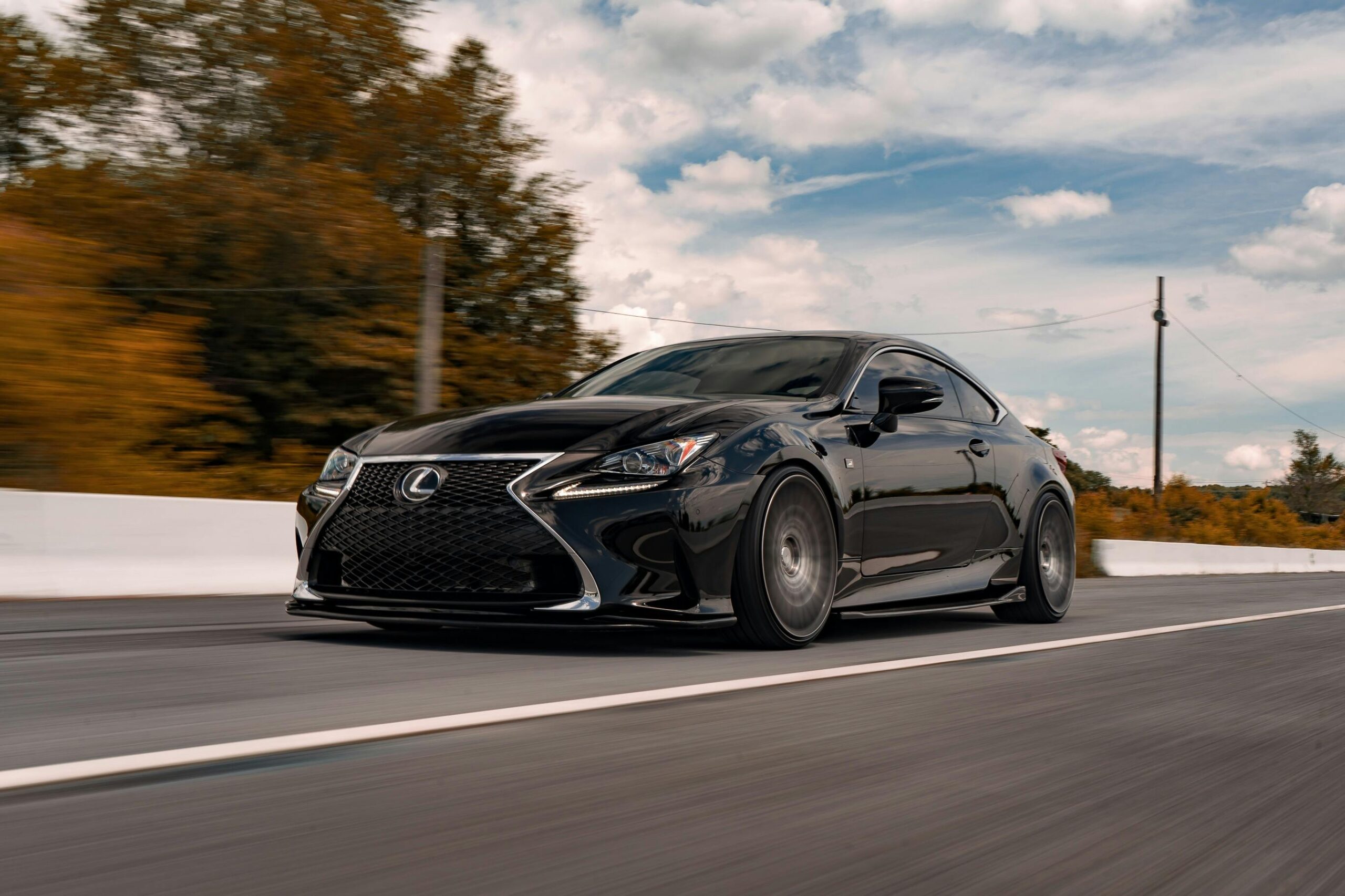


The eighth-generation Lexus ES is no longer just a comfortable commuter sedan. It’s now a three-car strategy covering hybrid and battery-electric powertrains, a quiet admission that Lexus still isn’t ready to abandon combustion power even as it pushes deeper into electrification.
Lexus confirmed the 2026 ES lineup will include the ES 350h hybrid alongside two battery-electric variants, the ES 350e and the ES 500e. That’s a single nameplate spanning two fundamentally different propulsion philosophies — a hedge bet dressed up as consumer choice.
The ES 350h hybrid produces 244 horsepower and 175 pound-feet of torque, available in both front-wheel drive and all-wheel drive. Those are respectable numbers for a luxury sedan that has always prioritized smoothness over speed. The hybrid keeps the ES planted firmly in the territory its buyers know: refined, predictable, fuel-efficient without any range anxiety to think about.
The electric models are where things get interesting. Lexus hasn’t released full specifications yet, but the naming convention tells you something. An ES 350e suggests a direct equivalent to the hybrid’s output, while the ES 500e implies a performance bump significant enough to justify its own badge.
This is the same brand that spent years telling customers hybrids were the pragmatic answer, that battery-electric vehicles needed more time, more infrastructure, more consumer readiness. Now Lexus is offering both in the same car, on the same lot, side by side. The message to buyers is choose your own adventure. The message to the market is we’re covering every exit.
The broader 2026 Lexus hybrid lineup reinforces the dual approach. The RX 500h F SPORT Performance makes 366 combined horsepower with 406 pound-feet of torque, hitting 60 mph in just under six seconds. The NX 450h+ plug-in hybrid pushes 304 horsepower. The LX 700h, the flagship body-on-frame SUV, delivers 457 combined horsepower and can tow 8,000 pounds. None of these are going electric-only anytime soon.
Lexus is running two parallel product philosophies across its entire range. Sedans get the full electric option. SUVs stay hybrid.
The ES is the proving ground for whether Lexus buyers — traditionally among the most conservative luxury customers in the market — will actually cross over to battery power when a familiar hybrid sits right next to it on the showroom floor.
Toyota’s broader corporate posture has always been cautious on full electrification, and Lexus has followed that script faithfully. But the ES lineup now suggests the company is feeling real competitive pressure. Genesis, BMW, and Mercedes all have compelling electric sedans either on sale or arriving shortly. Standing still was no longer an option.
The interior upgrades across the ES range — heated and ventilated seats, thematic ambient lighting, wireless connectivity, a 10-speaker sound system — are standard Lexus fare. Nothing groundbreaking. The real story is under the skin.
Whether the ES 350e and ES 500e can deliver the driving experience and range numbers to compete with established electric sedans remains an open question. Lexus has the brand equity and the dealer network. What it hasn’t yet proven is that it can build an EV people choose over the hybrid parked ten feet away.
That’s the real test. Not whether Lexus can build electric cars, but whether its own customers actually want them.
Share this Story