
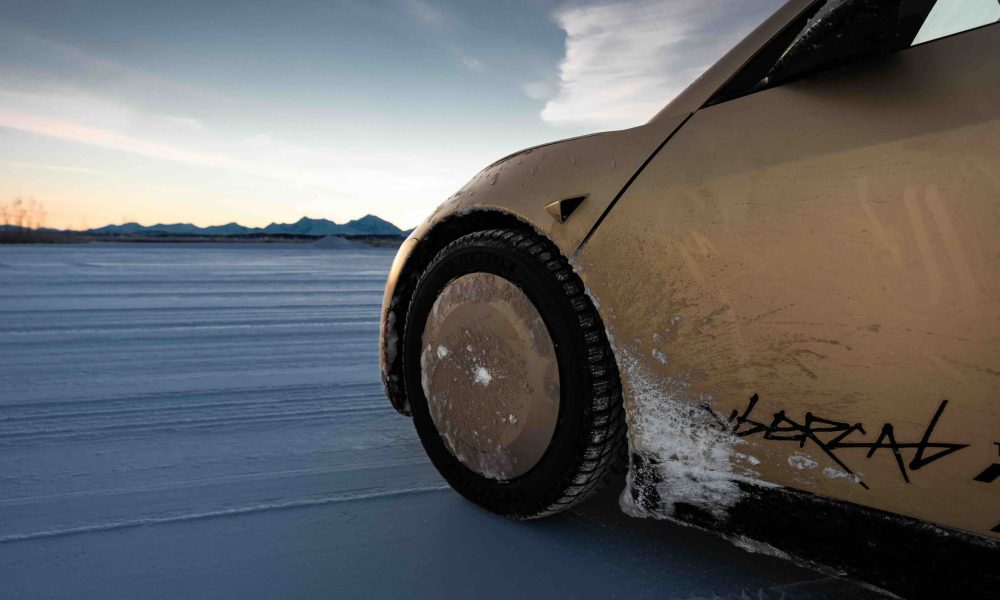


Twenty Cybercabs sat parked at Miami International Airport last night. Hundreds of miles north, another batch appeared at a Devon, Pennsylvania showroom just outside Philadelphia. On the same day Tesla plans to put public passengers inside a vehicle with no steering wheel and no pedals for the first time, its autonomous fleet is showing up in cities where the company doesn’t even have regulatory approval to operate yet.
Tesla’s Cybercab launch event is tonight in Austin, Texas. The company has kept details thin, even for invitees. But the vehicle sightings tell a story Tesla’s press team hasn’t bothered to narrate.
The Miami fleet is the easier one to explain. Tesla has been running its Robotaxi platform there for months using Model Y vehicles, building the operational backbone and collecting the regulatory goodwill needed to eventually swap in purpose-built hardware. Staging Cybercabs at the airport suggests that swap is coming soon, pending final approvals.
Airports are high-value, high-visibility ride-hail territory. Placing vehicles there is not a test. It is a statement.
Philadelphia is harder to parse. Tesla has no active Robotaxi geofence anywhere in Pennsylvania. The Cybercabs spotted at the Devon showroom, and others seen testing around the Philadelphia metro area, point to something further out on the timeline.
Dense urban corridors, heavy tourist traffic, and direct competition with Uber and Lyft make Philly an obvious target. But testing and launching are very different verbs, and Tesla has offered zero guidance on when Pennsylvania might join the map.
The broader pattern is what matters. These sightings are not leaks or surprises. You don’t park 20 vehicles at an international airport by accident.
Tesla is seeding its presence in multiple metro areas at once, building familiarity with the public and positioning hardware ahead of the regulatory green lights it expects to receive.
Tonight’s Austin event is the ceremonial starting gun. Public passengers will ride in Cybercabs on public roads for the first time, a milestone Tesla has been chasing since the vehicle’s original unveiling. No steering wheel, no pedals, no safety driver visible to the passenger.
The company has previously said it plans to sell Cybercabs to individual owners who could add them to a broader ride-hail fleet, turning autonomous vehicles into passive income machines. Whether that sales model gets discussed tonight remains unknown.
The pace Tesla is setting is aggressive by any measure. Waymo spent years grinding through a single metro area before expanding to the next. Tesla appears to be staging rollouts across the Sun Belt and the Northeast at the same time, betting that its existing fleet data from millions of supervised Full Self-Driving miles gives it a shortcut through the validation process that competitors had to earn city by city.
That bet carries real risk. The Model Y suspension complaints surfacing in China this week are a reminder that scaling fast and scaling well don’t always travel together. Chinese owners are reporting rear suspension sag severe enough to cause abnormal tire wear, some noticing it in as few as 5,600 miles.
Tesla has not acknowledged the issue or issued a recall. Cybercab is a different vehicle with a different mission, but the principle holds. When you move this fast across this many markets, the margin for error shrinks to nothing.
Austin tonight. Miami soon. Philadelphia eventually. The fleet is already in position. The question is whether the software, the regulators, and the hardware reliability can keep up with the ambition Tesla is physically parking on airport tarmacs.
Share this Story