


Tesla built more than 50,000 vehicles it couldn’t deliver last quarter — the widest production-to-sales gap in at least four years. And now, facing that unsold inventory and two consecutive years of declining sales, the company is circling back to the one idea Elon Musk once called “pointless”: a cheap car.
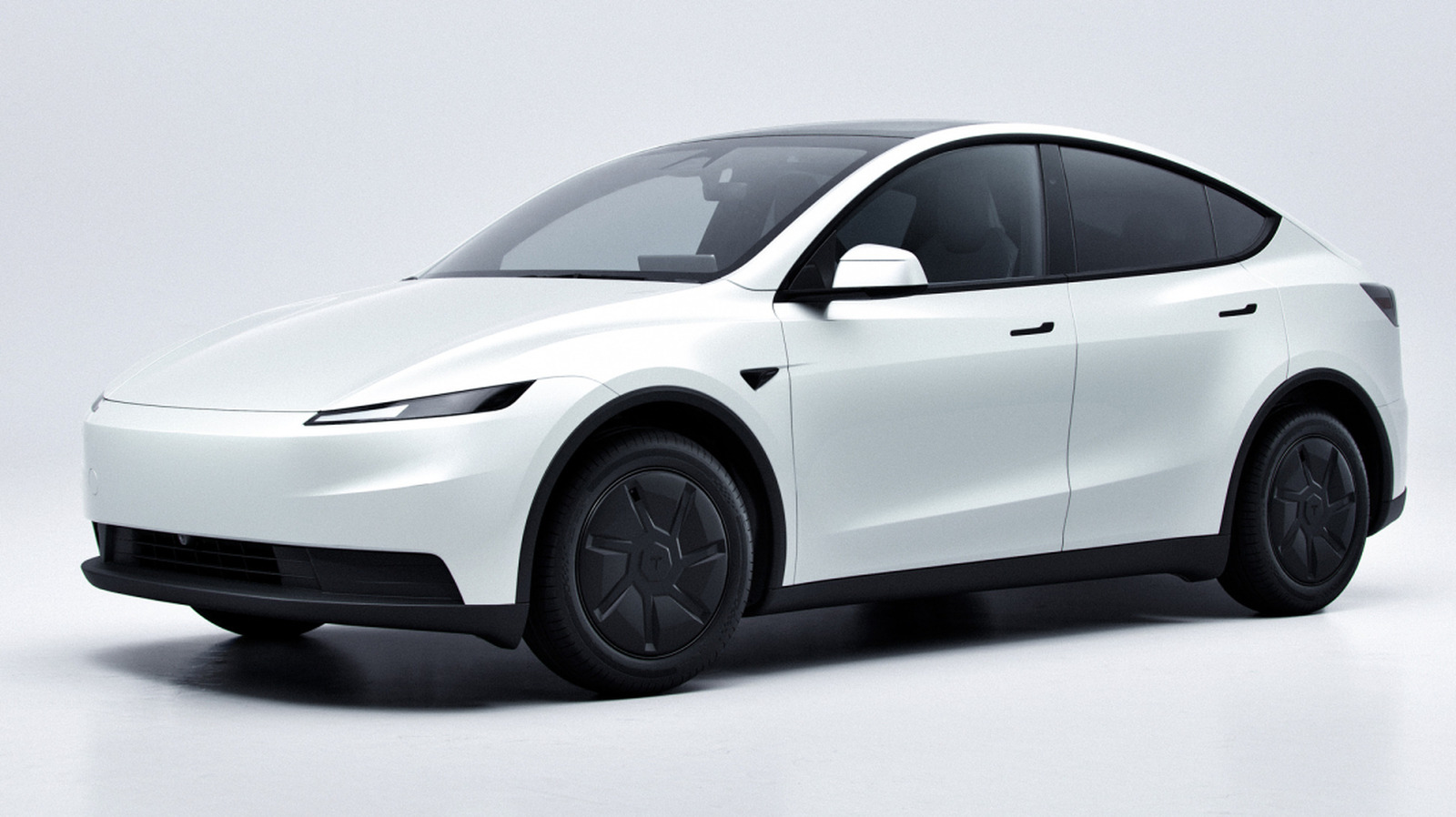
Reuters reported this week that Tesla has begun approaching suppliers about a compact SUV roughly 14 feet long, smaller than the Model Y and built on an entirely new platform. Four people familiar with the matter described a vehicle intended first for China, where BYD and a swarm of domestic rivals are eating Tesla alive on price. U.S. and European production would follow, if it gets that far.
No production has been greenlit. But the supplier conversations tell you where the wind is blowing.
The tension here is brutal and simple. Tesla needs volume. Its vehicle sales have dropped for two straight years, and some analysts now predict a third.
The $7,500 federal EV tax credit — once a crucial demand lever — is gone, killed under policy changes backed by President Trump. The stripped-down “Standard” versions of the Model 3 and Model Y that Tesla rolled out late last year, priced $5,000 below their Premium siblings, haven’t generated enough momentum to reverse the slide.
A sub-$30,000 Tesla could theoretically change that equation. But at what cost to the balance sheet?
“Demand, not supply, is the bottleneck,” said Scott Acheychek, COO of ETF issuer REX Financial. He added that a cheaper model only pencils out if Tesla can hold mid-teens margins while pushing more volume through its factories. That’s a tightrope walk over a canyon.
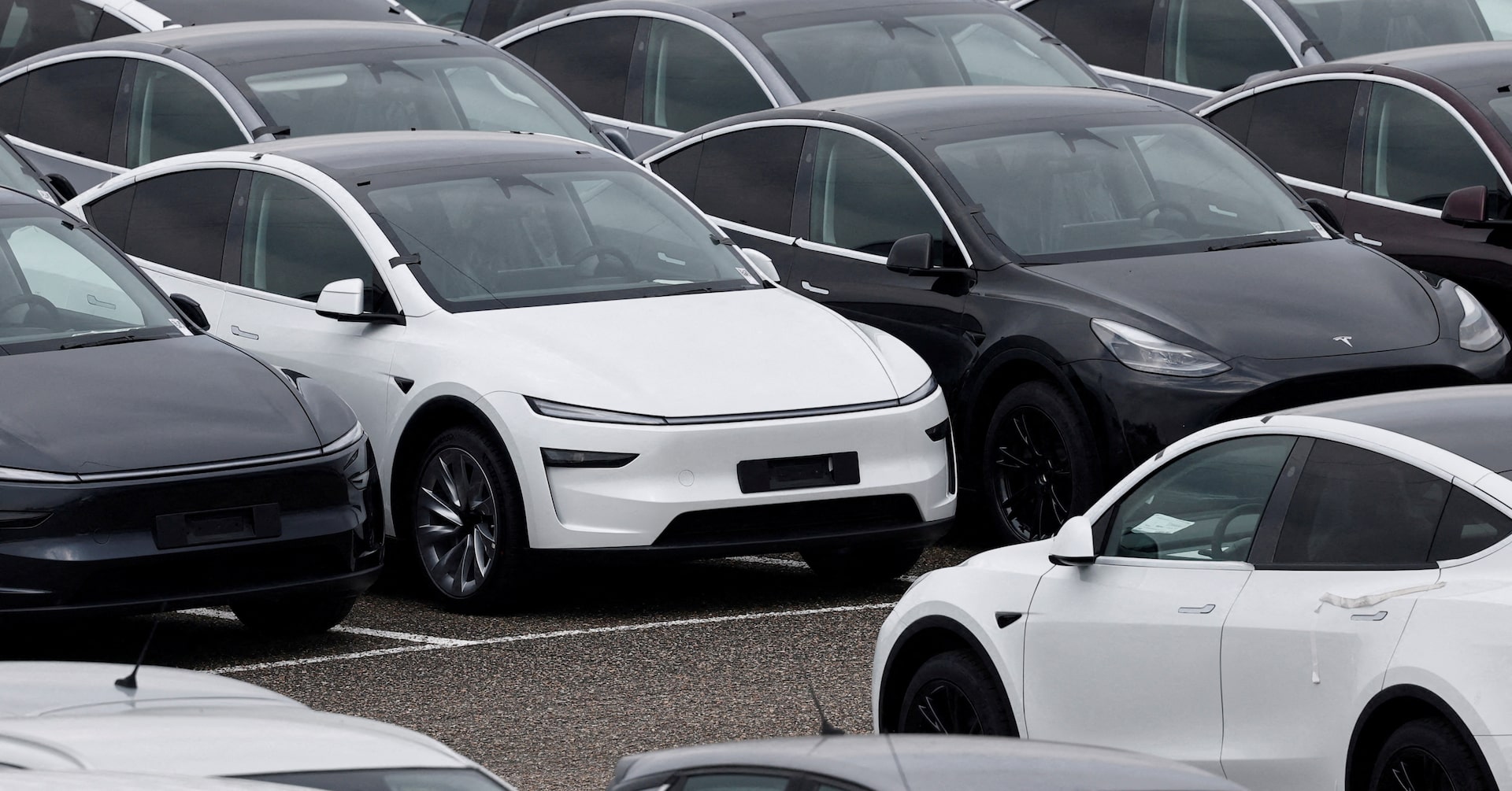
Tesla’s automotive margins are already under pressure from the discounting it took to move existing inventory. Layering in an even cheaper vehicle — one that would use a smaller battery, a single motor, and weigh around 3,300 pounds — risks diluting profitability further at exactly the moment Tesla needs cash flow to fund its massive bets on robotaxis, AI, and humanoid robots.
Mamta Valechha, an analyst at Quilter Cheviot, put it plainly: “A new model could boost volumes and factory utilization, but would likely squeeze margins as Tesla prioritizes market share.”
This is a company that scrapped its affordable EV plans entirely in 2024, with Musk pivoting hard toward autonomy and the Cybercab robotaxi. Walter Isaacson’s biography revealed Musk considered a $25,000 car “not that exciting.” Tesla chair Robyn Denholm later floated the idea of slapping a steering wheel on the Cybercab to create a budget vehicle around $30,000. None of it materialized.
Now reality has a way of making previously unexciting ideas look essential. BYD is expanding aggressively into Europe. Chinese automakers offer capable EVs at prices Tesla can’t touch with its current lineup.
The Model 3 RWD starts at $38,630 in the U.S. and $34,000 in China — still too rich for the mass market Tesla claims to want.
Deutsche Bank analyst Edison Yu, who dubbed the hypothetical vehicle the “Model Q,” suggested last November it could arrive in 2026 but might be limited to certain regions. His predecessor, Emmanuel Rosner — now at Wolfe Research — argued a true mass-market Tesla could “reaccelerate volume, margins, and FCF.”
Could. Might. If. The language around this car is littered with conditionals, and for good reason. Tesla still makes a profit selling EVs, which puts it ahead of most competitors.
But profitability on a $25,000 to $30,000 vehicle is a fundamentally different engineering and manufacturing challenge than profitability on a $45,000 crossover.
The road to autonomy and robots turned out to be longer than Musk promised. The road to a cheap car that doesn’t cannibalize what’s left of Tesla’s margins may be just as treacherous. The biggest variable, as always, is Musk himself — and whether the man who killed this project once will have the discipline to see it through without blowing up the company’s financials in the process.

Share this Story