
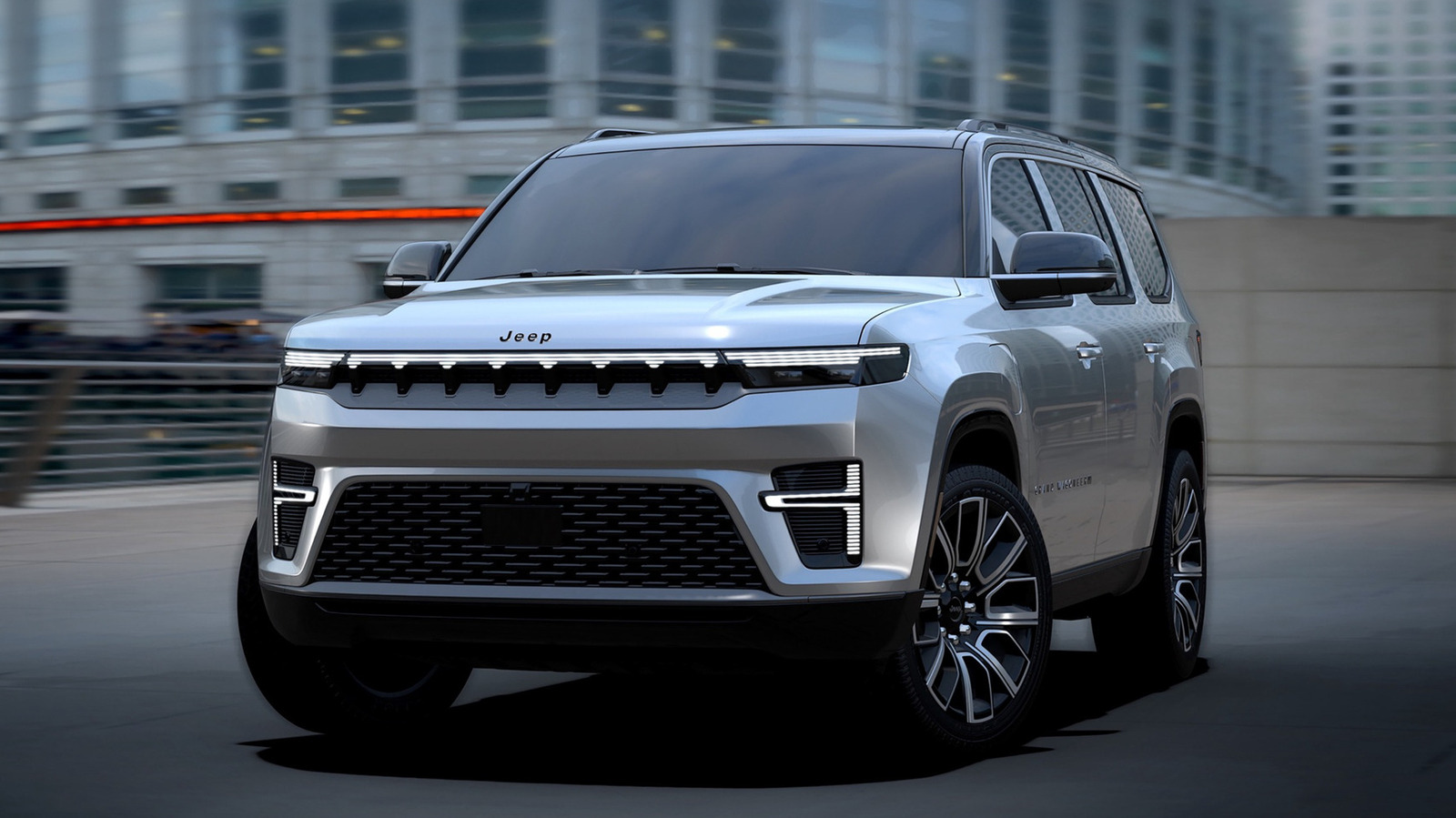


Drive a Toyota to work at Stellantis headquarters in Auburn Hills, Michigan, and you’d better pack comfortable shoes. The company is actively ticketing employees who park non-Stellantis vehicles in preferred lots closest to the building, banishing them instead to distant overflow parking that adds serious time to their daily walks.
The policy, reported by the Wall Street Journal, carries escalating consequences. First offense gets a ticket with no fine attached. Keep parking where you shouldn’t, and security will slap a wheel boot on your car — removal of which requires what multiple employees have described as an unpleasant phone call.
The timing couldn’t be worse. Stellantis has ordered all U.S. salaried workers back to full-time office work starting March 30, according to Reuters. That means thousands more cars flooding lots that are already strained.
One employee on the r/Stellantis subreddit described returning from a doctor’s appointment to find the non-Stellantis lot completely full while the company-branded lot sat well under capacity. They still couldn’t park there.
The frustration bleeds through every Reddit post. Sorry I didn’t let y’all dictate the second biggest financial decision of my life,” one worker wrote. “Last time I checked this was a workplace not a f*cking cult.”
Another was more surgical: “How about making cars that employees want to buy and can actually afford? I bought two cars while working for Stellantis and neither was a company brand.

That second comment lands harder than any parking ticket. Stellantis lost billions in 2024, slashed employee profit-sharing checks, and has spent the last year in turmoil after former CEO Carlos Tavares departed. Asking workers who’ve watched their compensation shrink to also buy company products — or suffer the parking lot walk of shame — is a particular kind of corporate tone-deafness.
Stellantis does offer a vehicle lease program with insurance, maintenance, and unlimited miles included, plus employee discounts. The company technically gives workers 14 brands to choose from, spanning Jeep and Ram to Maserati and Alfa Romeo. But the breadth of that portfolio on paper doesn’t help someone who needs an affordable daily driver and doesn’t see one in the lineup that fits.
The edge cases are entertaining. One employee posted that their Eagle Talon got ticketed — Eagle having been a Chrysler brand back in the early ’90s. Would a vintage Alfa Romeo built decades before the Fiat-Chrysler merger pass muster? Nobody seems sure.
A Stellantis spokesperson offered the corporate line: preferential spots are for company-branded vehicles, and “employees must adhere to posted signage and communications.” No acknowledgment that maybe the product lineup should do the persuading, not the parking enforcement team.
This isn’t unique to Stellantis. Detroit’s Big Three have long played this game. Ford and GM have both had versions of branded parking policies, though Ford told the Journal it doesn’t currently designate spots by vehicle make.
Consumer-protection lawyer Steve Lehto confirmed the practice is perfectly legal in Michigan. He also offered a darker warning: “If you park a foreign car in the lot, bad things might happen to it. Not a ticket — just bad things.”
That’s the real Detroit culture peeking through. Brand loyalty in this town has always carried an edge, sometimes scratched into the paint of a Honda parked in the wrong place.
Stellantis is a company fighting to prove it can build vehicles Americans actually want. Forcing employees into those vehicles through parking lot coercion is an admission that the products aren’t yet doing that job on their own. When your own workers would rather walk an extra half-mile than buy what you’re selling, the problem isn’t where they’re parking. It’s what you’re building.



Share this Story