
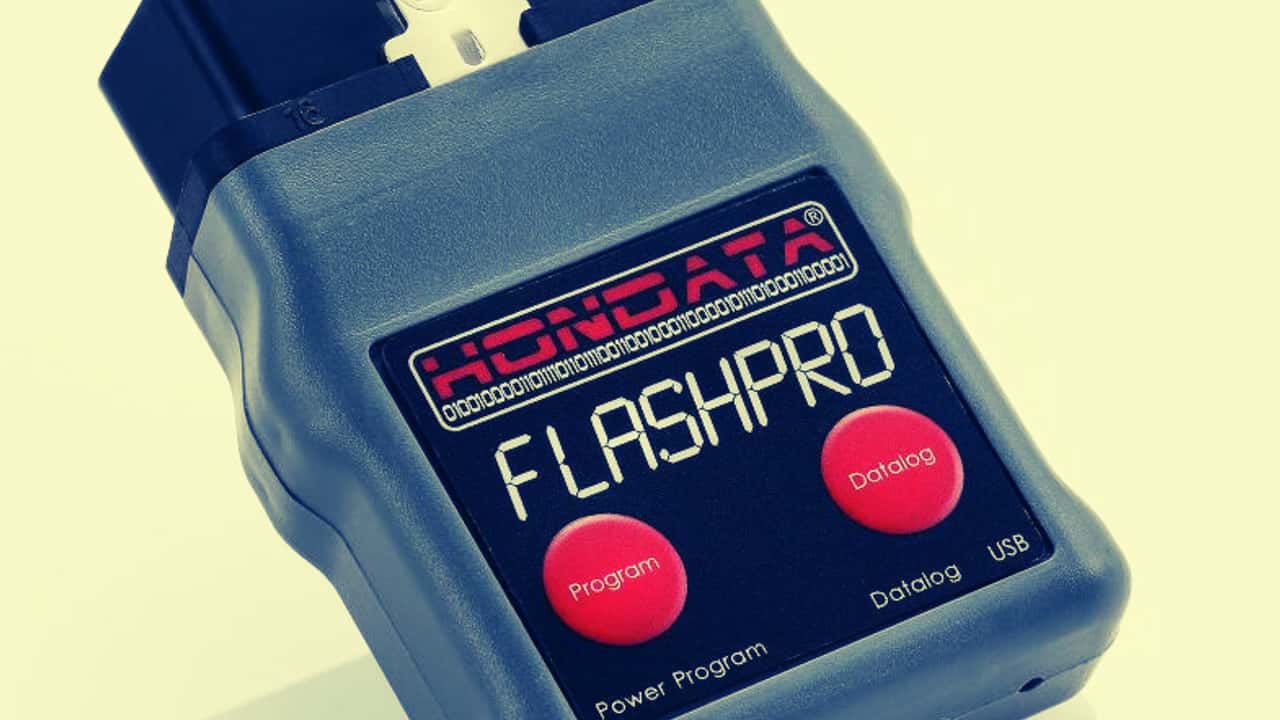


Hondata, the company that gave two decades of Honda and Acura owners the keys to their own engine management, now belongs to a private equity-backed roll-up called Engineered Performance Technologies Group. The acquisition closed quietly in May. It only surfaced publicly through a questionable Facebook post before EPT confirmed the deal to Motor1.
That stealth says something.
EPT is not a household name, but its shopping list is. The group already owns Cobb Tuning, PRL Motorsports, ECUTek, and AutoMeter. Since 2007, it has completed eight acquisitions, and Hondata is the latest brand fed into a machine designed to consolidate the aftermarket tuning space under one corporate umbrella.
Derek Stevens and Doug Macmillan cofounded Hondata in 1999 in New Zealand before relocating to Torrance, California, in the early 2000s. For a generation of Honda enthusiasts, Hondata was the difference between a stock Civic and something worth bragging about. Its FlashPro and S300 systems became essential tools for anyone serious about extracting real power from Honda’s four-cylinders.
EPT CEO Jeff King delivered the expected boardroom language, promising “market-leading products, technologies, compliant performance solutions and power packages, and unmatched customer support.” The press release assured customers that Stevens, Macmillan, and the existing team will remain in their current roles.
Every private equity acquisition says that.
The pattern here is unmistakable. Aftermarket tuning companies built by enthusiasts, for enthusiasts, are being absorbed one by one into portfolio plays. Cobb Tuning was already a cautionary tale, once a fiercely independent tuning house, now a line item in EPT’s investor deck.
Adding Hondata means EPT now controls software-based tuning solutions across Honda, Subaru, Ford, Mazda, and Nissan platforms. That is not diversification. That is market capture.
EPT describes itself as “a consumer-focused automotive aftermarket company that invests in and builds products that deliver premium, differentiated software-based solutions.” Strip away the jargon and you find a company buying up brands that already have loyal customer bases and established reputations, then leveraging those reputations for scale.
The timing matters. Aftermarket tuning faces real regulatory headwinds. The EPA has cracked down on emissions-defeat devices, and companies like Cobb have already had to navigate those waters under EPT’s ownership.
Having a centralized legal and compliance operation could theoretically help smaller brands survive that pressure. Or it could mean that the risk-averse instincts of institutional investors gradually sand down the very products that made these companies beloved.
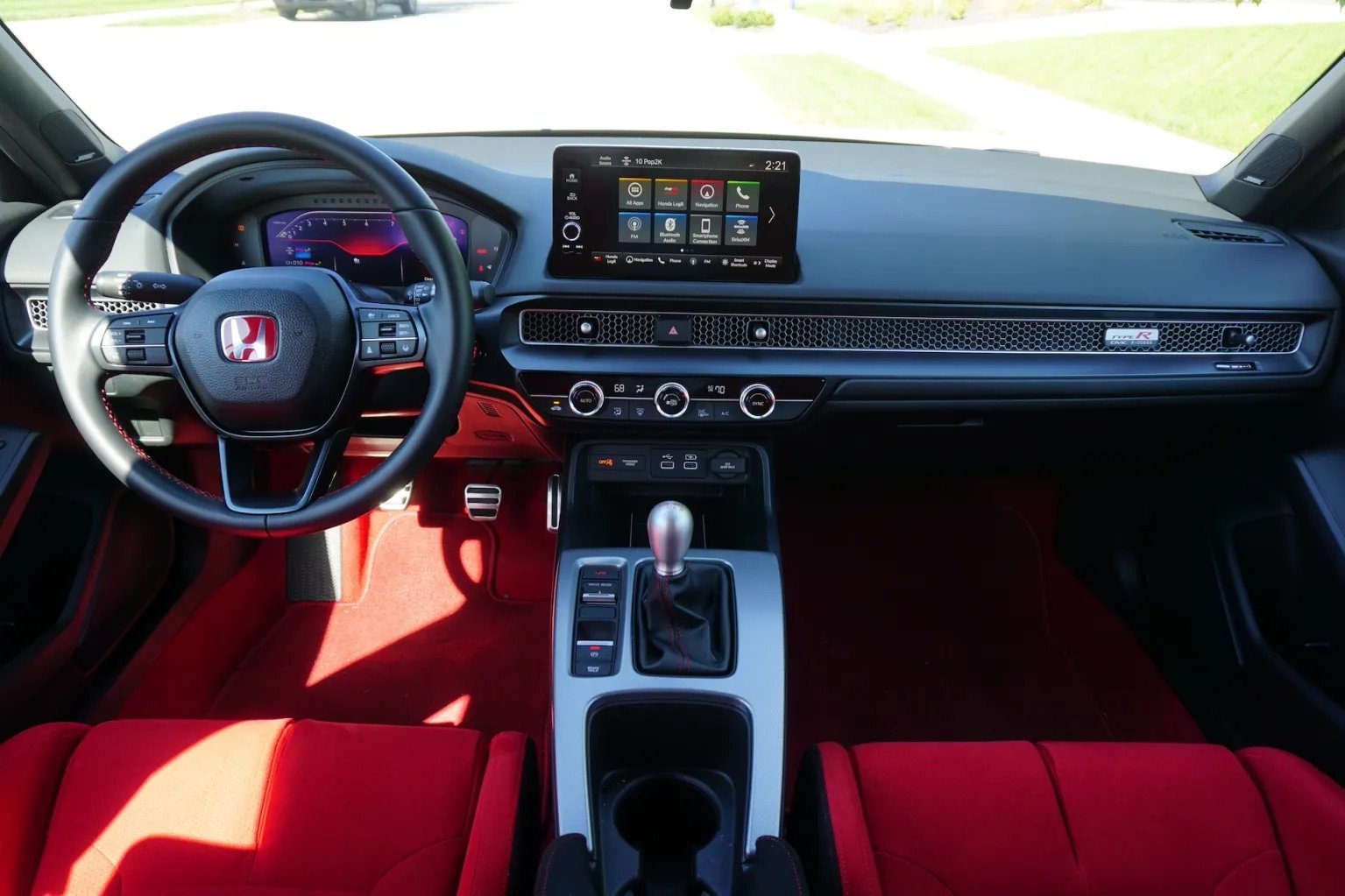
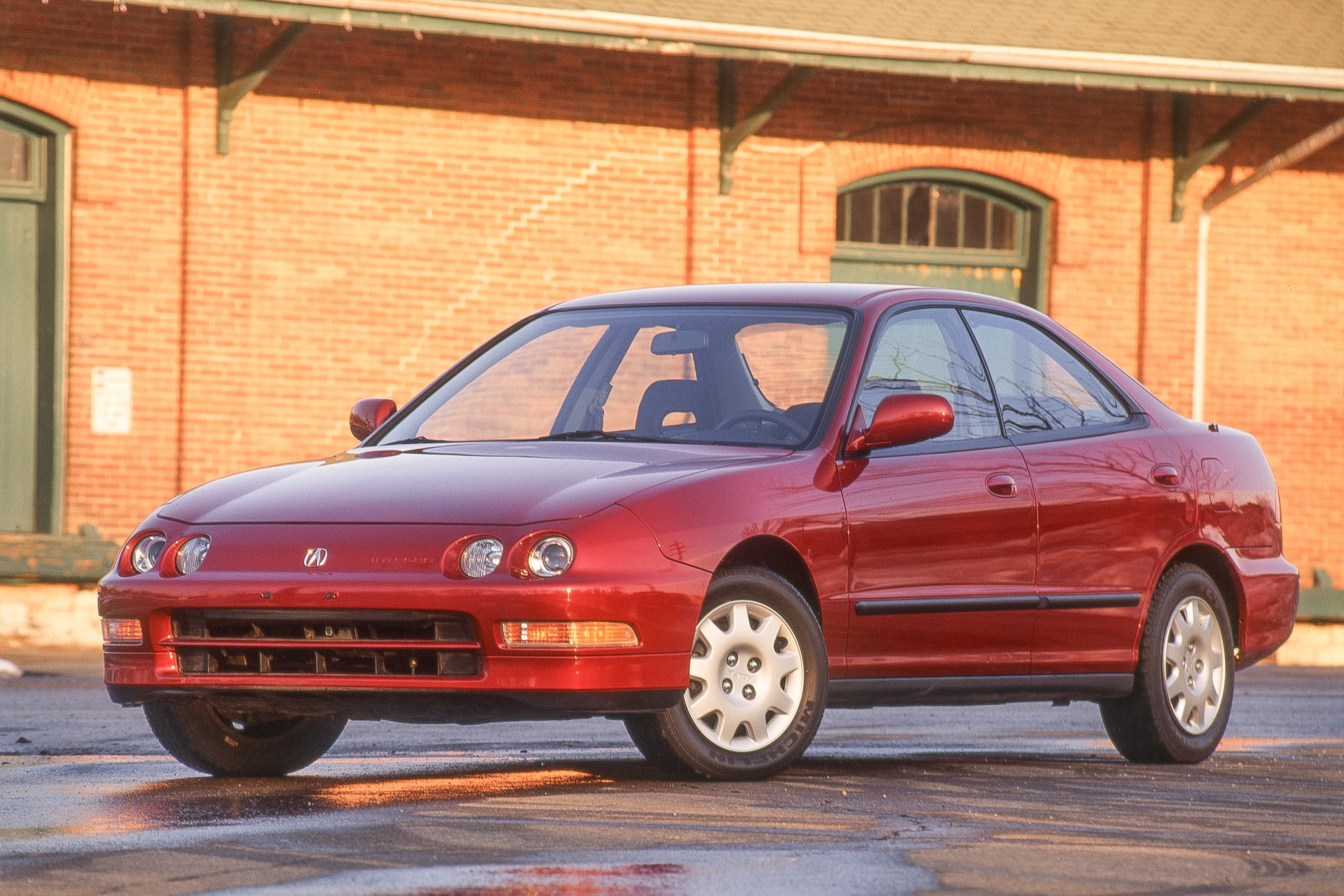
Honda’s enthusiast community is watching closely. The Civic Type R, the Integra Type S, and the growing fleet of turbocharged Hondas represent a massive addressable market for ECU tuning. Hondata’s tools are the backbone of that ecosystem. If EPT uses its resources to genuinely accelerate product development, the acquisition could be a net positive.
But the track record of private equity in enthusiast spaces, whether in media, retail, or automotive, tends to follow a depressingly familiar arc: acquire, optimize, extract, repeat. The founders stay on for a transition period. The press releases promise continuity. Then the spreadsheet people start asking why customer support costs so much.
Hondata earned its reputation one tuner at a time, in garages and on dyno sheets, with a product that worked and a community that trusted it. That trust is not a line item, and it cannot be acquired. It can only be spent.




Share this Story