
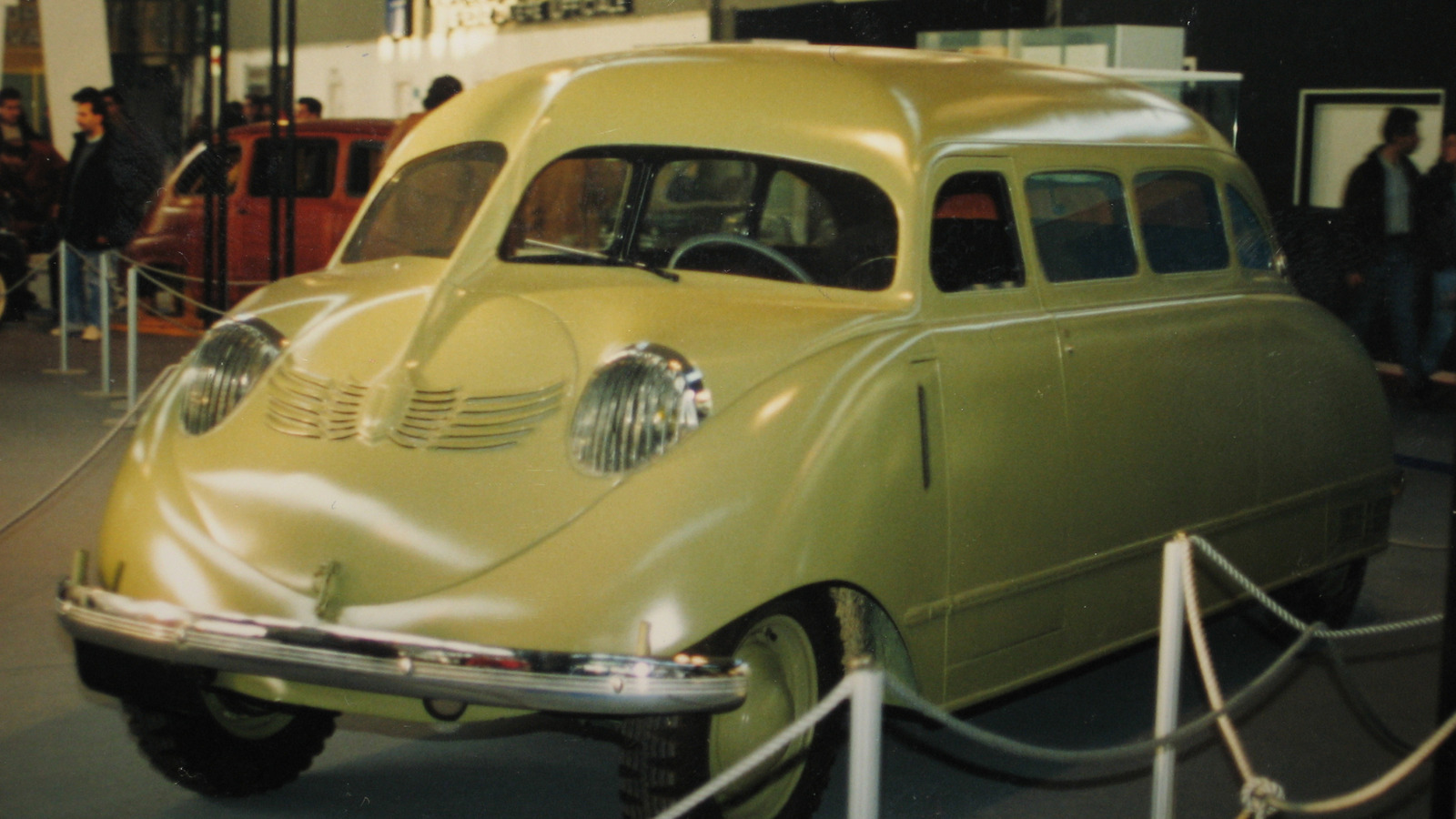


Ford called it Mustang. Dodge answered with Charger — an old cavalry term for a warhorse built to smash through enemy lines. That kind of deliberate, poetic rivalry doesn’t happen when one side is called the EQ-S 580 4Matic+ and the other is alphanumeric soup nobody can remember at a cocktail party.
The car-naming conversation resurfaced this week when Jalopnik asked readers to pick their favorite animal-named vehicles. The responses were a masterclass in why the auto industry’s wholesale retreat into alphanumeric branding has stripped cars of their soul.
Consider what a name like Mustang actually does. It tells you nothing about displacement, drivetrain, or door count. It tells you everything about intent.
A Mustang runs wild. A Viper strikes. A Jaguar stalks. These names carry mythology baked into human DNA, millions of years of associating certain creatures with speed, danger, and beauty. An AMG GT 63 S carries the mythology of a spreadsheet.
Readers dug deep. One pointed out that Lamborghini’s Murciélago — named for a legendary bull that survived 24 sword strikes in an 1879 bullfight — also means “bat” in Spanish. When the engine bay overheats, small vents open that resemble bat wings. The name works on three levels simultaneously.
Others surfaced obscure gems. The Volkswagen Amarok references a giant wolf from Inuit legend. The Delfino Feroce — “fierce dolphin” in Italian — never made it past a functional prototype but lives on in the memories of Project Gotham Racing fans who drove it digitally and dreamed of owning one for real.
One reader rattled off a list long enough to fill a zoo: Fiat Topolino (Little Mouse), Stutz Bearcat, Meyers Manx, Hillman Minx, DeTomaso Pantera, Opel Manta, Reliant Robin, Shelby Super Snake, Corvette Stingray. Even the Citroën Deux Chevaux — literally “two horses” — snuck in on a technicality.
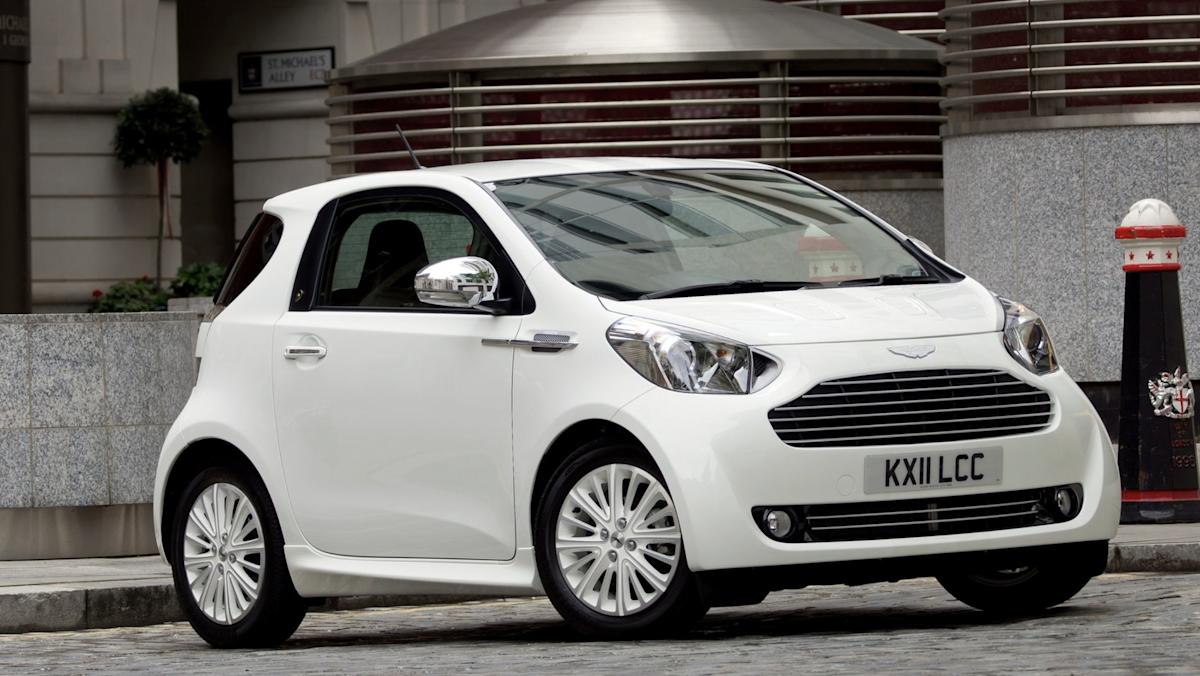
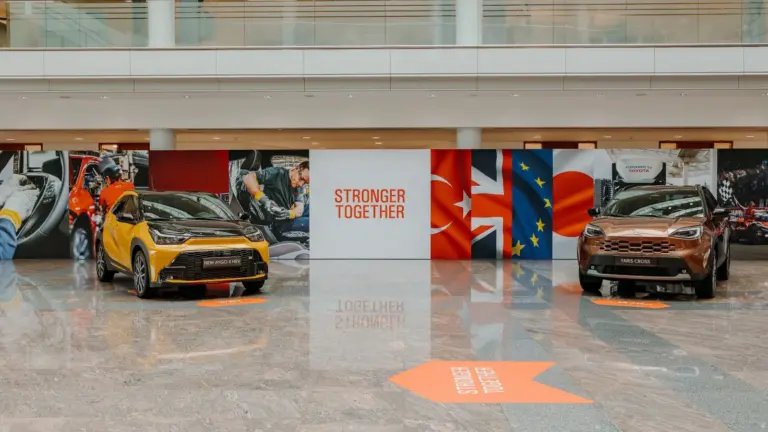
The most charming pick came from the editor herself. The Aston Martin Cygnet, a rebadged Toyota iQ named after a baby swan, was born entirely from regulatory desperation. Aston Martin needed something fuel-efficient in its European fleet during the 2010s, so it slapped its winged badge on a 97-horsepower city car cute enough to fit in your pocket.
It is the anti-supercar. And yet someone did stuff a naturally aspirated V8 into one, because of course they did. The name — a juvenile swan wearing a tuxedo — is perfect for a vehicle that has no business existing but absolutely should.
The thread reveals something the industry either doesn’t understand or doesn’t care about: naming a car after an animal creates an emotional contract with the buyer before they ever see a spec sheet. The Dodge Charger didn’t just compete with the Mustang on horsepower. It competed on narrative.
Warhorses versus wild horses. That tension sold metal.
Today’s naming conventions serve engineers and marketing databases. They make global trademark registration easier. They simplify trim-level communication across 47 markets. They are efficient, logical, and utterly forgettable.
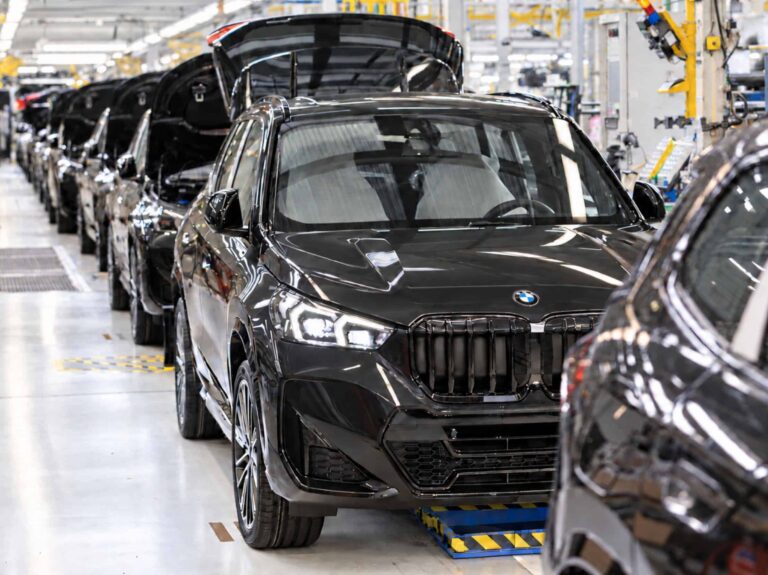
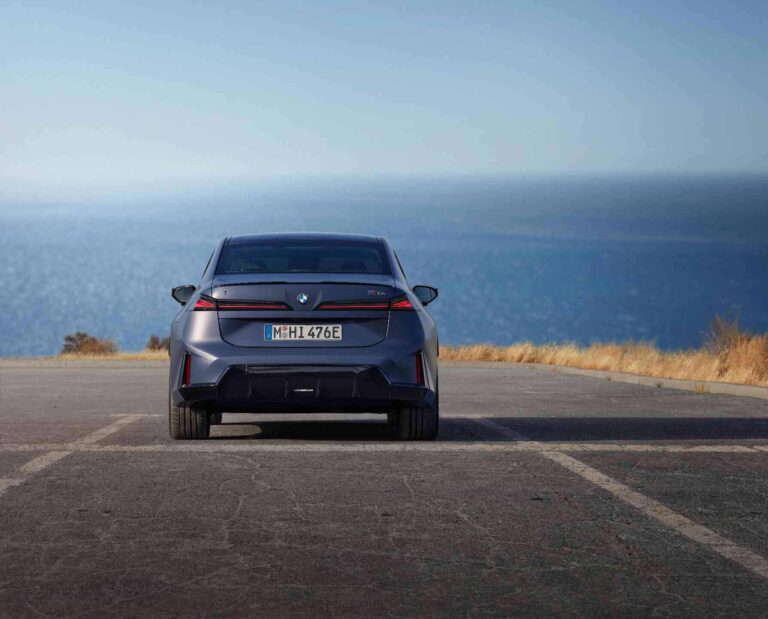
Nobody ever pinned a poster of the BMW 440i xDrive Gran Coupe to their bedroom wall. Nobody ever will. But a kid who sees a Stingray badge for the first time will remember it for decades, because the name already lives somewhere in their imagination, waiting.
The animals haven’t gone extinct. The courage to use them has.
Share this Story