
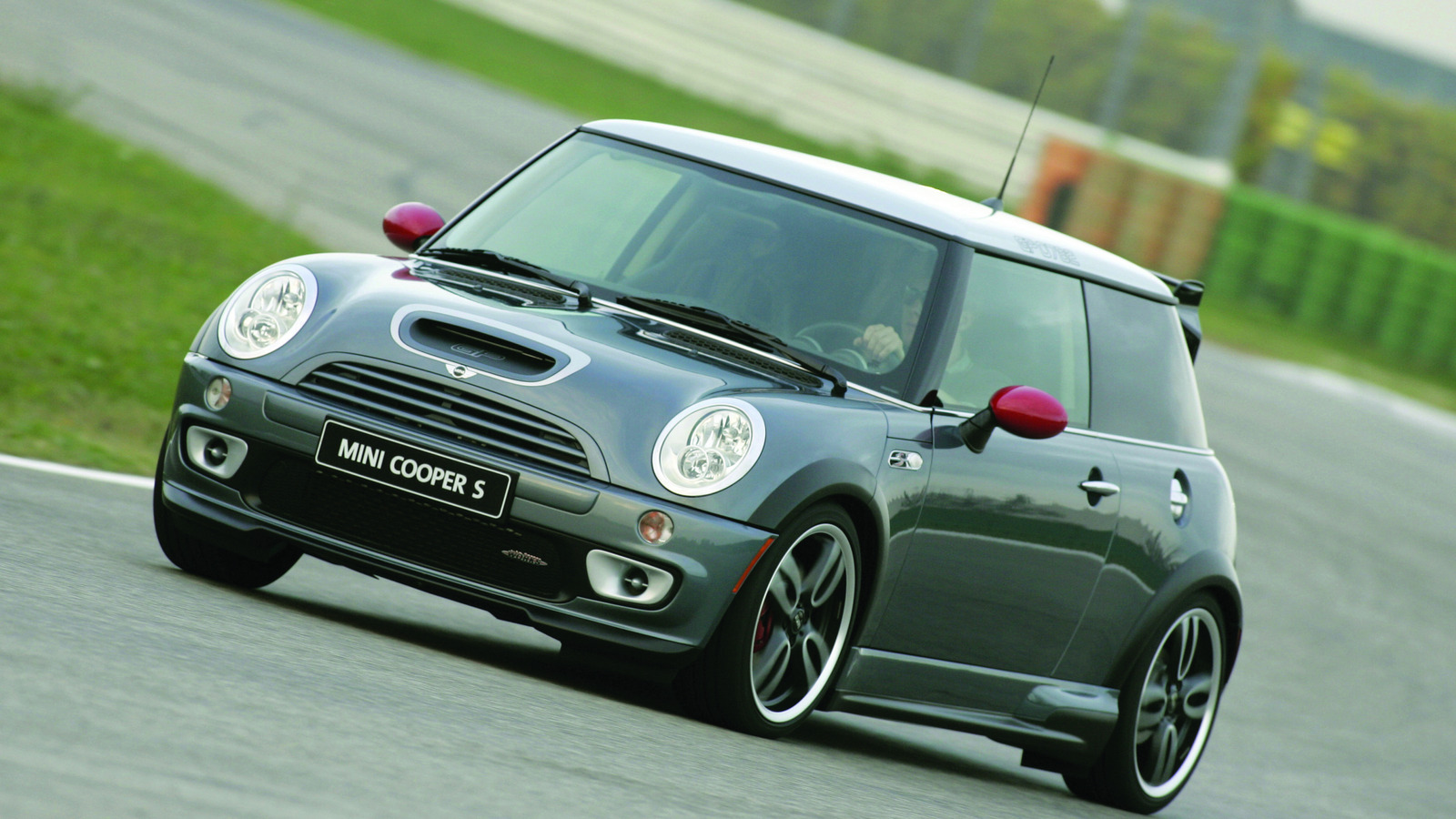


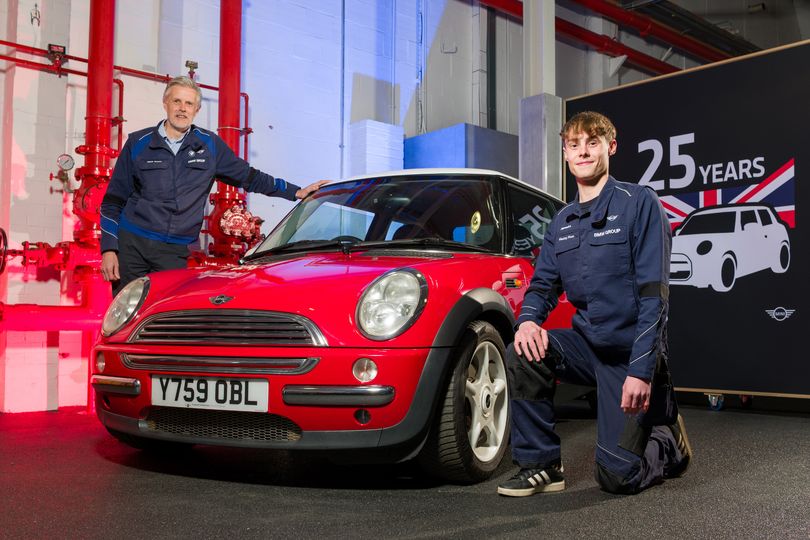
Nearly 4.7 million Minis have rolled out of BMW’s Oxford factory since April 26, 2001. That’s a staggering number for a car that was never supposed to be anything more than a cheeky nod to a 1959 icon most Americans couldn’t pick out of a lineup.
The quarter-century mark hit this week, and BMW Group was predictably eager to celebrate, calling it a “global success” and praising the 3,000 workers across its Oxford and Swindon plants who stamp body panels and bolt together the little machines that get shipped to more than 100 countries. Credit where it’s due — keeping a niche small car alive for 25 years inside a luxury conglomerate is no small feat of corporate survival.
But the real story isn’t the production numbers or the self-congratulatory press releases. It’s whether Mini still matters the way it did when that first R50 Cooper rolled off the line into a world of bloated, forgettable hatchbacks.
In 2001, the small car segment was half asleep. The fourth-generation Volkswagen GTI had gone soft. The Honda Civic Si looked like it was trying not to be noticed.
Mini showed up wearing a Union Jack roof, toggle switches everywhere, and a chassis tuned to make a grocery run feel like a stage rally. It was ridiculous and irresistible in equal measure.
That formula worked because it converted people who didn’t care about cars into people who did. The Mini didn’t demand track days or canyon roads. It just made a right-hand turn at 30 mph feel like an event.
That go-kart comparison became a cliché because it was true.
The problem is that Mini in 2026 is a different animal. The latest generation ditched the manual transmission. The toggle switches are gone.
The playful physical controls gave way to a circular OLED touchscreen that looks like it belongs in a concept car, not a spiritual successor to something Sir Alec Issigonis sketched on a napkin. The cars have grown in size, predictably, because every car grows in size. The Countryman is now a legitimate compact SUV.
BMW, for its part, is focused on the manufacturing narrative. Markus Gruneisl, the company’s chief executive for UK manufacturing, praised the “exceptional craftsmanship” and “creativity” of the workforce. The Swindon plant recently brought in GXO, a U.S. logistics giant, to manage operations — a quiet signal that efficiency pressures are real even for a brand celebrating a milestone.
And yet the cars themselves still do something most competitors don’t bother attempting. They carry speed through corners without drama. They reward the driver who actually pays attention to the road.
In a market drowning in crossovers engineered to feel like nothing at all, that counts for more than it used to.
The tension at the heart of Mini’s next 25 years is the same tension BMW has been managing since day one: how much can you modernize a car built on charm before the charm evaporates? Dropping the manual was a real cost. Replacing tactile controls with a screen was another.
Each concession to the modern market shaves a little more personality off the thing that made people fall in love with it.
Nearly five million cars built in Oxford says the business case is solid. Whether the soul case holds up is a different question entirely. Mini has always survived on the irrational — on buyers choosing delight over practicality, on people naming their cars and meaning it.
That kind of loyalty isn’t manufactured on a production line, no matter how efficient GXO makes the logistics.
Twenty-five years in, Mini is still here. Still small, relatively speaking. Still trying to make you grin. The question isn’t whether it can last another quarter century. It’s whether it can do it without becoming just another small car with a big badge.

Share this Story