
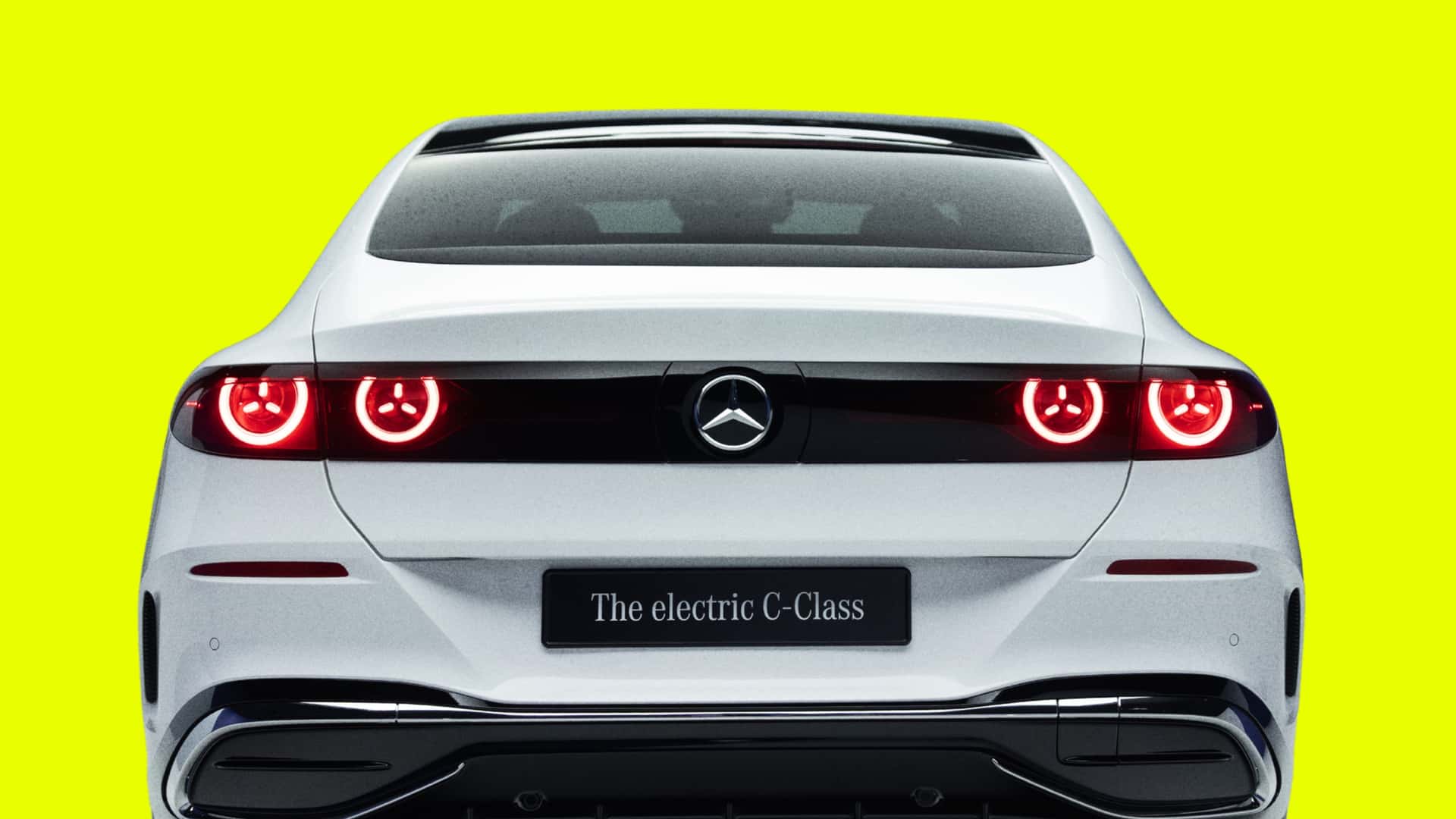


Nine percent. That’s how far Mercedes-Benz sales fell in 2025, dropping to just 1,800,800 vehicles. Stuttgart’s answer is the most aggressive product blitz in the company’s 139-year history, with at least 10 new or substantially updated models arriving in 2026 across the Mercedes, AMG, and Maybach brands.
The offensive spans every segment and every powertrain philosophy, which tells you something about where Mercedes actually stands on the combustion-versus-electric debate. It’s not picking a side. It’s flooding the zone.
Start at the top. The S-Class facelift brought a new flat-plane-crank V8 making 530 horsepower in the S580, plus a Maybach variant that still offers the twin-turbo V12 — but only in North America, China, and the Middle East. European emissions rules killed the twelve-cylinder on its home continent.
There’s also an updated Guard armored variant with VR10 ballistic protection, because some customers need more than leather and massage seats.
The electric side of the lineup is where the real gamble lives. The new C-Class EQ rides on a dedicated EV platform with a 94.5-kWh battery and a claimed 473 miles of WLTP range. It charges at up to 330 kW, adding 202 miles in ten minutes.
Those are big numbers. Whether they translate to big sales in a segment where Tesla and BMW’s new i3 are already circling is another question entirely.
Then there’s the AMG GT 4-Door Coupe, Affalterbach’s first EV on a bespoke platform. The GT63 version packs three axial-flux motors producing 1,153 horsepower, hits 60 mph in two flat seconds, and charges at an eye-watering 600 kW. It also simulates gear changes and engine sounds, which says everything about how confident AMG is that its customers actually want an electric car versus how confident it is that they need to be tricked into tolerating one.
Combustion enthusiasts aren’t being ignored. The AMG GLE 63 S and GLS 63 get the new flat-plane-crank 4.0-liter V8 with 603 horsepower. The GLC 53 ditches that universally loathed four-cylinder plug-in hybrid for a proper turbocharged 3.0-liter inline-six making 443 horses.
AMG listened to the backlash. The complexity and weight of the old setup drove customers away, and a simpler, more powerful six-cylinder is the olive branch.
A V8-powered CLE is imminent, too, possibly in two flavors: a limited-run Mythos edition with 646 horsepower capped at 30 units, and a regular-production CLE 63. Mercedes hasn’t confirmed timing, but teaser images show two distinct cars, one far more aggressive than the other.
The VLE is the wild card — a $130,000 electric luxury van Mercedes calls a “Grand Limousine.” It seats up to eight, offers 435 miles of WLTP range from a 115-kWh battery, and rides on air suspension. It’s an odd play for a brand that wants to move upmarket, but minivans have a way of printing money when nobody’s watching.
From a volume standpoint, the next-generation GLA may matter most. It’ll share its architecture with the new CLA and GLB, offering both combustion and electric powertrains. Expect a reveal later this year, possibly at the Paris Motor Show in October.
A facelifted combustion C-Class is also coming, likely adopting the electric model’s styling cues. A C53 with the inline-six is all but confirmed. A C63 with a V8? Don’t count on it. Mercedes is reserving the big engine for pricier metal.
Ten models in one calendar year is not a product refresh. It’s a rescue operation dressed in luxury trim. Mercedes is spending enormous capital — engineering, marketing, and reputational — to claw back volume it lost while competitors moved faster.
The breadth of this push is impressive. Whether it arrives in time is the only question that matters.
Share this Story