
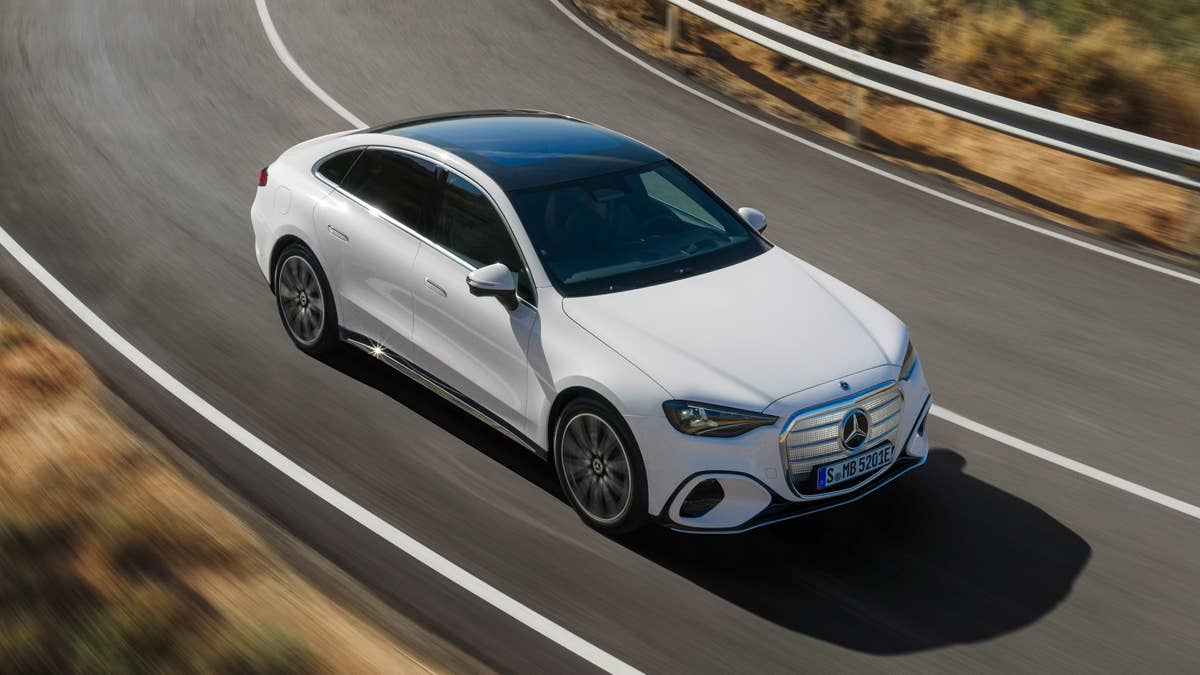


The C-Class has been Mercedes-Benz’s bread and butter for decades, the volume car that funds the S-Class dreams. Now Stuttgart is taking its most consequential gamble in years: rebuilding the franchise from the ground up as a pure electric vehicle.
The 2027 Mercedes-Benz C 400 4MATIC Electric arrives at U.S. dealers in the first half of 2027. It rides on an all-new purpose-built EV architecture, ditching the combustion platform entirely. Up to 762 kilometers of WLTP range, 800-volt charging, and a 94-kWh battery that can add 325 kilometers of range in ten minutes — those are the headline numbers.
They need to be that good. Mercedes is walking into a segment where Tesla’s Model 3 has owned the conversation for years, where BMW’s i4 has been chipping away at loyalty, and where Chinese competitors are pushing range and price in directions that make German executives sweat through their dress shirts.
Ola Källenius called it “the most powerful and sportiest C-Class we’ve ever built.” That language is doing heavy lifting. Mercedes needs this car to convince traditional C-Class buyers — the ones who love their turbocharged four-cylinders and the refinement of a compact luxury sedan — that an electric drivetrain doesn’t mean compromise.
The optional AIRMATIC air suspension, 4.5-degree rear-axle steering that shrinks the turning circle to 36.7 feet, and up to 300 kW of regenerative braking suggest they’ve taken the driving dynamics brief seriously.
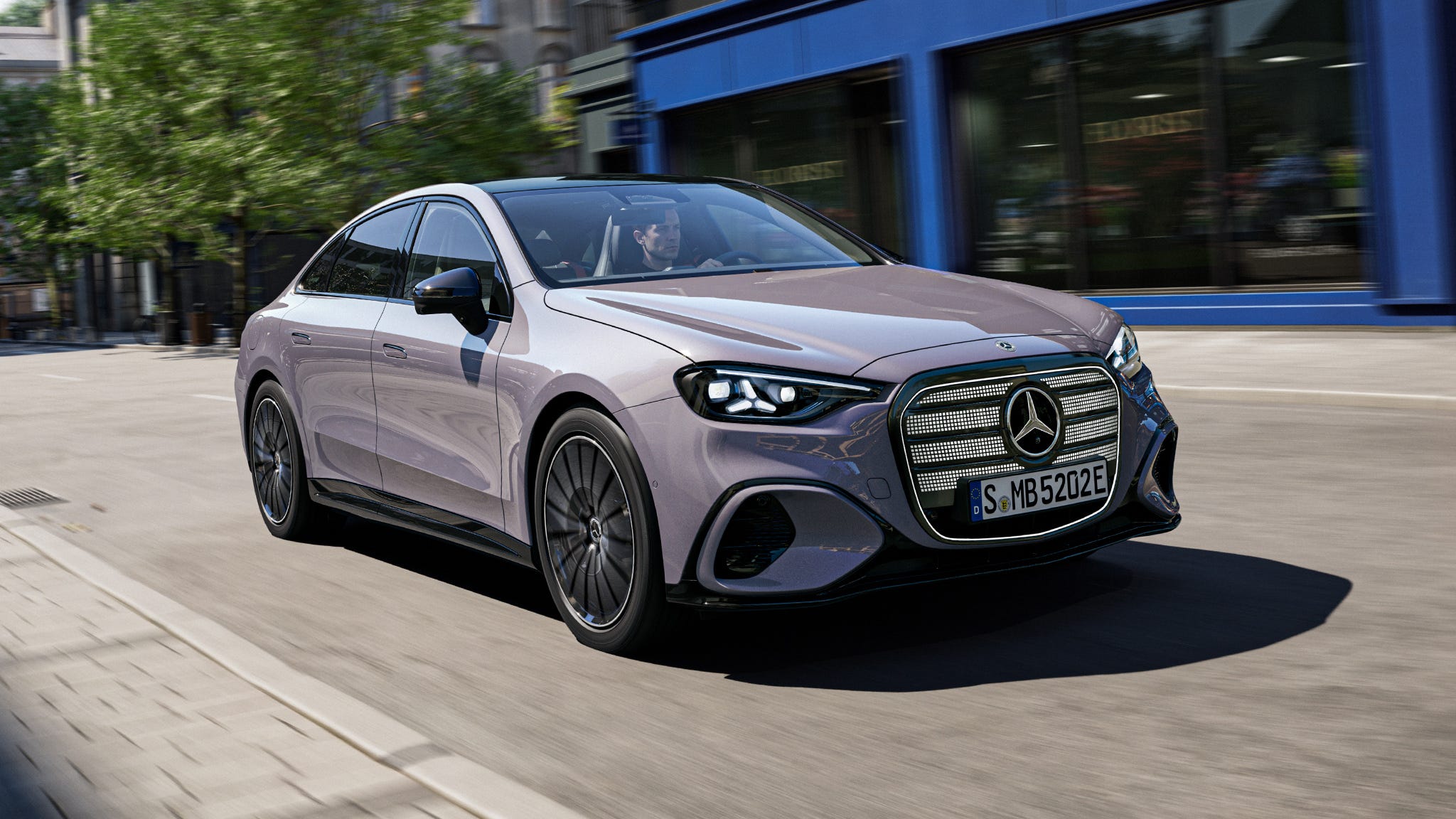
The interior is where Mercedes is making its clearest separation play. The optional MBUX Hyperscreen stretches 39.1 inches across the dash. A SKY CONTROL panoramic roof embeds 162 individually illuminated stars that match your ambient lighting color.
The wheelbase grows 3.8 inches over the outgoing combustion C-Class, translating into more legroom and a cabin that Mercedes describes, repeatedly, as a “sanctuary.” Whether customers want a sanctuary or simply a car that works brilliantly remains the open question.
Mercedes has layered in a subscription-friendly architecture through MB.OS. Distance Assist DISTRONIC, Navigation with Electric Intelligence, and advanced driver assistance features are all listed as “Digital Extras” — corporate shorthand for features that may cost extra after purchase. Over-the-air updates will keep the car current, but the monetization strategy baked into the bones of this vehicle is unmistakable.
The company is betting customers will pay once for the car and then keep paying for the software. It’s a familiar Silicon Valley playbook, and luxury automakers have had mixed results borrowing from it.
The design trades the C-Class’s traditional three-box formality for a coupe-like fastback silhouette with GT-inspired rear proportions and a drag coefficient starting at 0.22. An optional illuminated grille with 1,050 light points replaces the classic chrome. Whether it retains the understated authority that made the C-Class a default choice for lawyers, mid-level executives, and anyone who wanted prestige without shouting will depend on what it looks like in a parking garage at 7 a.m.
The thermal management story is genuinely interesting. Mercedes claims the cabin heats twice as fast as a combustion C-Class in 19-degree Fahrenheit weather, using half the energy, thanks to a multisource heat pump. That’s a direct answer to the most persistent real-world EV complaint, and it suggests serious engineering work beneath the marketing gloss.
Stuttgart is not hedging here. There is no “and a hybrid version will follow” footnote. The C-Class is going electric, full stop, in a market where EV adoption has slowed from its pandemic-era sprint and where plug-in hybrids are enjoying a quiet renaissance.
Mercedes is betting that by 2027, the math will have shifted enough — in charging infrastructure, in battery costs, in consumer confidence — to justify converting its single most important nameplate. If they’re right, this car redefines the segment exactly as promised. If they’re wrong, there’s no combustion safety net to catch the fall.

Share this Story