
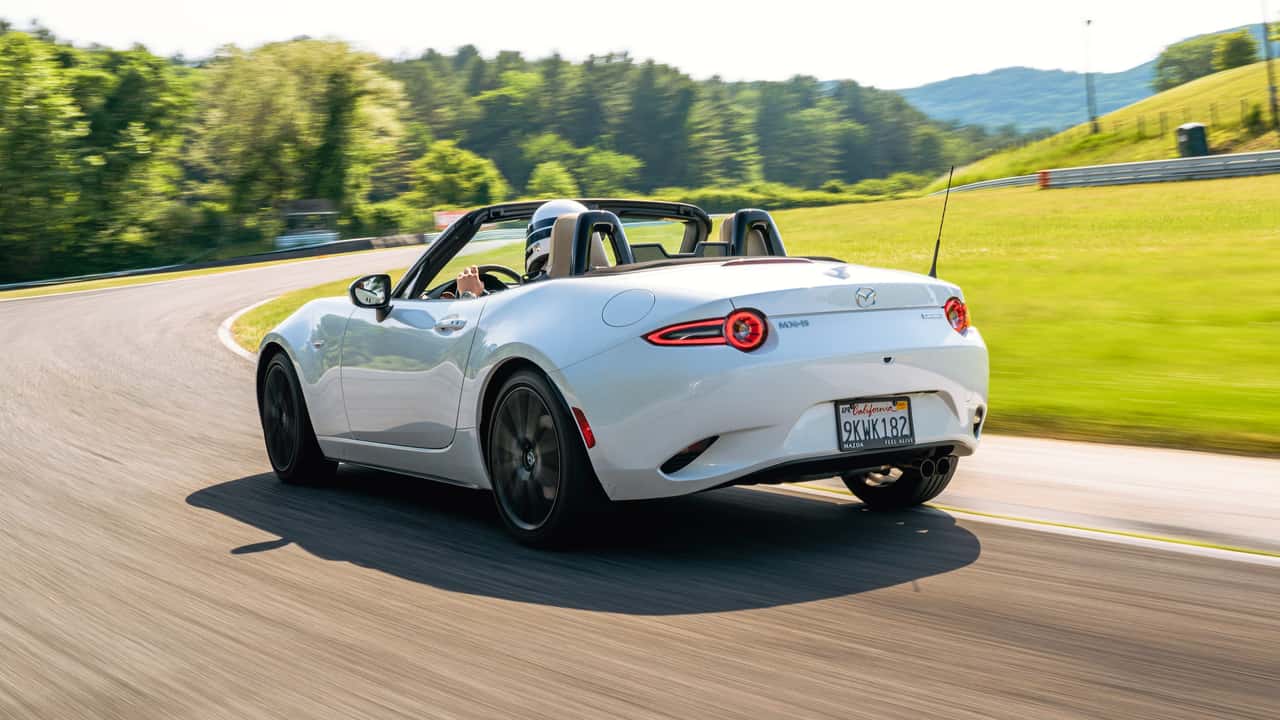


Roberto Pietrantonio, Managing Director of Mazda Italia, just told Motor1 Italy what every MX-5 owner wanted to hear: the next-generation Miata will not be a hybrid. No electrified powertrain. No added weight. No compromise to the formula that has made this car the best-selling roadster in history for over three decades.
That confirmation alone would be enough to make headlines. But the more revealing detail is how Mazda arrived at the decision.
Japanese engineers have been embedding themselves in MX-5 owner communities across Italy and around the world, sitting down with the people who actually drive these cars on track, on back roads, on daily commutes, and letting that feedback shape what comes next. “We’re fortunate to have extremely engaged customer groups that provided valuable feedback to our engineers, who are already working on the future of our icon,” Pietrantonio said.
No other automaker is doing this at this scale with a single nameplate. Not Toyota with the GR86. Not Porsche with the Boxster. Mazda is treating its grassroots community like a development partner, not a marketing demographic.
The timing makes this stance even more pointed. Heading into 2027, the industry is convulsing. Volkswagen is reportedly considering building a truck for the American market, BMW is turning its flagship sedans into rolling living rooms stuffed with screens, and everyone else is chasing electrification targets while wrestling with tariff exposure.
Mazda looked at all of that chaos and decided the smartest play for its most iconic product is to stay the course.
For a while, that wasn’t guaranteed. Mazda had publicly flirted with a hybrid Miata, and the enthusiast community collectively held its breath. A heavier, quieter MX-5 would have undermined everything the car stands for: lightness, balance, directness, joy.
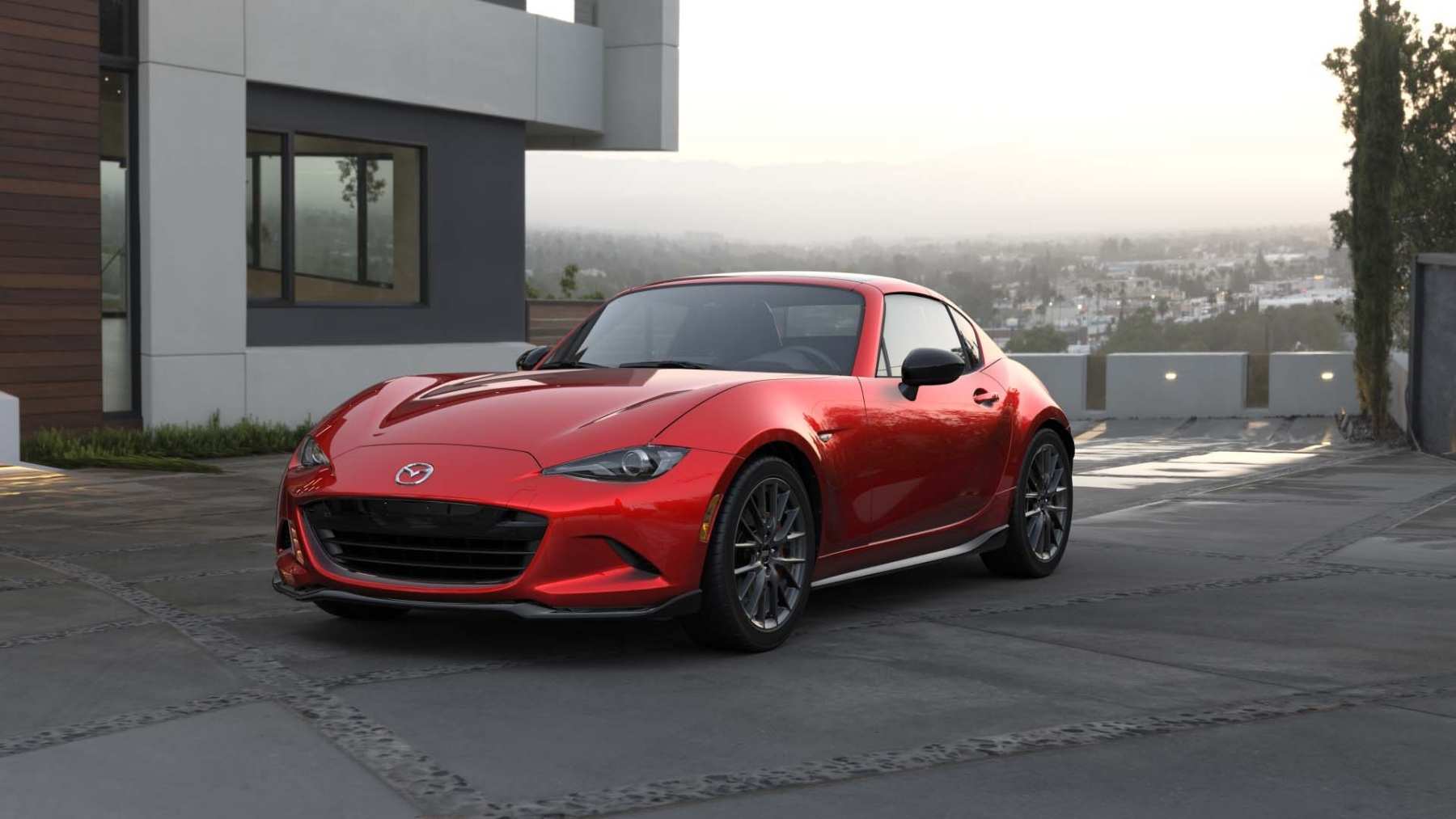
The hybrid idea is dead. And Pietrantonio’s language suggests Mazda understands exactly why it needed to die. I often say, even when cars can fly, the MX-5 will still put a smile on the driver’s face,” he said.
That’s not just a throwaway quote. It’s a corporate philosophy distilled into a single sentence. While competitors add complexity to justify price increases and regulatory compliance, Mazda is betting that simplicity itself is the product.
A sub-2,500-pound convertible with a naturally aspirated engine and a six-speed manual is not a relic. It’s a refuge.
The current ND Miata has crept past the $30,000 mark, which stings compared to the car’s budget-sports-car origins. But in a market where a base Porsche Boxster costs nearly $70,000 and the Toyota Supra starts above $58,000, the MX-5 still occupies a price bracket that no one else is willing to touch with a rear-drive convertible.
There are legitimate questions about how long Mazda can hold this line. Emissions regulations are tightening globally. The company’s volume is small enough that every model has to justify its existence on the balance sheet.
But Mazda has sustained the Miata through four generations, multiple economic downturns, and an SUV-obsessed market that should have killed it years ago. The car survives because it does one thing better than almost anything else on the road: it makes driving feel like the point, not the chore.
The next generation will apparently keep doing exactly that. No hybrid. No flying. Just a small, light, analog sports car that trusts the driver more than the software. In 2025, that qualifies as radical.
Share this Story