
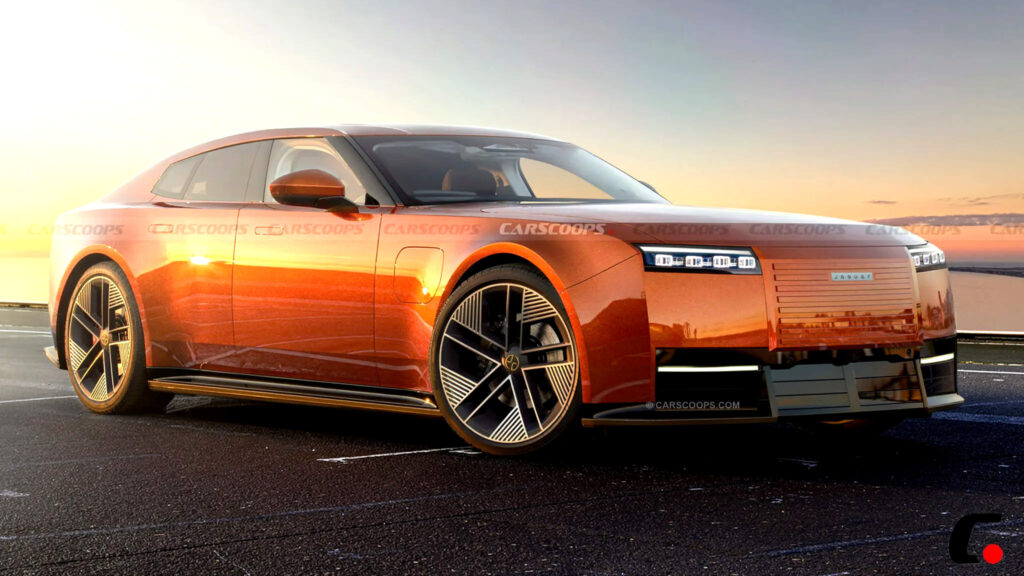


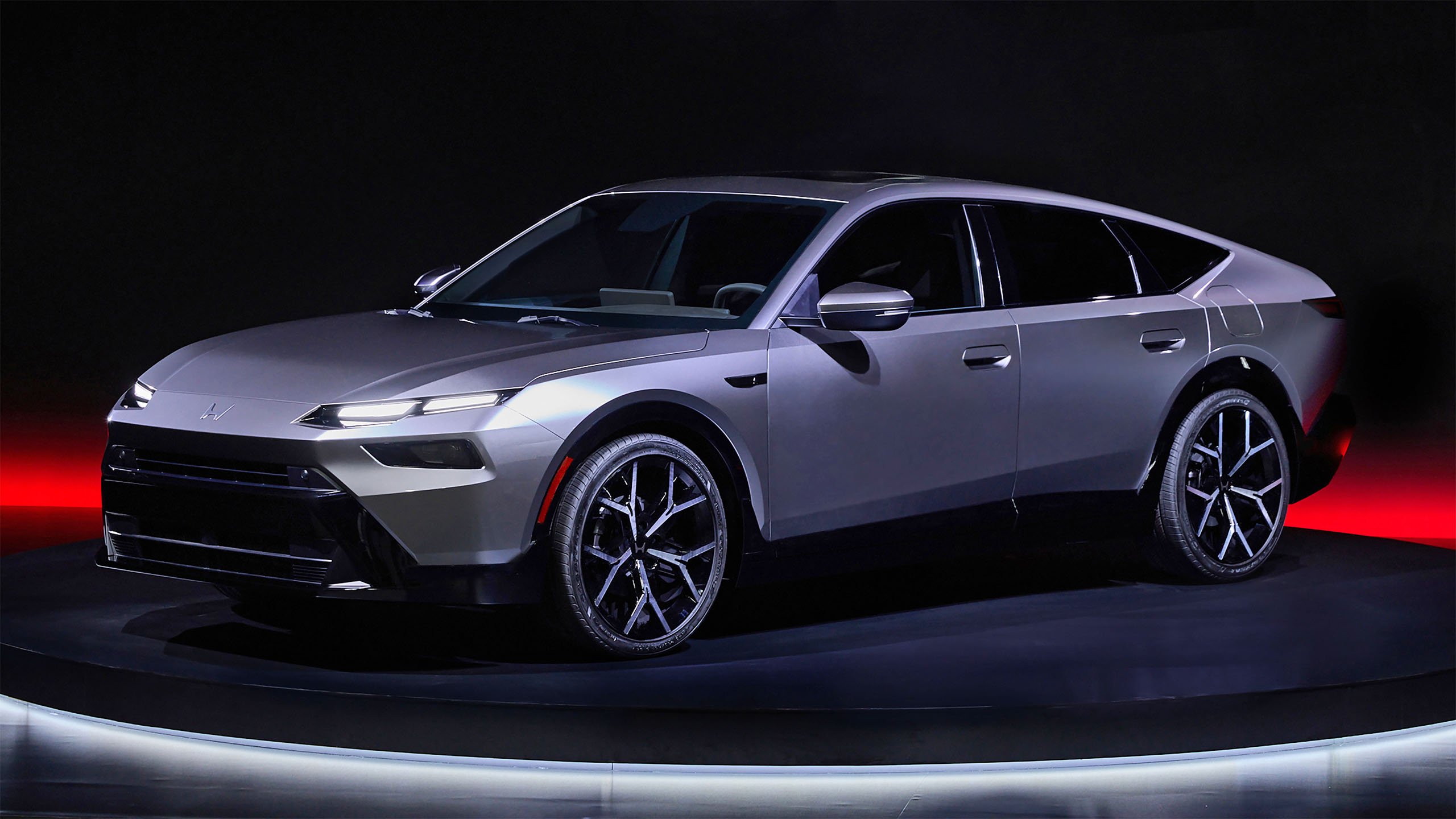
The car Jaguar has been teasing, provoking, and polarizing the world with since 2024 will finally get a proper name on May 12. The Type 00 concept, internally coded X900, is about to shed its placeholder identity as the British brand lurches toward a September reveal and early 2027 customer deliveries.
According to Autocar India, Jaguar will confirm the production name next Tuesday and may drop additional details alongside it. What that name will be remains anyone’s guess, though Jaguar’s naming history — XJ, XK, F-Type, a parade of alphanumeric codes — suggests we should temper expectations for anything poetic.
The name is the easy part. The hard part is everything else Jaguar is attempting with this car, which amounts to a full-blown identity transplant. The company gutted its branding, killed off its entire lineup, and staked its future on a single ultra-luxury electric grand tourer priced potentially as high as $160,000.
The target isn’t BMW or Mercedes. It’s Rolls-Royce and Bentley. That’s either visionary or delusional, and we won’t know which for at least another year.
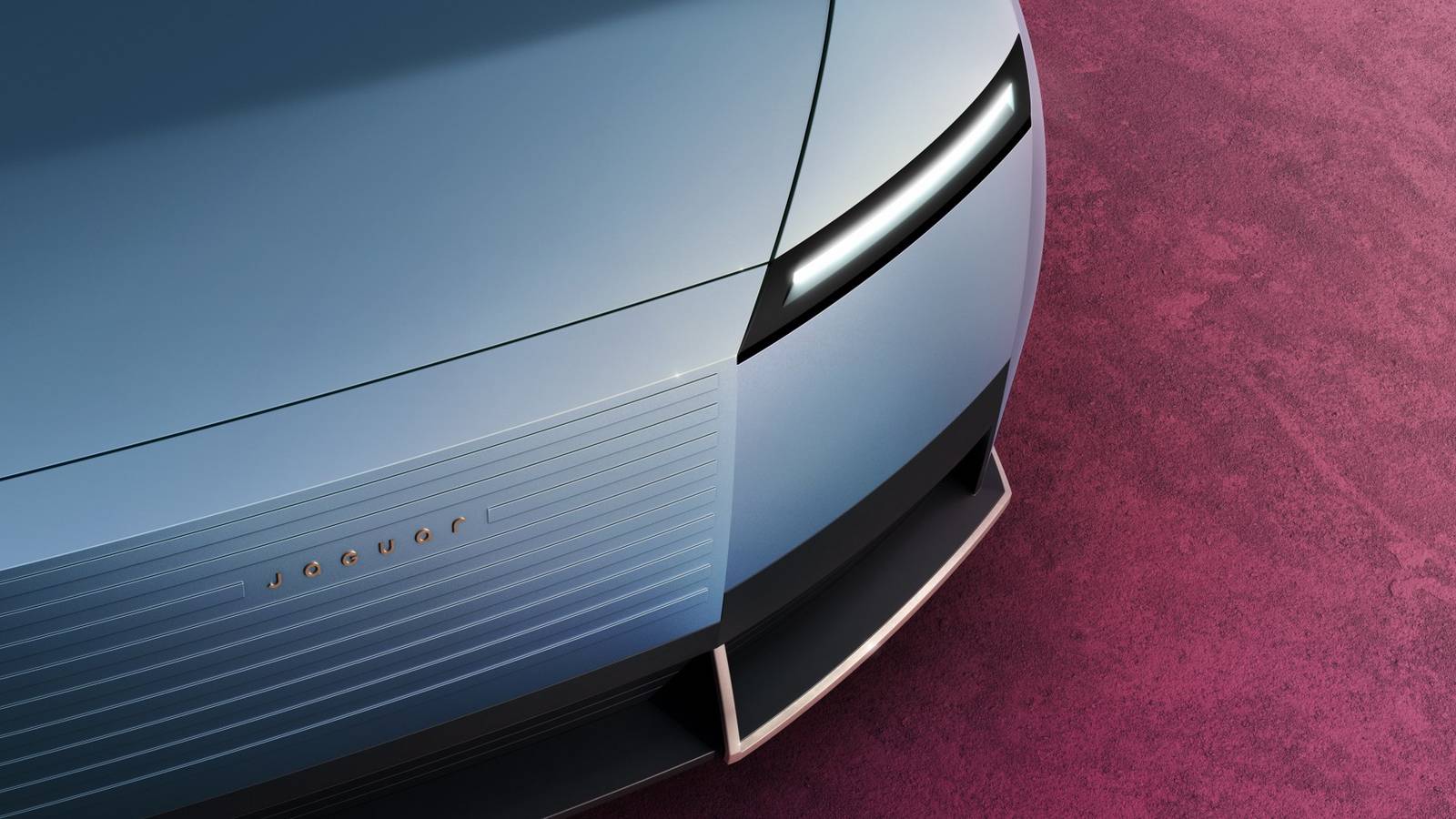
The hardware, at least on paper, backs up the ambition. Three electric motors producing around 1,000 horsepower, a 120-kWh battery pack, roughly 480 miles of range per charge, and the ability to recoup 200 miles in 15 minutes on a DC fast charger. Two motors sit up front, one large unit at the rear handling the bulk of the work.
British journalists who experienced the powertrain late last year reported that Jaguar tuned it for linear, refined power delivery rather than the gut-punch launches that have become EV party tricks. Ferrari is taking the same approach with its upcoming Luce EV, which tells you something about where the luxury segment is heading.
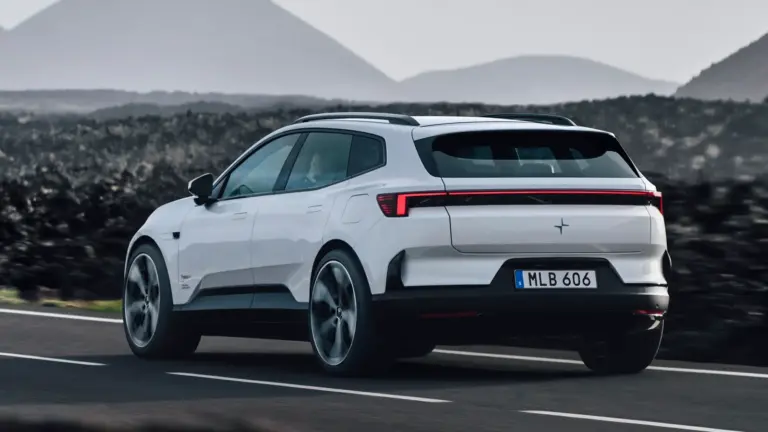
Spy shots confirm the production car hews closely to the concept’s dramatic proportions — long hood, rear-set cabin, low fastback roofline — stretched slightly to accommodate four full-size doors. It rides on 23-inch wheels. A solid rear panel replaces the traditional backlight, Polestar 4 style, with a camera feed piped to interior screens.
The cabin features a rectangular steering wheel center section that gives it a stark, two-spoke appearance. Jaguar has also promised paint technology that makes the body appear to glow, which is exactly the kind of detail that either delights or infuriates depending on your tolerance for theater.
There will be no hybrid version. Jaguar has flatly denied that rumor. This is an all-electric play, full stop, at a moment when even Rolls-Royce has resorted to discounting the Spectre to move units.
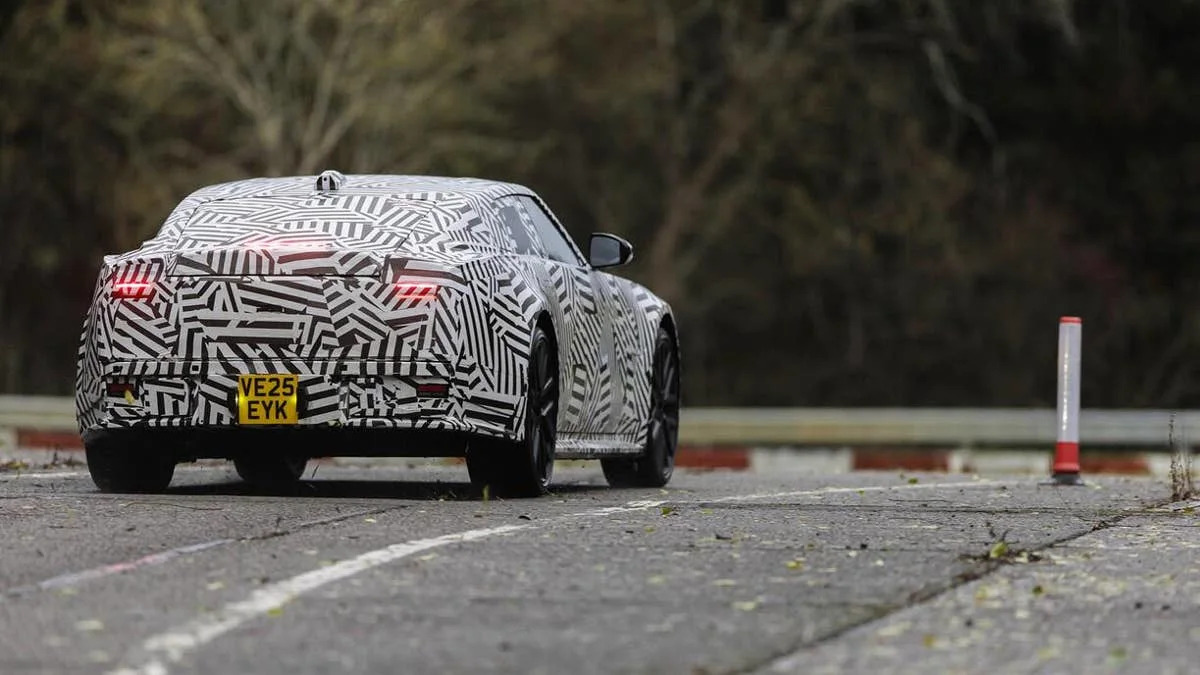
Adaptive air suspension and torque vectoring round out a chassis package designed to split the difference between grand touring comfort and genuine handling. Jaguar needs both if it wants credibility in the rarefied air above $100,000, where buyers have zero patience for compromise and infinite alternatives.
The September reveal will be the real test. A name is just a name. But Jaguar has been operating without a competitive product lineup for so long that even a name announcement counts as forward progress.
The company has burned through an extraordinary amount of goodwill and patience — from dealers, from enthusiasts, from its own parent company JLR, which has its own headaches at the Solihull plant. Jaguar is betting that one spectacular car can restart a brand. Next Tuesday we learn what they’ll call it, and sometime next year we learn whether anyone will buy it.

Share this Story