
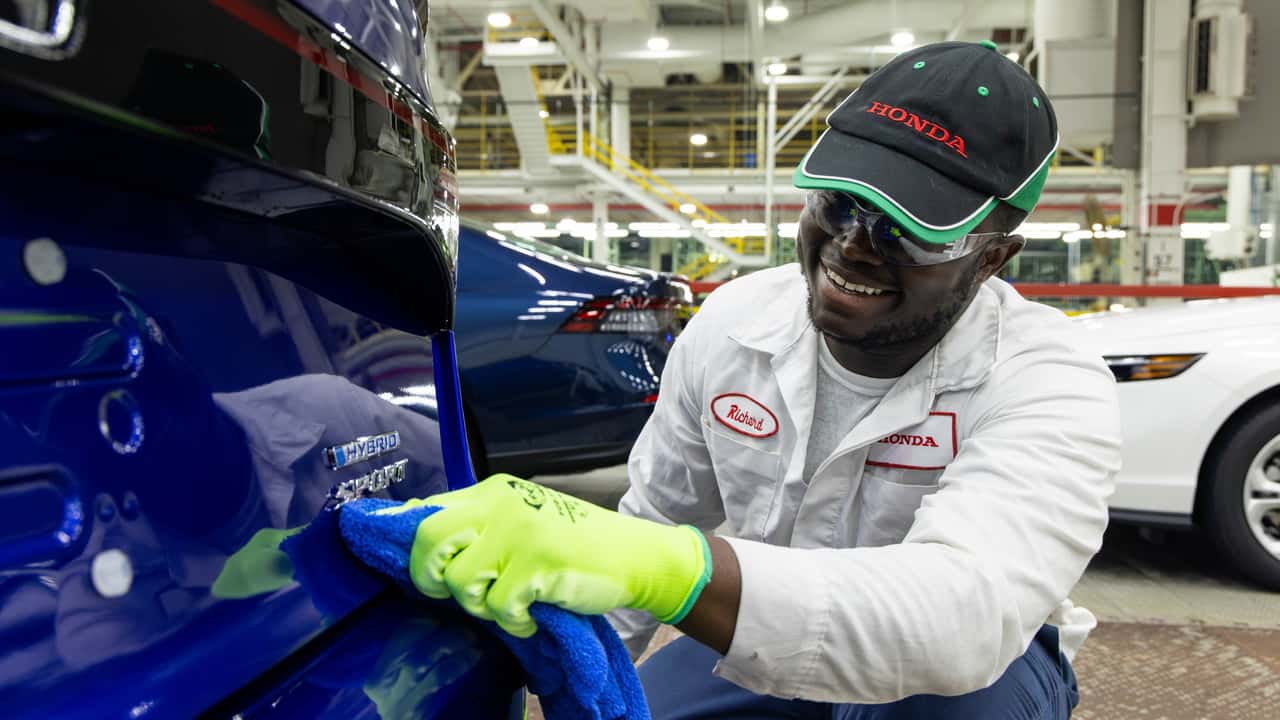


Honda will spend roughly $3 billion on a fourth Ohio assembly plant built to make 240,000 vehicles a year. It has not said which vehicles.
That gap matters most. The money is committed, the jobs are counted and the site is chosen, but the product plan rests on a single anonymous source.
Honda confirmed the investment on November 9. A day later, Governor Mike DeWine’s office, JobsOhio, One Columbus and Union County announced it jointly, the kind of four-party rollout states reserve for projects they want voters to remember.
Ohio’s math runs larger than Honda’s. Officials put the full commitment at $3.38 billion by folding in upgrades to the Anna Engine Plant and Honda Transmission Plant-Ohio, for a combined 2,390 jobs statewide.
The new factory will sit between East Liberty and Marysville, in the corridor Honda has worked for decades. Production is targeted for 2029, pending final government approvals.
At full output, the plant lifts Honda’s U.S. auto-production capacity to about 1.3 million vehicles a year. That is a serious domestic footprint for a company that once imported nearly everything it sold here.
The engineering bet is clearer than the product bet. Honda says the transmission plant is already being retooled for two next-generation hybrid systems covering compact, midsize and larger North American models.
Hybrid-system capacity there is expected to climb 250 percent in the coming years. That lines up with Honda’s plan to launch 15 new Honda and Acura hybrids globally by 2030.
The assembly line itself is built to hedge. Honda says it will handle hybrid, gasoline and battery-electric powertrains on the same line.
Put simply, Honda is pouring concrete for 2029 without betting that line on any single answer about what Americans will buy.
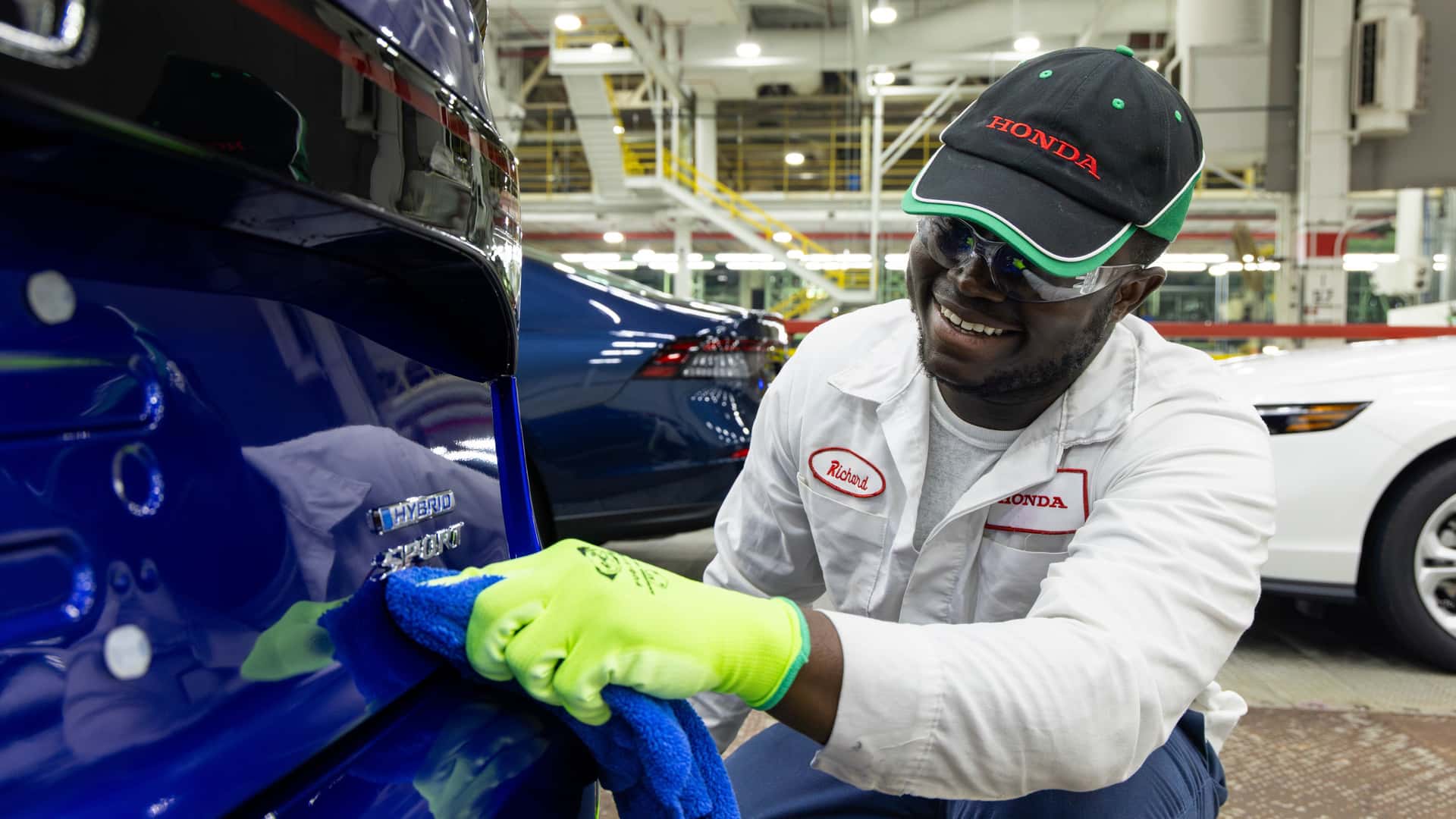
Flexible plants are how automakers buy time. They also let a company announce jobs and capacity long before it has to announce anything a customer can drive.
According to one person briefed on the plan who spoke to Automotive News, the vehicles are expected to include the next-generation Acura MDX and two new flagship crossovers. Honda declined to confirm specific models for the site.
The report fits Acura’s public roadmap. The brand has said it wants more SUVs than it currently sells, including a three-row model built for rougher terrain than anything in today’s lineup.
Acura has also pointed toward an eight-passenger flagship. Honda’s trademark filings have hinted at where the broader lineup heads next.
None of that confirms what rolls out of Union County. It does show where the company keeps steering: bigger, three-row, hybrid-capable vehicles built close to the buyers who pay for them.
The MDX is the logical anchor. It has carried Acura’s SUV business, and keeping its next generation in Ohio keeps the brand’s most visible product on American soil.
For now, that remains a report. Honda has put a dollar figure, a job count and a start year on the table, and left the badge on the tailgate blank.
The company first flagged interest in a Central Ohio hybrid plant months before this week’s announcement. It took that long to attach a number to the timeline.
The next thing Honda owes Ohio is a model name. The approvals still have to clear, and 2029 is a long wait for a plant whose jobs have already been announced.
Share this Story