
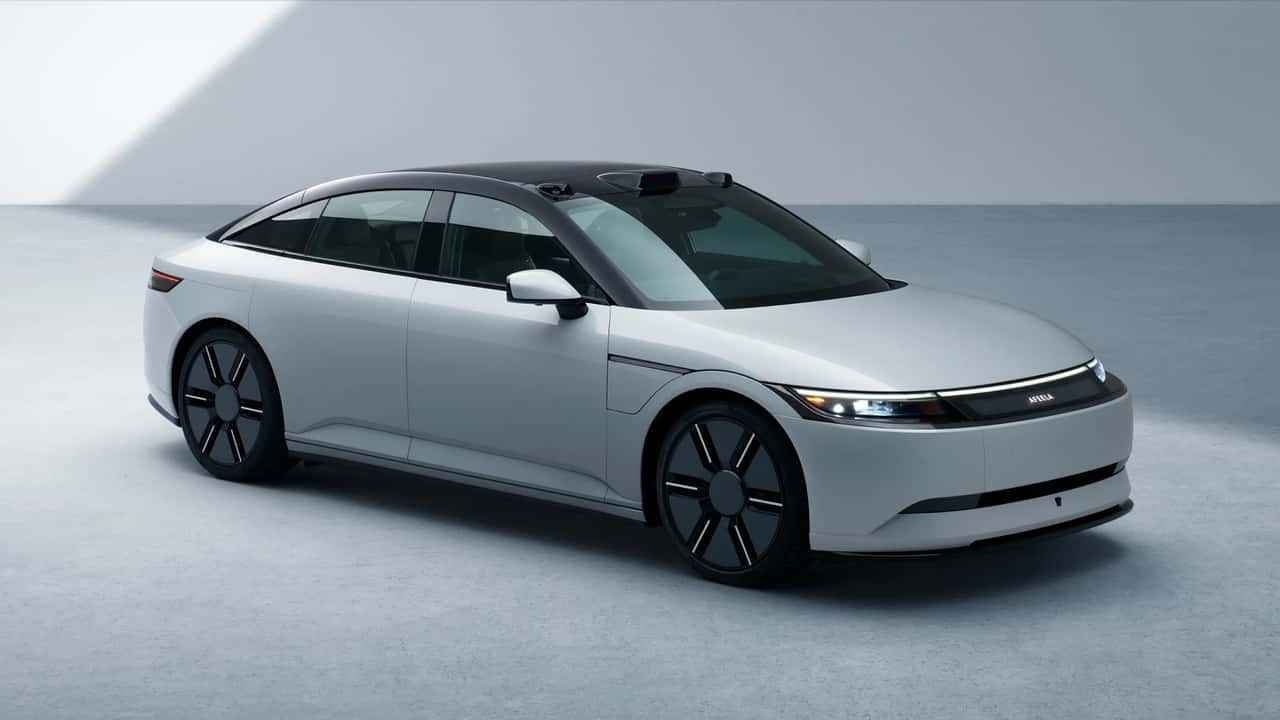


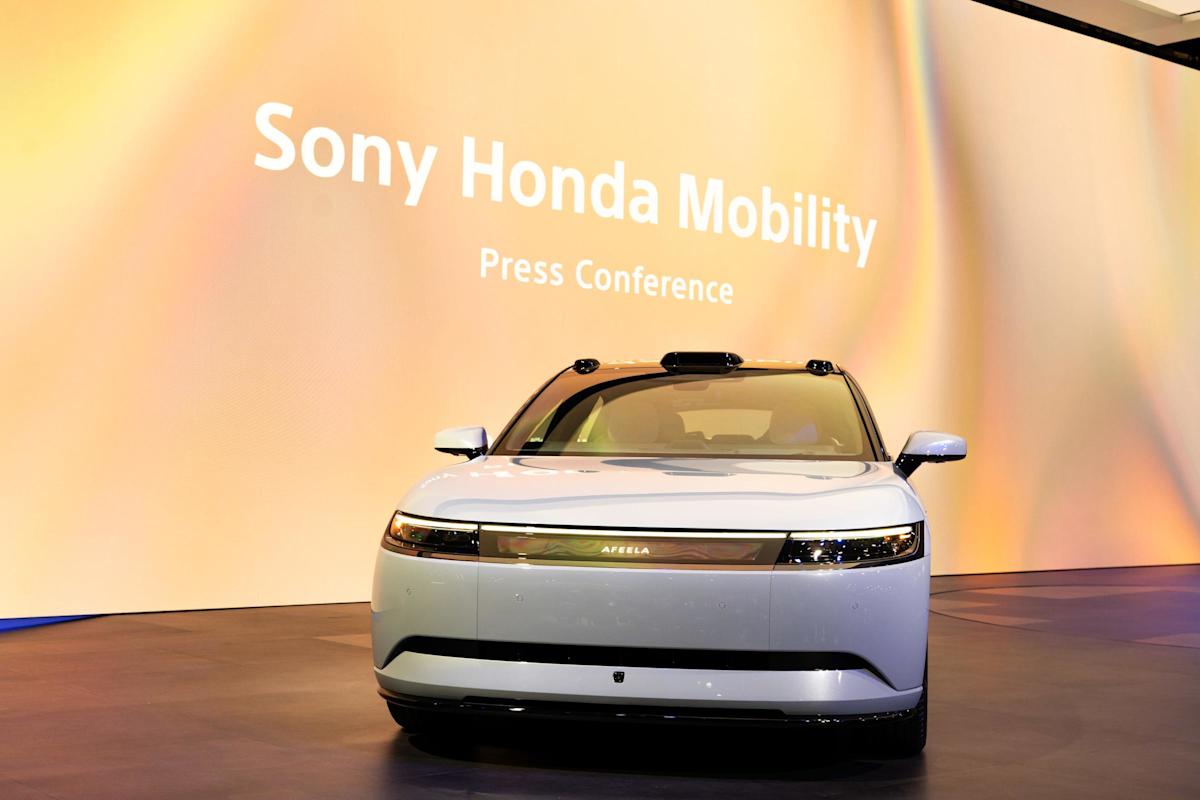
Sony Honda Mobility killed both its Afeela electric vehicles on Tuesday, axing the sedan and SUV before a single customer ever took delivery. Pre-production cars were already rolling off the line at Honda’s Ohio plant. It didn’t matter.
The joint venture, barely four years old, said it would discontinue the development and launch of the Afeela 1 sedan and its SUV sibling, citing Honda’s sweeping reassessment of its electrification strategy announced on March 12. The two companies said they would review the venture’s business direction and announce future plans at the earliest possible opportunity. That’s corporate Japanese for: don’t hold your breath.
This wasn’t a bolt from the blue. Two weeks ago, Honda posted what could amount to $15.7 billion in writedowns after canceling its own 0 Series sedan and SUV, plus the reborn Acura RSX. Three dead EVs from Honda proper, and now two more from its partnership with Sony. That’s five electric vehicles scrapped in the span of a month from a single automaker’s orbit.
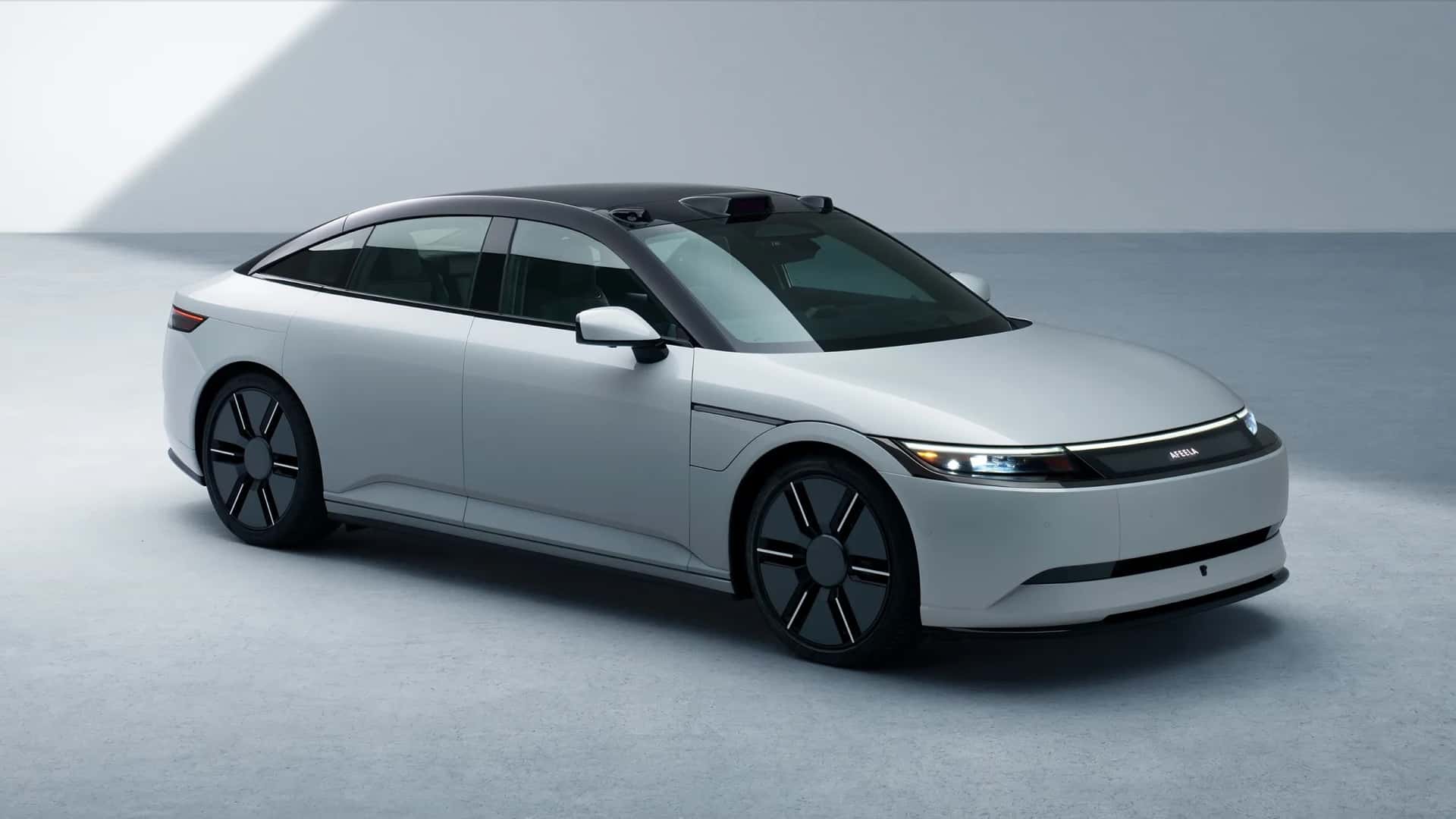
The Afeela 1 Signature was priced at $102,900. The Origin trim, at $89,900, was supposed to follow in 2027. Neither will exist. Customers who put down early deposits will get refunds.
Sony first teased this car at CES in January 2020 with its Vision-S concept. Six years of development, trade show appearances, breathless demonstrations of in-car entertainment ecosystems, and a partnership with one of Japan’s biggest automakers produced exactly zero production vehicles. The sedan that emerged looked polished on convention center floors but, as critics noted at CES this past January, dated and overpriced against a market that had sprinted past it.
The SUV variant barely registered. Sony’s own statement didn’t even name it, referring only to a “second model.” That tells you how far along it really was.
Sony now joins Apple in the growing club of legacy tech giants that tried to crack the car business and walked away empty-handed. Apple burned a decade and billions before pulling the plug in 2024. Sony at least got to the pre-production phase, which arguably makes the retreat more painful, not less.
Automakers almost never kill a car once it’s being assembled, even in limited numbers. The sunk costs are staggering.
Honda and Sony insist this won’t materially affect either company’s financials. That’s a curious claim given Honda is already staring at its first annual loss as a public company in nearly 70 years. The Afeela cancellation piles onto a balance sheet already buckling under the weight of EV retreat.
The backdrop is familiar by now. Trump-era rollbacks of federal EV tax credits, escalating tariffs, and softer-than-expected demand in both North America and Europe have automakers running scared. Ford has booked massive EV writedowns. Stellantis has done the same. Honda is simply the latest to flinch, but few have flinched this hard or this fast.
What stings most is that Honda’s own 0 Series cars looked genuinely ambitious — clean, distinctive designs that signaled a company ready to compete with BMW’s Neue Klasse and the best from China. Instead, Honda killed the bold bets and kept the forgettable crossovers. The Afeela, meanwhile, was the tech-forward moonshot that never left the launchpad.
Both companies say they remain committed to each other and to contributions to the future of mobility. But the future of mobility, as Honda now defines it, apparently doesn’t include the vehicles they spent four years and untold billions developing. The joint venture isn’t officially dead. It just has no cars, no timeline, and no stated plan. Draw your own conclusions.
Share this Story