
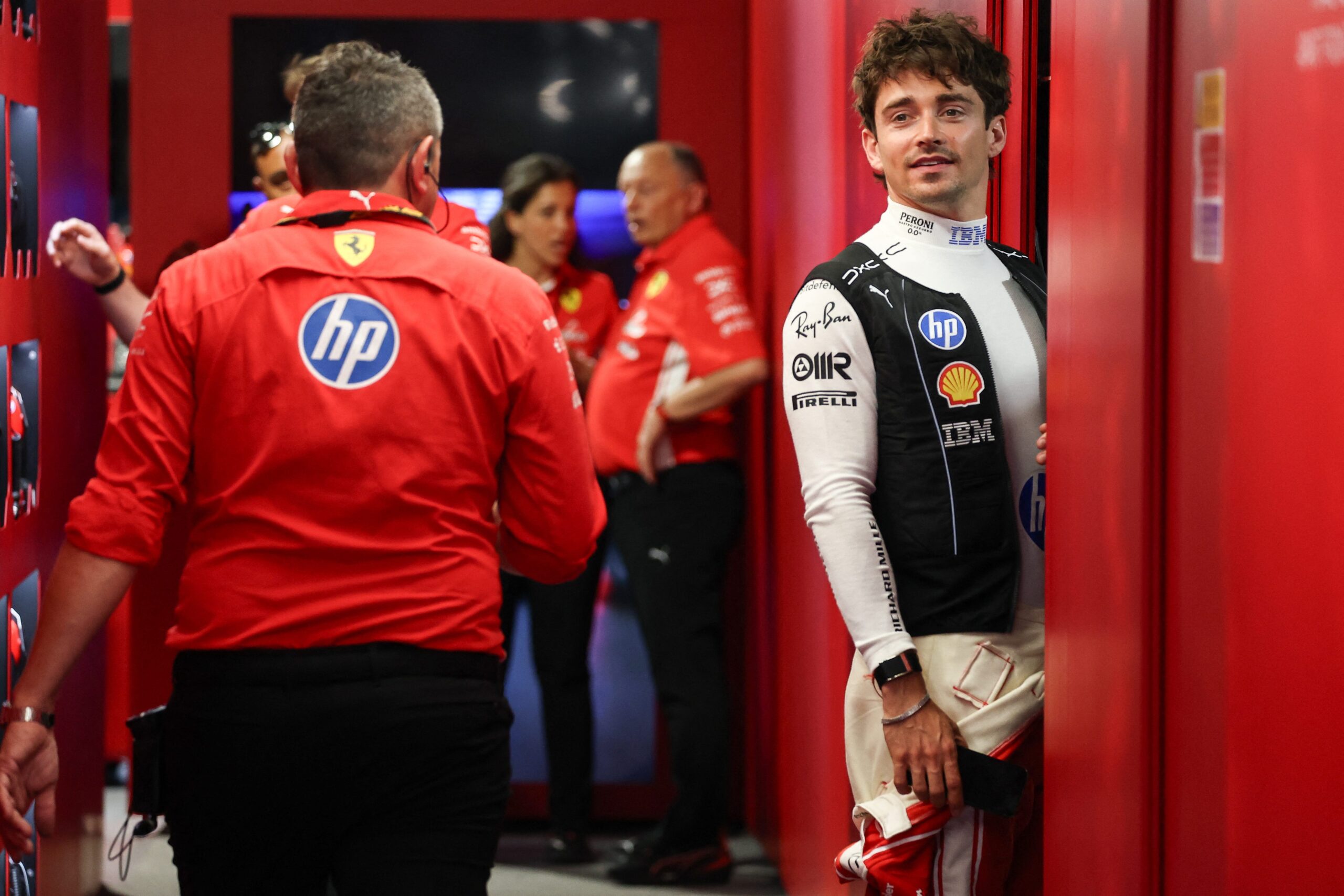


Six drivers, two virtual meetings, and a GPDA WhatsApp group chat. That’s how Formula 1’s recent power unit rule tweaks were shaped, with the people who actually drive the cars getting a say for what might be the first time in any meaningful way. As F1 returned to action in Miami on Friday after the long break since Japan, the real story wasn’t lap times — it was process.
The FIA convened a small focus group last month — George Russell, Carlos Sainz, Lando Norris, Nico Hulkenberg, Charles Leclerc, and Max Verstappen — to discuss changes to the 2026 energy deployment regulations. One driver per team. A cross-section of power unit suppliers, no grandstanding, no 20-man shouting match.
Nikolas Tombazis, the FIA’s single-seater boss, deliberately kept it tight. The catalyst was safety. Oliver Bearman’s violent crash at Suzuka, triggered by closing speed differentials when he caught a slowing Franco Colapinto, forced the issue.
But once the door was open, the drivers pushed through it. They talked about more than just safety. They talked about how the cars feel, how qualifying has become a frustrating exercise in electrical management, how the 2026 regulations have stripped something essential from the driving experience.
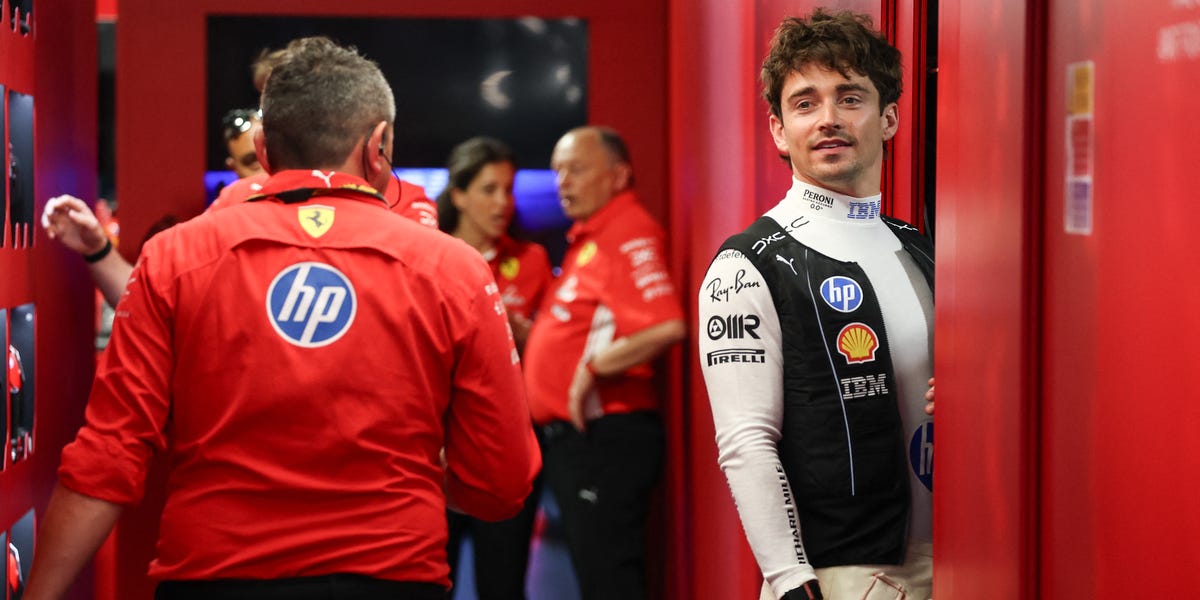
Leclerc said he “personally felt heard.” That phrase alone tells you how low the bar has been. He described a rare moment of driver unity: competitors hardwired to chase tenths of a second setting performance aside to talk about what an F1 car should actually feel like.
We really think about what we wanted as drivers, to drive those F1 cars, and for it to feel a bit more F1-like, especially in qualifying,” he said.
The two-meeting structure worked. Drivers spoke first, the FIA’s technical team crunched the numbers, then the group reconvened to refine the proposals. Verstappen missed the second session for GT commitments, but the changes were ultimately agreed with team bosses later that week.
But Lewis Hamilton isn’t satisfied with informal consultations. He wants a seat at the table — literally. “Being that we’re not stakeholders, we don’t have a seat at the table currently, which I think needs to change,” he said.
Hamilton pointed to Pirelli’s 2027 wet-weather tire development as a case study in dysfunction. He’s been testing the rubber himself, and his verdict was cutting: the feedback shaping those tires comes from “people who have never driven a car before.” His pitch is collaboration, not confrontation.
“We don’t want to be slagging off the Pirelli tires,” he said. “We don’t want to be slating our sport.”
The teams aren’t buying it. Ferrari boss Fred Vasseur cracked a joke — “We are still looking for the table!” — before politely arguing that drivers already have channels to be heard. The FIA’s position is similar: the GPDA exists, conversations happen, and formal representation on the F1 Commission would be a bridge too far.
Hamilton called it a broken record. Baby steps each time. Under Bernie Ecclestone, drivers were told to shut up and drive unless a barrier needed moving. The sport has evolved past that, clearly, but the gap between being consulted and having governance power remains enormous.
The 2026 tweaks worked as a proof of concept. A focused group, serious technical engagement, and changes that actually reached the rulebook in weeks rather than years. The real test comes when the 2031 regulations start taking shape.
Will the FIA pick up the phone again? Will the drivers get more than two Zoom calls and a pat on the back?
Hamilton has seven championships. Verstappen has four. Leclerc and Norris are the sport’s present and future. These aren’t rookies asking for favors. They’re the product, and the product is asking to help build a better one.
Share this Story