


Jalopnik asked its readers a simple question this week: what are the worst trends in new cars right now? The answers poured in, and they paint a damning portrait of an industry that has collectively forgotten who it’s building for.
Electric door handles topped the complaint list. Heavier, more failure-prone, and useless when a car loses power, they are, as one reader put it, “the ideal solution to a problem that doesn’t exist.” That sentence should be tattooed on every product-planning whiteboard in Detroit, Stuttgart, and Seoul.
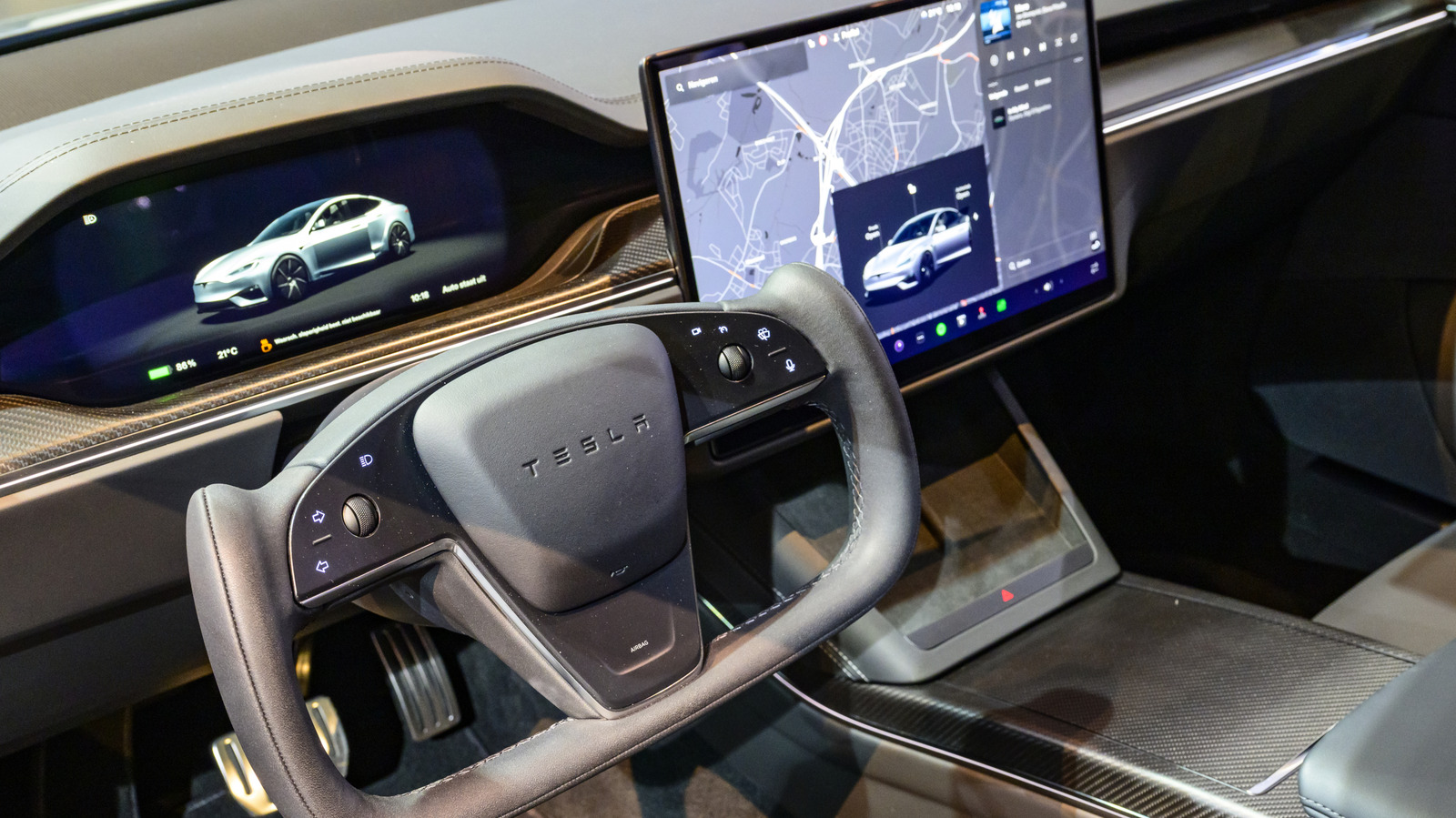
Touchscreens and capacitive buttons drew similar venom. Readers want physical controls they can operate without looking away from the road. The irony is rich: automakers spend billions on safety systems to compensate for driver distraction, then replace tactile knobs with slippery glass panels that demand your eyes leave the road.
Low-profile tires on everything from SUVs to sedans frustrated readers who’d gladly trade marginal grip for a ride that doesn’t crack a rim on a pothole. High beltlines with tiny windows angered others who remember when you could actually see out of a car without relying on a camera array. One commenter noted that a few brands still prioritize visibility, while most hide behind crash-testing excuses for doors the size of medieval ramparts.
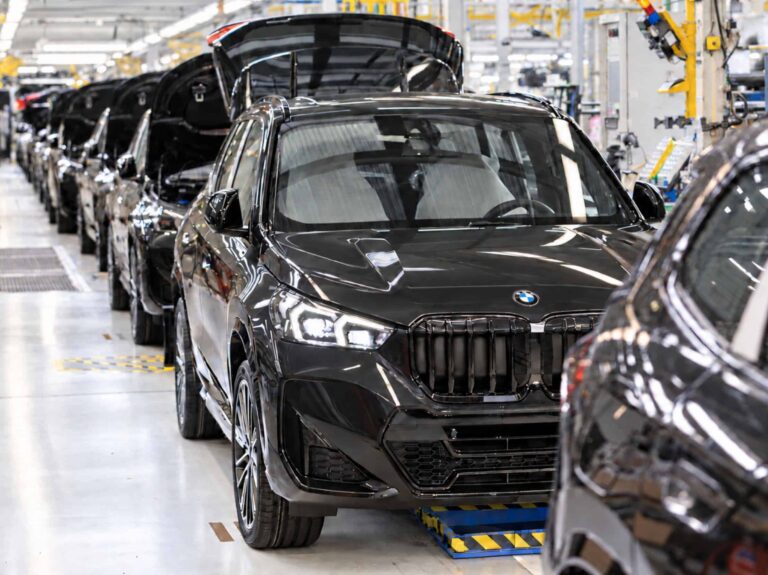
The subscription model earned particular contempt. Paying a monthly fee to activate heated seats that are already wired into your car is the kind of corporate logic that erodes brand loyalty one billing cycle at a time. BMW pioneered the idea and took the public beating for it, but the instinct to monetize hardware you’ve already sold is spreading.
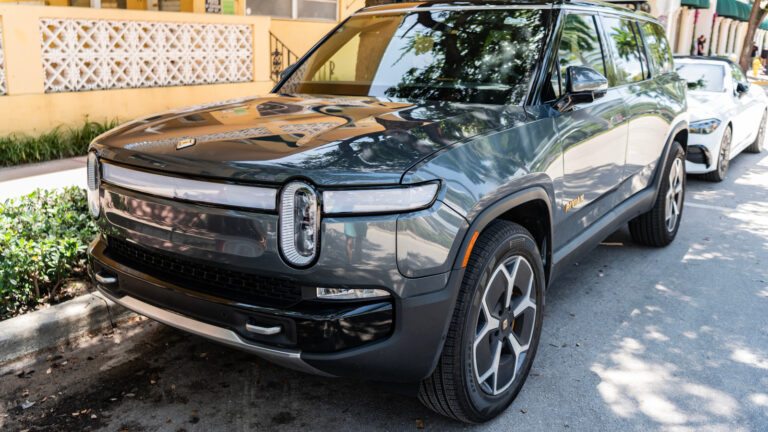
LED lighting excess got a thorough drubbing. Audi started the trend tastefully with the R8 and A8, but the industry ran with it until we arrived at light-bar grilles, illuminated badges, and LED streaks crawling up hoods like neon ivy. One reader pointed to Hyundai, Kia, and Genesis vehicles already rolling around with dead LEDs that cost a fortune to replace, destined to look tacky for the rest of their lives on the road.
Always-on instrument clusters drew a complaint that doubles as a safety warning. In the old days, a dark dashboard told you your headlights were off. Now gauges glow constantly, and drivers cruise through the night on daytime running lights alone, invisible from behind. The fix is obvious: mandate automatic headlights, and the fact that several manufacturers still sell cars without them in 2026 is baffling.
Then there’s the creeping expectation inflation. One reader made the sharpest observation of all: we demand luxurious interiors, heated steering wheels, and six-speed gearboxes in base models, then complain there are no cheap cars left. A vintage Ferrari California’s cabin would look bargain-bin next to a modern Civic. We say we want simple and affordable, but we walk past it on the showroom floor every time.
Gratuitous sport badging rounded out the list. Slapping “Sport” on a Subaru Crosstrek that loses a drag race to an e-bike isn’t aspirational branding. It’s a lie in chrome letters.
The thread between all of these complaints is a single failure. Automakers are adding complexity, cost, and fragility in places where none was needed, while subtracting the things that made cars intuitive to use: visibility, simplicity, tactile feedback. Every flush door handle, every capacitive climate button, every subscription paywall represents a choice to prioritize showroom novelty over the daily experience of the person who actually has to live with the car.
Readers aren’t asking for the impossible. They want doors that open, buttons they can feel, windows they can see through, and lights that know when to turn on. The fact that this now qualifies as a wish list tells you everything about where the industry’s priorities have drifted.
Share this Story