
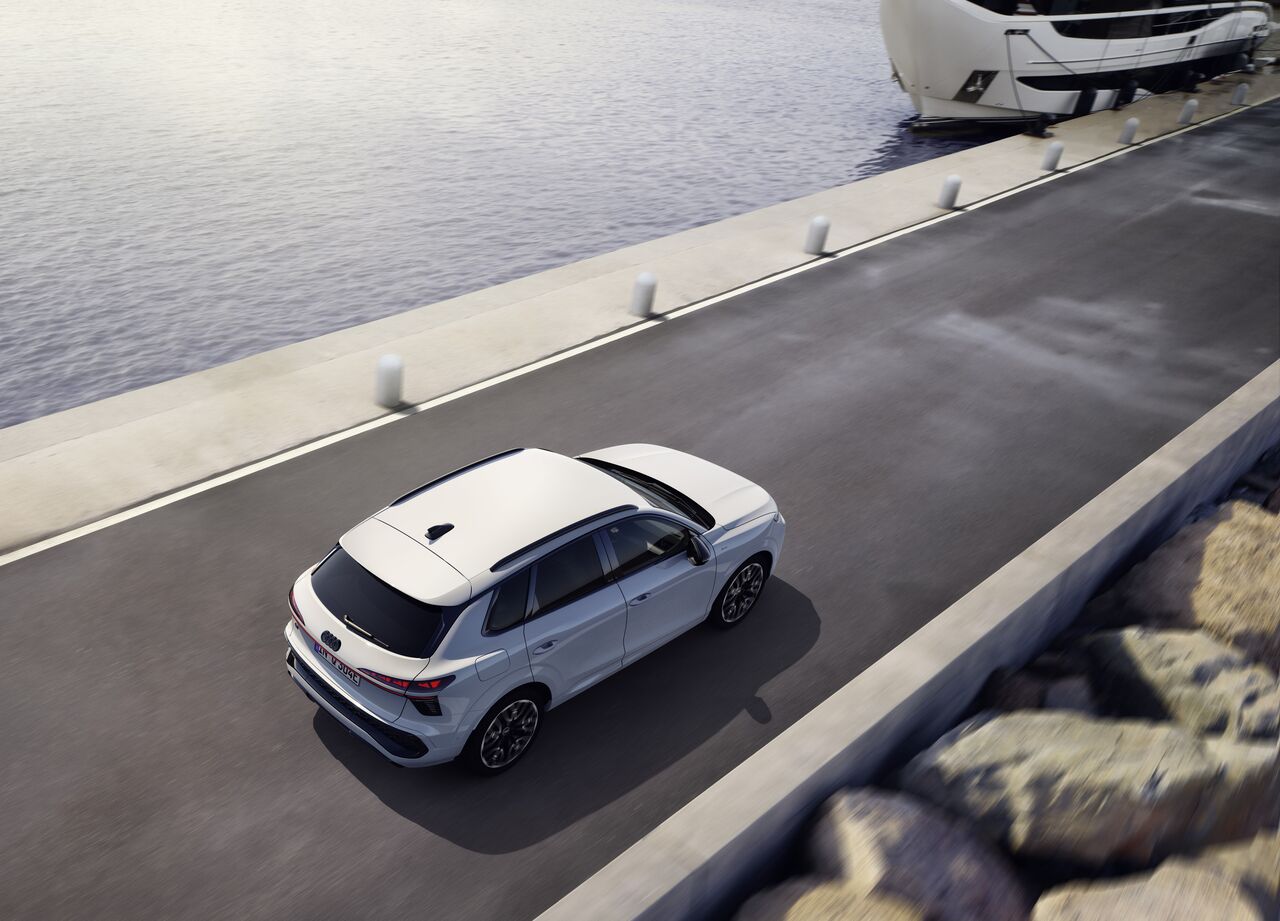


Audi sold more plug-in hybrids in the first quarter of 2026 than anyone expected — nearly 160 percent more than the same period a year ago. At the same time, deliveries of fully electric vehicles slipped to around 42,000 globally, dragged down by subsidy cuts in the United States and China.
That single data point tells you everything about where the premium market is headed right now, and it isn’t where Audi planned.
The company reported Q1 revenue of 14.2 billion euros, down roughly 8 percent year over year. Operating profit, however, climbed nearly 10 percent to 588 million euros, pushing the margin to 4.2 percent from 3.5 percent. Cost discipline did the heavy lifting.
Net cash flow swung dramatically, from negative 61 million euros a year ago to positive 883 million euros, thanks largely to tighter working capital management.
CFO Jürgen Rittersberger didn’t sugarcoat the situation. “Certainties of the past — such as stable sales markets and predictable conditions — no longer apply,” he said. Our performance clearly shows that we need to act urgently.
Total group deliveries across the Audi, Bentley, and Lamborghini brands fell 6.1 percent to 364,877 vehicles. The Audi brand alone delivered 360,106 cars, with electrified models — both BEVs and PHEVs combined — accounting for 20 percent of the total.
The regional picture is brutal in its unevenness. Europe excluding Germany grew nearly 6 percent. Germany itself rose almost 4 percent, with EV deliveries there surging 41 percent.
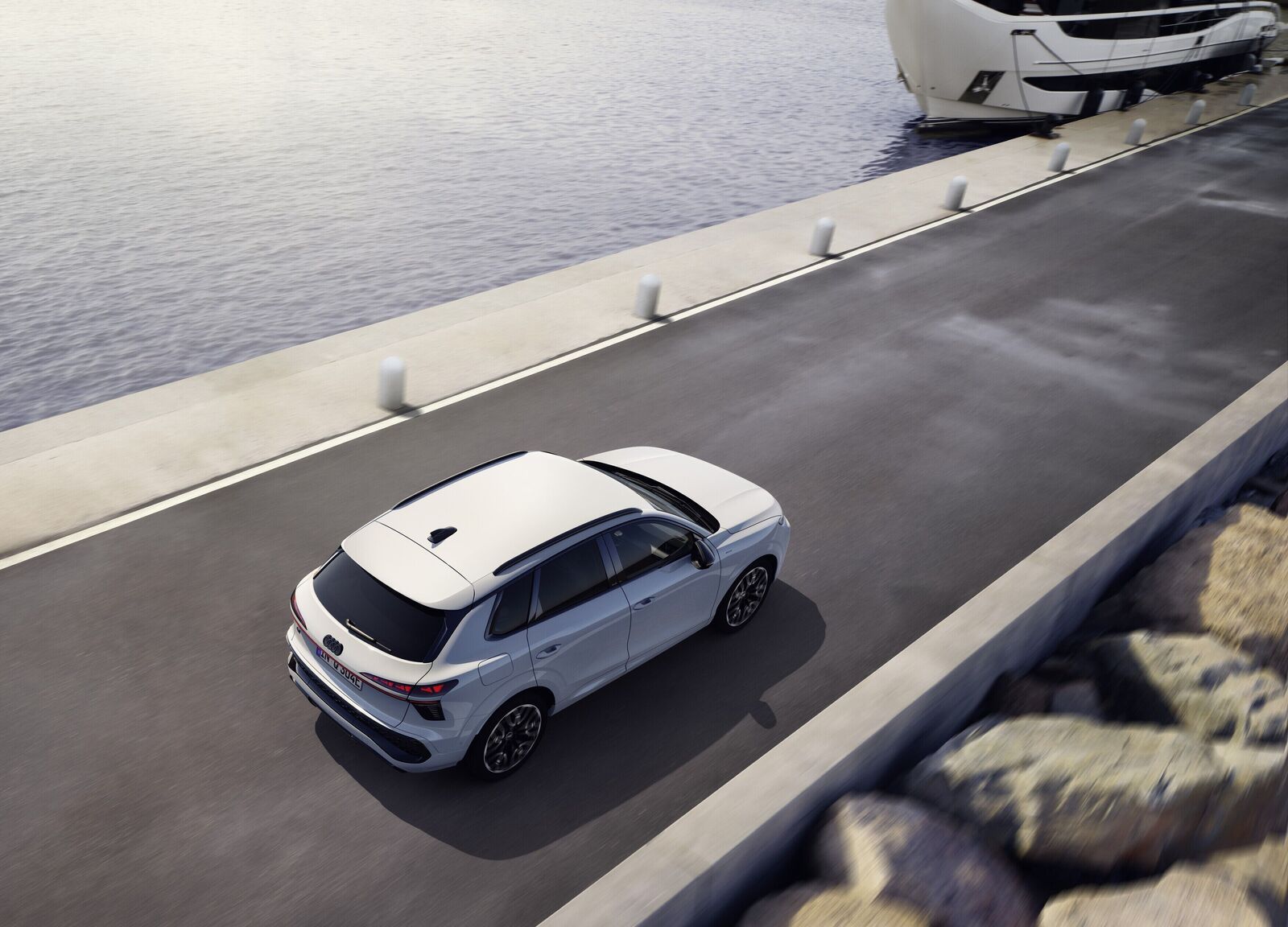
North America cratered 27 percent to just 35,464 vehicles, hammered by U.S. tariffs and the death of federal EV subsidies. China fell 12 percent to 127,109 units amid fierce local competition and macroeconomic headwinds, though fully electric deliveries there actually jumped 28 percent.
CEO Gernot Döllner effectively declared the era of the global world car dead. “Market-specific solutions and models are a necessity,” he said. The strategy is already visible.
A China-exclusive AUDI E7X was unveiled at Auto China in Beijing. The Audi Q9, a full-size SUV built for North American tastes, arrives this summer. The Audi A2 e-tron, an affordable electric model designed and built in Europe, follows in fall.
The company plans to launch more models across every powertrain type throughout 2026, including a new Q7 and an updated Q4 e-tron, plus several vehicles exclusively for the Chinese market. You can’t sell the same car the same way in Stuttgart, Shanghai, and San Antonio anymore.
Bentley’s quarter was ugly. Revenue dropped to 462 million euros from 661 million, and the brand posted an operating loss of 26 million euros — a staggering fall from the 71 million euro profit it booked a year ago. U.S. tariffs and restructuring costs did the damage.
Lamborghini held up better, generating 200 million euros in operating profit at a 23.1 percent margin, still exceptional but down from 27.7 percent. Ducati’s margin was halved to 3.5 percent.
Audi’s full-year guidance remains unchanged: revenue between 63 and 68 billion euros, an operating margin of 6 to 8 percent, and net cash flow between 3 and 4 billion euros. That forecast is pegged to the tariff landscape as of late April — a caveat that tells you management knows the ground could shift again at any moment.
The numbers reveal a company caught between two transitions at once. The shift to electric isn’t happening on the timeline anyone drew up three years ago. And the geopolitical fracturing of global trade is forcing Audi to essentially become three or four regional companies wearing one badge.
Plug-in hybrids were supposed to be a bridge technology. For now, they look more like load-bearing walls.
Share this Story