


Gernot Dollner doesn’t hedge like most automotive executives. Sitting at a media roundtable in Austria ahead of the 2027 RS5 launch, the Audi CEO told The Drive flatly: “I’m a big fan of the V8.”
That’s not the kind of sentence you hear from European luxury car bosses anymore. Not in 2025, when the continental consensus has been that internal combustion is a legacy technology winding down its farewell tour. Dollner isn’t reading from that script.
His logic is refreshingly unsentimental. Big SUVs face less stringent emissions and fuel economy targets than smaller performance sedans and wagons. A three-row Q7 or Q9 lives in a regulatory lane that still has room for eight cylinders.
A compact RS5 does not. So the RS5 gets a V6 with electric assist. The SUVs keep the V8. Physics and regulation, not ideology, are drawing the line.
“It’s a perfect fit to the full-size SUVs,” Dollner said, “and whenever package-wise possible, there’s no restriction to have an engine like that.”
That word “package-wise” is doing heavy lifting. He’s not talking about underhood clearance. He’s talking about the math — corporate average fuel economy numbers, CO2 fleet targets, and how each vehicle’s classification changes the equation.
A 5,500-pound three-row luxury SUV classified differently than a sport sedan gives Audi the regulatory headroom to keep a twin-turbo V8 on the menu.
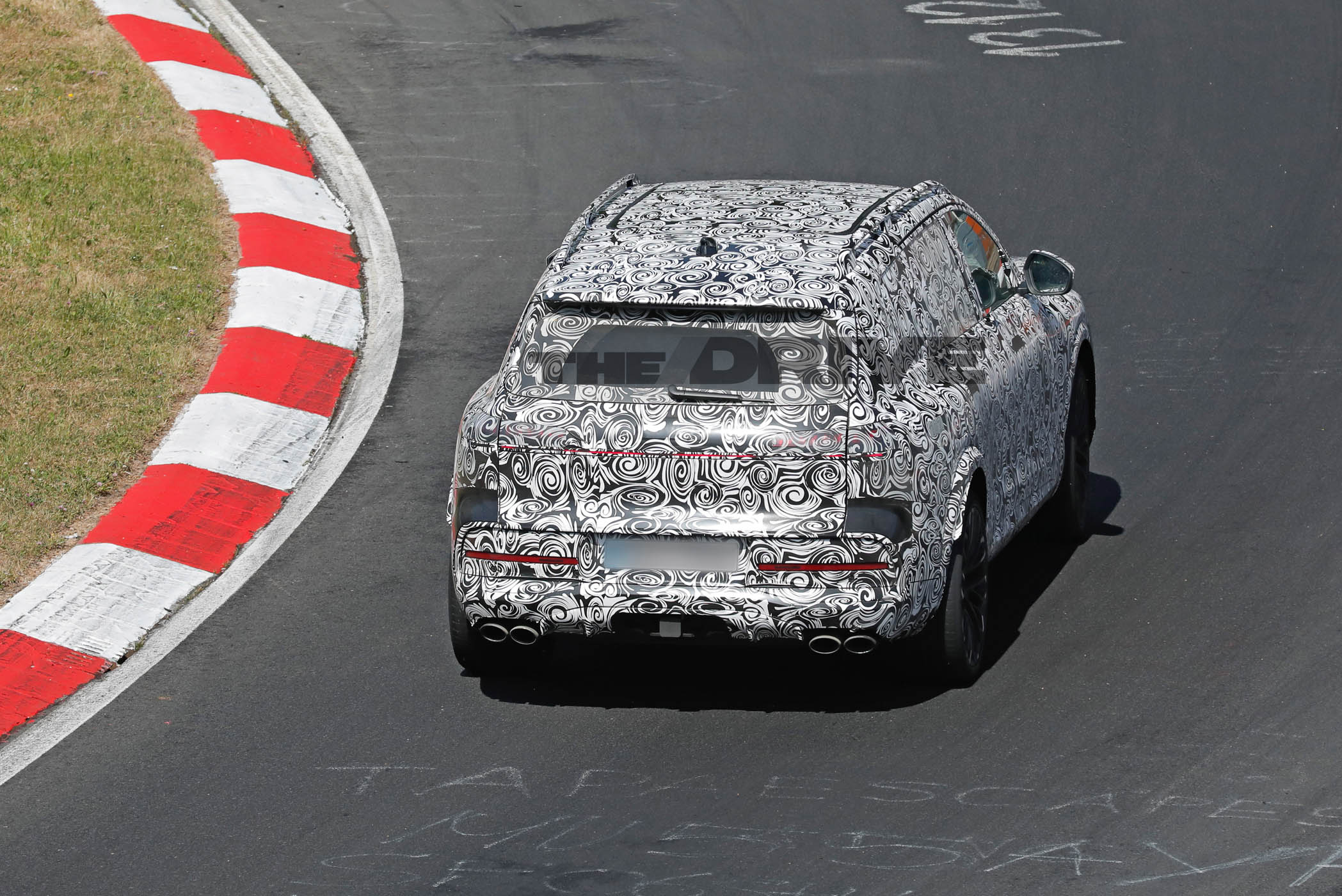
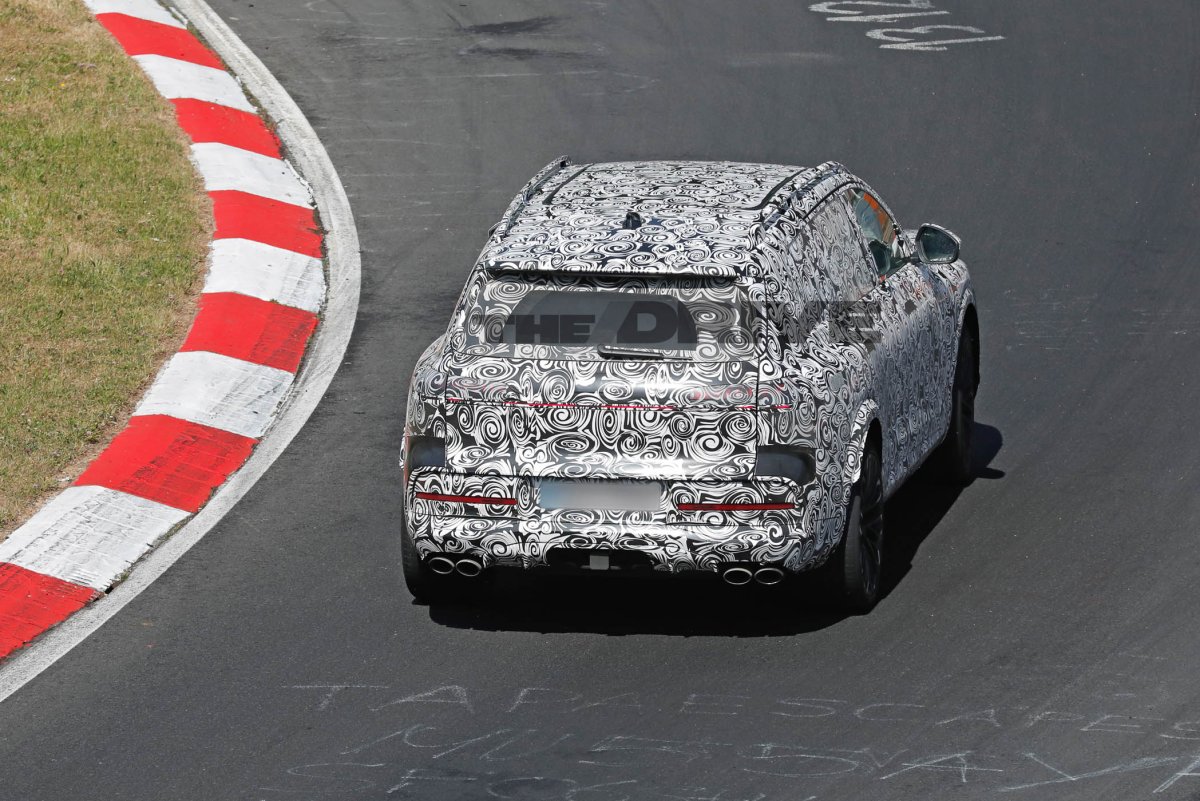
The SQ7 already has one, and its replacement is imminent. The full-size SQ9 has been spotted testing, and nobody expects it to arrive with fewer than eight cylinders. The upcoming RS6 Avant replacement remains unconfirmed, but a flagship performance wagon without a V8 would be a hard sell to the faithful — and Dollner knows exactly who buys these cars.
America is the key variable. U.S. emissions and fuel economy standards remain more permissive than Europe’s tightening regime, and Audi’s most profitable SUV customers are overwhelmingly American. Dollner wouldn’t confirm specific model plans or reveal whether European-market versions would retain the V8 or go hybrid-only.
That silence says plenty.
What Dollner did say is that the decision framework is about “the overall layout and architecture of the car” — finding “for every segment the right answer.” That’s corporate-speak, sure, but it also means the V8 isn’t being killed ideologically. It survives where the numbers work.
This is a notable pivot from the posture Audi struck just two years ago, when the brand seemed to be sprinting toward an all-electric future as fast as Ingolstadt’s engineers could wire batteries. The PPE platform launched. The Q6 e-tron arrived. But EV adoption plateaued, and suddenly the combustion portfolio needed to carry more weight — and more profit — for longer than anyone planned.
Dollner took the CEO chair in September 2023, inheriting a company caught between two futures. His willingness to publicly champion the V8 isn’t nostalgia. It’s triage.
Audi needs the margin those high-dollar V8 SUVs generate while its electric lineup matures and finds its footing in a market that isn’t moving as fast as the PowerPoint slides promised.
The V8 lives because it still pays the bills. That’s the most honest reason any engine ever survived.
Share this Story