
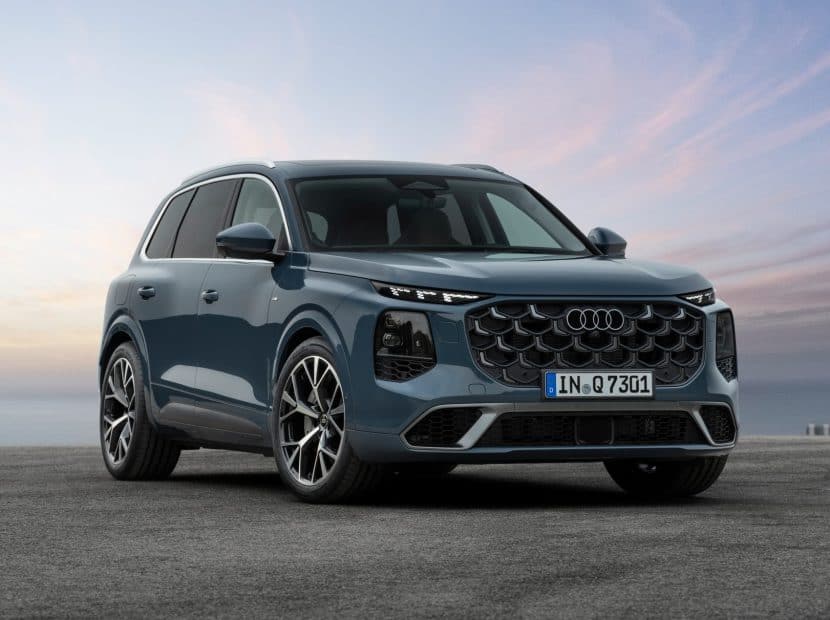


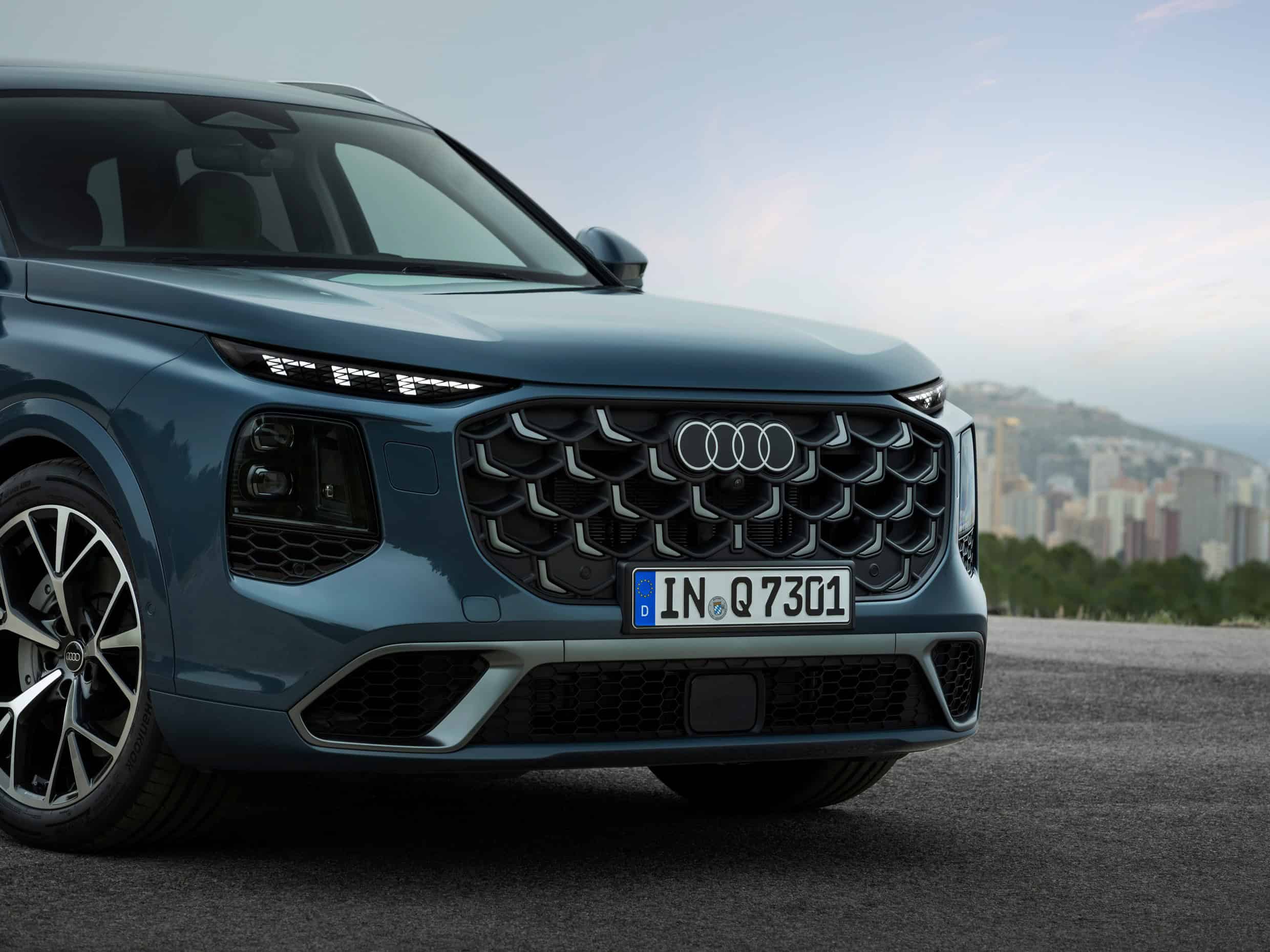
The 2027 Audi Q7 and SQ7 will land in American showrooms late this year carrying a technology that European drivers have enjoyed for over a decade: Digital Matrix LED headlights. Each headlight module packs more than 25,000 individually controllable micro-LEDs that carve real-time shadows around oncoming and preceding vehicles, giving the driver permanent high-beam reach without blinding a soul.
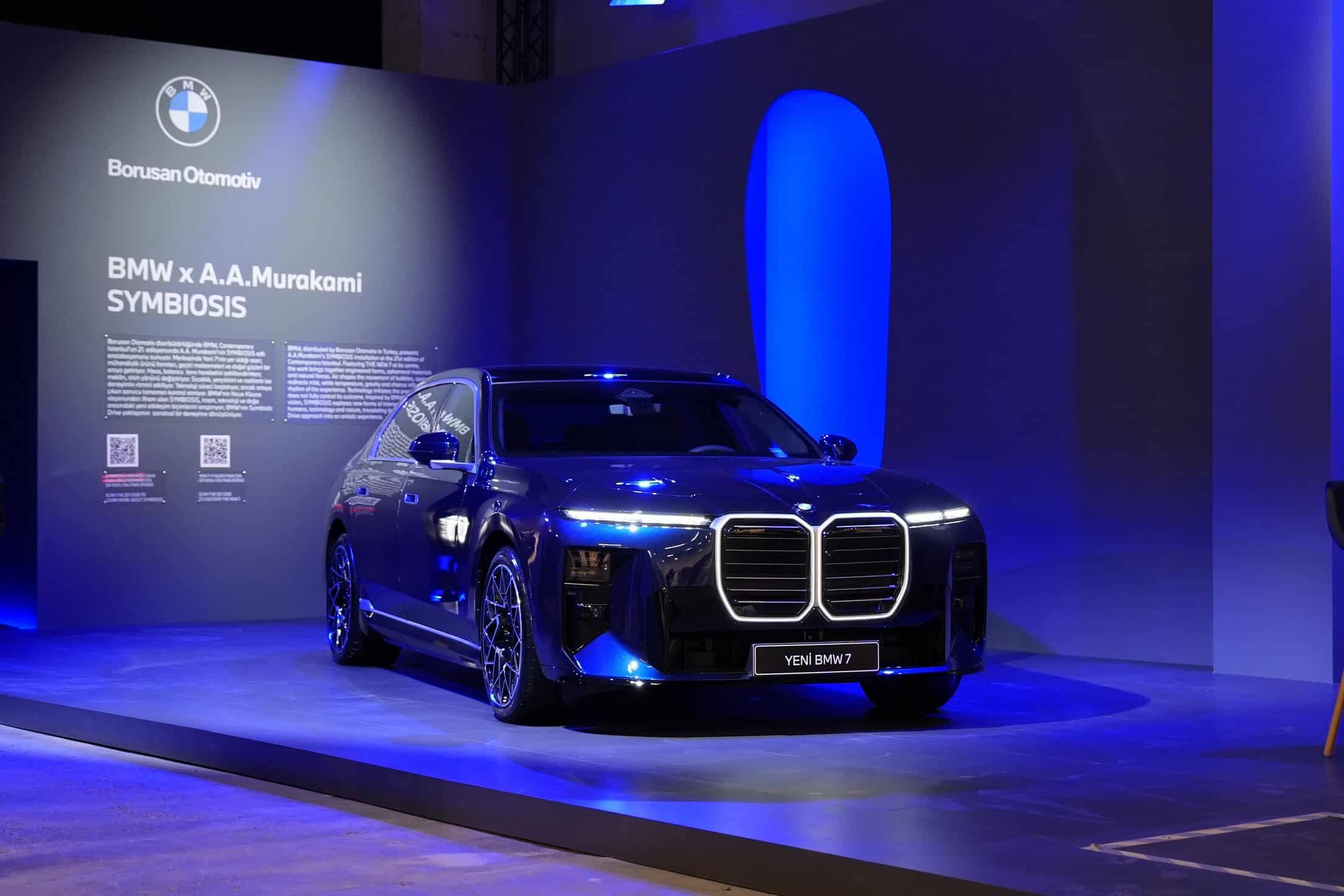
BMW offers the same category of tech on its European 5 Series and X5. It does not offer it on a single car sold in the United States.
That gap is the story. The regulatory door swung open after a 2021 infrastructure bill prompted NHTSA to amend a 1967 rule that banned simultaneous operation of high-beam and low-beam elements, which is exactly what matrix systems require. Every premium automaker knew the change was coming. Audi spent the intervening years re-engineering its system for U.S. compliance. BMW, apparently, did not prioritize the same effort.
The technology itself is elegant in its logic. Cameras mounted in the car track where other vehicles are on the road. Instead of toggling the entire headlight beam between low and high, the system dims only the tiny cluster of LEDs aimed directly at another car. Everything else stays lit at full power. The result is a bright, wide, deep cone of light with a small traveling shadow that follows each detected vehicle until it passes or turns off.
In European markets where matrix headlights have been standard fare since the early 2010s, the tech has expanded to project lane markers and hazard warnings directly onto the pavement. American regulators cited improved nighttime detection of pedestrians, cyclists, and animals as a primary justification for finally allowing it here. Research on adaptive headlight systems has linked them to measurable reductions in nighttime collisions.
None of that mattered until someone actually shipped the hardware. Mercedes-Benz has been teasing its own U.S. matrix rollout, but Audi pulled the trigger first with a pair of high-volume three-row SUVs. Not a low-production flagship, not a limited edition, but the Q7 and SQ7 — vehicles that fill suburban driveways from Greenwich to Grapevine.
American BMW buyers still get adaptive LED headlights with automatic high-beam assist, a system that can only switch the high beams fully on or fully off. It is a fundamentally different, fundamentally inferior approach. The beam either floods the road or retreats. There is no middle ground, no surgical precision, no shadow-carving.
BMW has never been slow to tout its lighting credentials. It pioneered laser headlights on the i8 a decade ago and markets its European adaptive systems heavily. The fact that it has not matched Audi’s U.S. move, despite having the engineering on the shelf, suggests either a strategic miscalculation or a deliberate choice to wait. Neither explanation flatters Munich.
The 2027 Q7 starts with a 3.0-liter turbo-six making more power than before, and the SQ7 bumps output further. But horsepower is table stakes in the luxury SUV segment. Headlights that let you see a deer at 400 feet without flash-blinding a minivan driver are not. They are a genuine, measurable safety advance that took 57 years of regulatory inertia to reach American roads.
Audi priced the matrix headlights as an option, not standard equipment, which means buyers will pay extra for the privilege of technology that comes standard on many European-market cars at the same price point. That is its own kind of tax. But at least the option exists.
BMW customers shopping a new X5 or 5 Series this fall will check every box on the configurator and still not find it.


Share this Story