



The next-generation Alpine A110 will break cover at the Goodwood Festival of Speed on July 9, presented not by suited executives but by BWT Alpine Formula One drivers Pierre Gasly and Franco Colapinto. It’s a calculated flex, wrapping a road car launch in the credibility of a racing program. Alpine is going to need every ounce of it.
The new A110 rides on what Alpine calls its Alpine Performance Platform, an all-new architecture the company claims will produce “the world’s first true EV sports car.” That’s a bold line to put in writing when Porsche, Lotus, and a dozen startups have been circling the same space for years.
Here’s what we know about the hardware. The platform uses an 800-volt architecture with dual rear-mounted electric motors delivering active torque vectoring. Alpine is targeting a curb weight of 1,400 kilograms, roughly 3,086 pounds, kept in check by aluminum construction and a deliberate 40:60 front-to-rear weight distribution.
For an EV, that’s genuinely light. A Porsche Taycan tips the scales north of 4,700 pounds.
But the current A110 weighs just 2,400 pounds. No amount of engineering optimism erases 700 pounds of battery mass from the driving experience. Alpine is essentially asking loyal customers to accept a fundamentally different car wearing a familiar name.
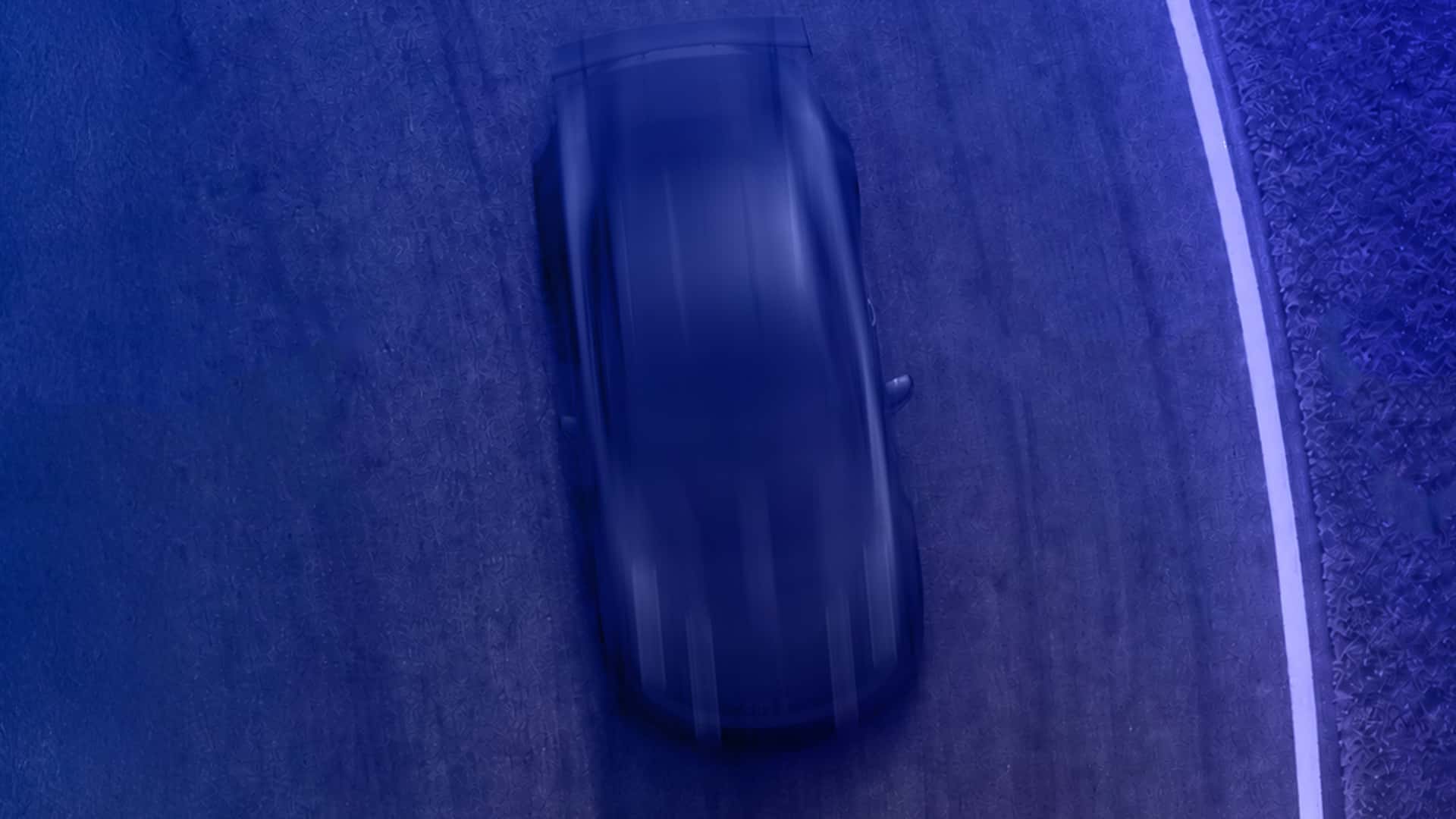
The platform won’t stop at a coupe. Alpine plans a convertible variant, a first for the A110 lineage, and a larger 2+2 model positioned to challenge the Porsche 911 at a higher price point. That’s ambitious for a brand most Americans couldn’t pick out of a lineup.
And that’s the real tension here. Alpine has never sold the A110 in the United States. The second-generation car spent its entire life tantalizing American enthusiasts from across the Atlantic, blocked by the usual cocktail of crash-testing requirements and the cost of launching a niche brand in a ruthlessly competitive market.
Going electric eliminates the emissions certification headache, but it introduces a different problem entirely. The American appetite for electric sports cars is cooling fast. The elimination of the federal EV tax credit has dampened demand across the board.
Porsche itself delayed the launch of the next-generation electric 718 Cayman, the very car the A110 is designed to rival, because the market simply isn’t there yet. If Porsche can’t make the math work on an electric two-door, Alpine’s path looks treacherous.
The company isn’t blind to this. Alpine has confirmed the platform was engineered to accommodate a gasoline engine if needed. That single sentence buried in the announcement may be the most important detail of the entire reveal.
It’s an escape hatch, and the fact that Alpine felt compelled to mention it tells you everything about the state of the EV sports car business in 2025.
Alpine has heritage, a gorgeous design language, and the kind of lightweight sports car philosophy that enthusiasts claim to worship. What it doesn’t have is a dealer network in the world’s most profitable car market, proven EV demand in the segment, or the financial cushion of a Porsche-sized parent company to absorb a slow launch.
The Goodwood debut will generate the requisite social media frenzy. The car will look fantastic on the hillclimb. None of that answers the question that has followed Alpine for a decade: Can it actually sell these things where it counts?
Share this Story