
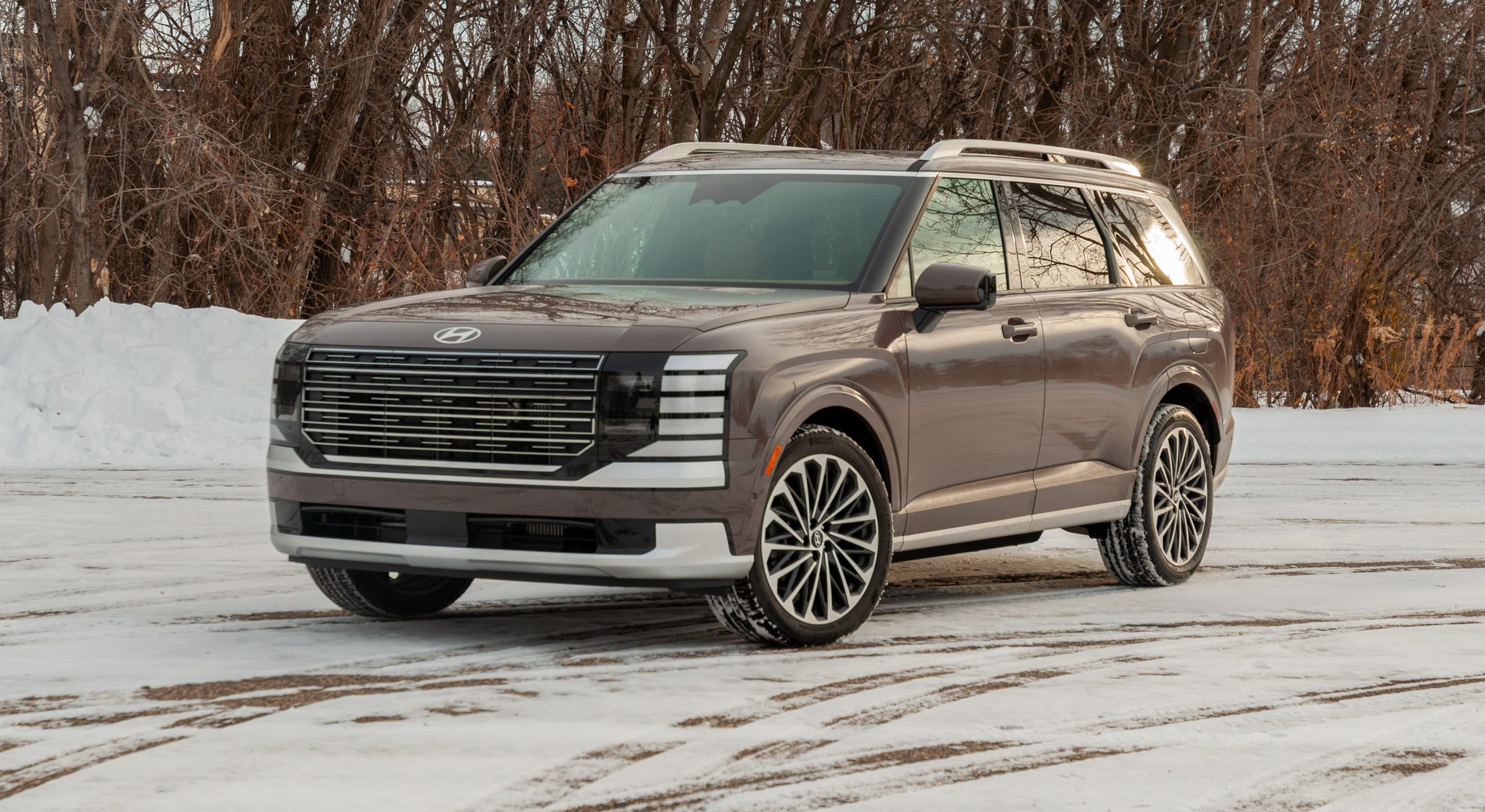


A two-year-old girl was killed by a power-folding seat in a 2026 Hyundai Palisade on March 7 in Ohio. Six days later, Hyundai stopped selling the SUV’s two highest trims and began preparing a recall of 68,500 vehicles.
The seats in question are the power-operated second- and third-row units found exclusively in the Palisade Limited and Calligraphy trims. They fold and slide electronically, a convenience feature marketed to families hauling kids into third-row seats. The problem is that the system doesn’t reliably detect when a person or object is in the way as it moves.
That’s not a software glitch. That’s a fundamental failure of the feature’s reason for existing.
Hyundai’s official statement, posted March 13 from its Fountain Valley headquarters, confirmed the child’s death but noted it does “not yet have the full details.” The company extended condolences. It urged caution. It promised an over-the-air software patch by month’s end.
But that patch is not the fix. Hyundai called it an “interim software update” meant to “enhance the system’s response to contact with occupants or objects.” The permanent recall repair is still under development, with no timeline given for completion.
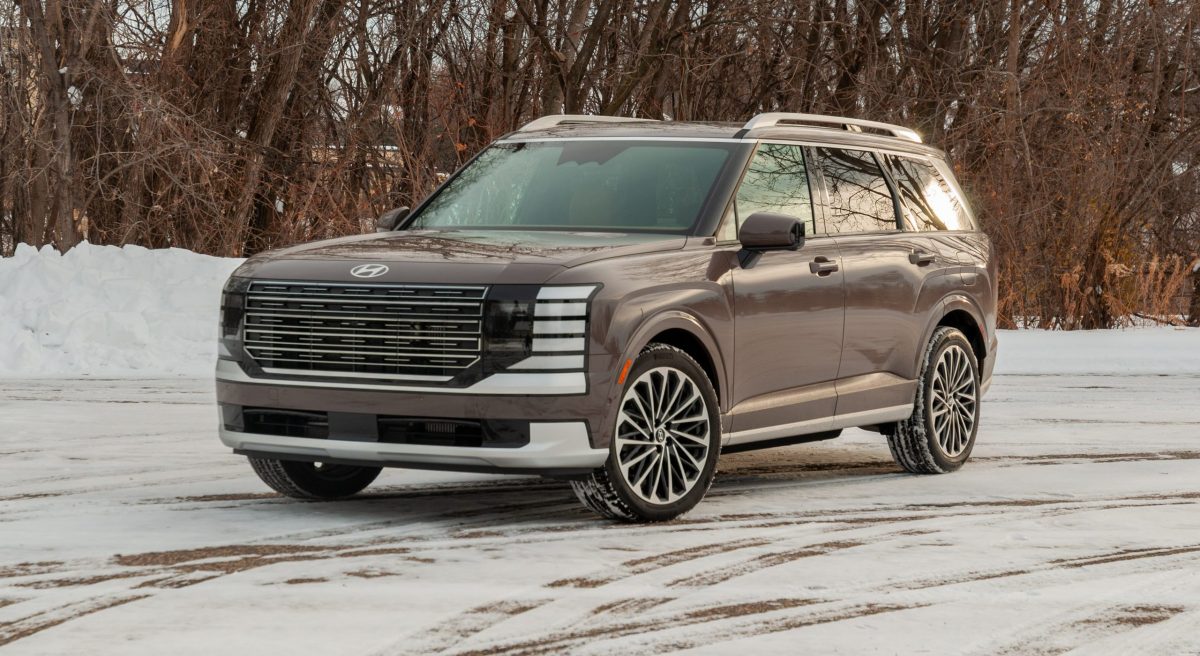
So right now, 60,515 owners in the United States and 7,967 in Canada are driving three-row family SUVs with rear seats that may not stop when they encounter a child. Hyundai’s advice: be extra careful and make sure nobody is in the folding area before pressing the button. The company also suggests skipping the seatback button entirely when using the one-touch tilt-and-slide feature during passenger entry or exit.
That’s a remarkable instruction for a system designed specifically to make passenger entry and exit easier.
Hyundai says it will provide rental vehicles through its dealer network until a permanent remedy exists. It’s contacting owners via email, phone, and vehicle telematics. A formal recall filing with NHTSA is being finalized.
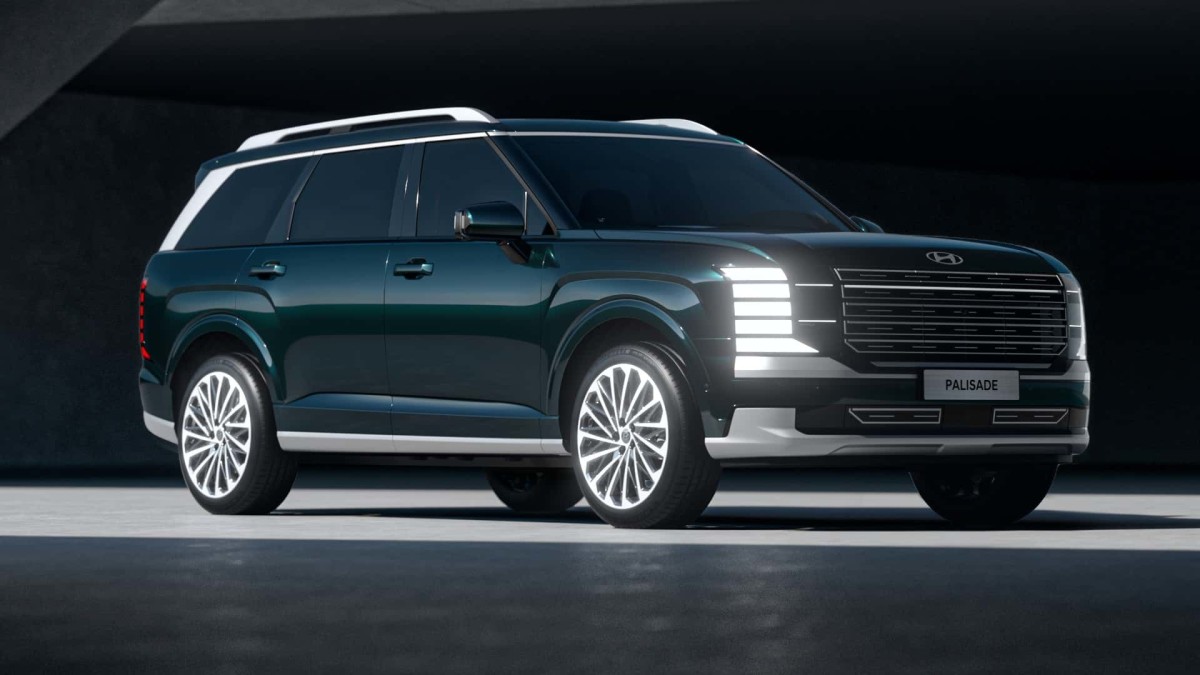
The 2026 Palisade launched as a full redesign, a flagship people-mover in Hyundai’s lineup competing directly with the Toyota Grand Highlander and Kia Telluride. The Limited starts above $48,000; the Calligraphy pushes past $53,000. Power-folding seats were part of the premium proposition, the kind of feature that justifies the price gap over lower trims and separates a family hauler from a fleet vehicle.
This isn’t the Palisade’s first serious safety episode. The previous generation, spanning model years 2020 through 2025, was recalled for airbag defects affecting more than half a million units and spawned litigation.
Hyundai has moved faster here than automakers sometimes do. A stop-sale within a week of a fatal incident, combined with proactive owner outreach and a promised OTA update before April, shows urgency. Whether that urgency extends to the permanent fix remains to be seen.
Power-convenience features in family vehicles have spread across the industry, from sliding seats to power-folding headrests to hands-free liftgates. They sell cars. They win over parents in dealer showrooms.
But every motorized mechanism that operates near small bodies carries risk, and the detection systems meant to guard against that risk have to work every single time. In Ohio, on March 7, one didn’t.
A family is shattered. And Hyundai has tens of thousands of SUVs on the road carrying a feature it cannot yet guarantee is safe.

Share this Story