
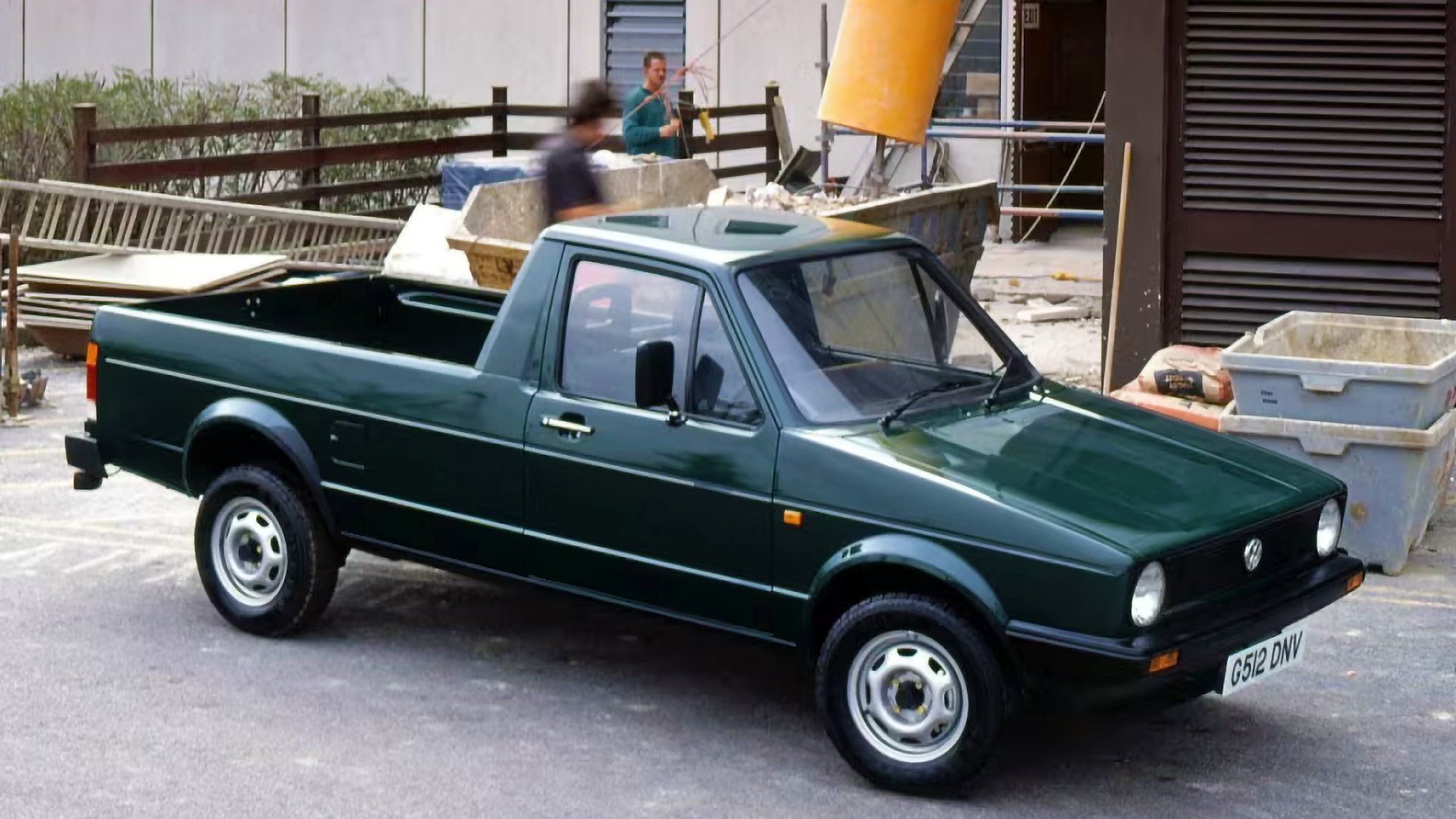


Volkswagen has tried nearly everything to crack the U.S. market over the past two decades. Now it’s trying a pickup truck.
A company source told Reuters that VW is planning to have a truck on sale before the end of the decade, built domestically to sidestep the 25% chicken tax that has kept foreign-made pickups off American lots since the 1960s. The move comes alongside a leadership change, with Marco Schubert installed as the brand’s new U.S. CEO.
It sounds bold. It also sounds familiar. VW has cycled through American reinvention strategies the way other automakers cycle through trim levels.
The Chattanooga plant was supposed to be the answer. The Atlas was supposed to be the answer. The ID.4 was supposed to be the answer. None of them moved the needle far enough to make VW a serious player in a market dominated by Toyota, GM, Ford, and Hyundai-Kia.
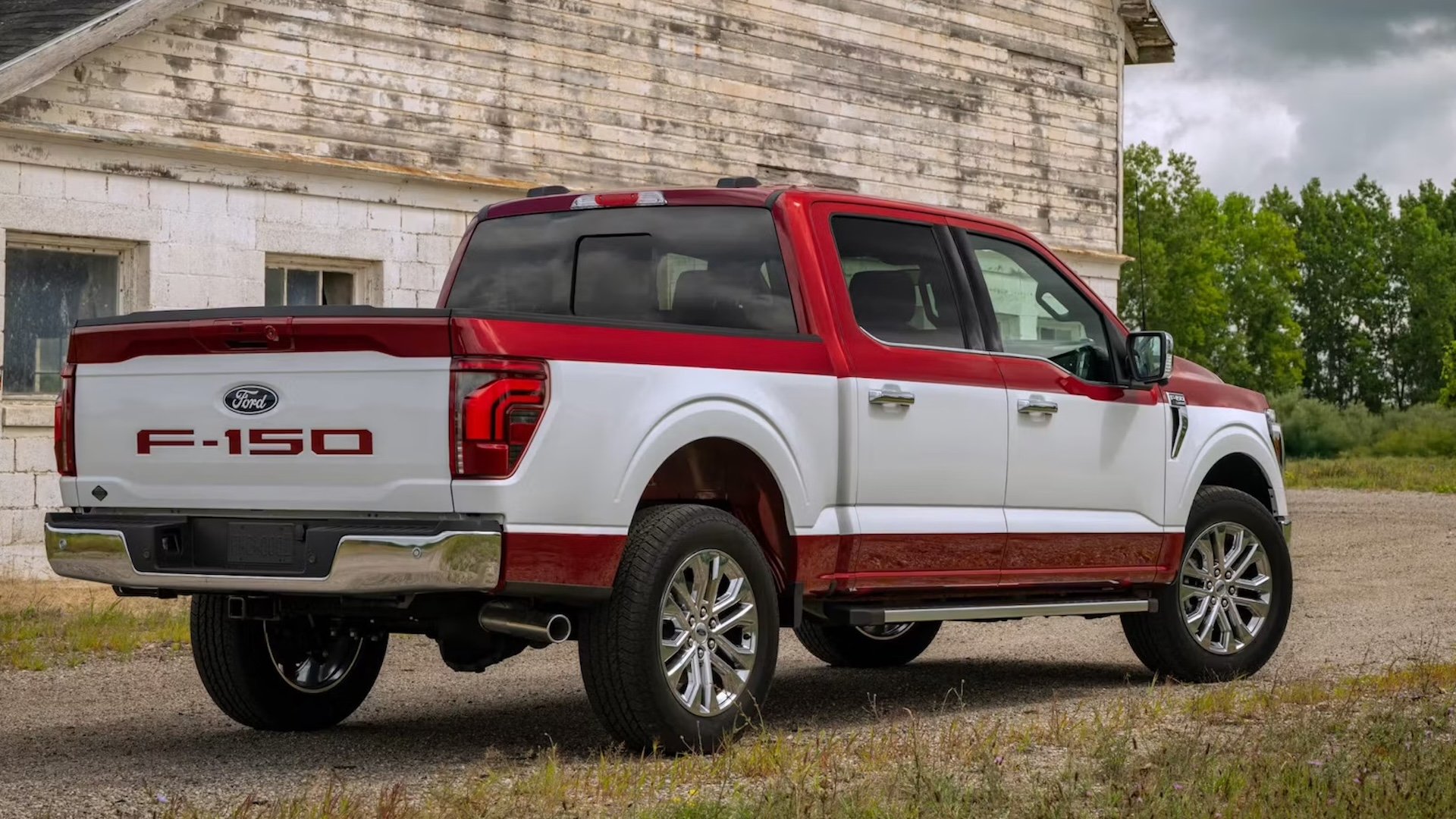
A pickup, though, is a different kind of gamble. It means competing directly on the turf where American brands print money and where even Toyota’s Tundra, after decades, still plays second fiddle to the F-150 and Silverado. Hyundai’s Santa Cruz and Ford’s Maverick carved out a niche at the smaller end of the segment, but a full-size or even midsize truck from VW would need massive investment in tooling, marketing, and dealer readiness.
Building it locally is non-negotiable if VW wants a competitive price. The chicken tax killed any notion of importing trucks, which is why every serious contender in the segment, from the Tacoma to the Ranger, rolls off a North American line. VW already has its Chattanooga facility, but whether that plant has the capacity or configuration for truck production remains an open question.
The timing is curious too. VW’s parent group is in the middle of painful restructuring in Germany, closing plants and cutting jobs to shore up profitability. Launching an entirely new vehicle category in the world’s most competitive truck market while tightening the belt back home takes a particular kind of corporate optimism.
Meanwhile, the rest of the industry kept moving this week. Toyota recalled more than 500,000 Camry sedans from the 2025 and 2026 model years over instrument cluster displays that can go blank while driving. The fix is a software update, but it requires a dealer visit.
Toyota also watched Prius sales crater by 40.3% year to date, though the plug-in variant is thriving. The standard hybrid Prius appears to be cannibalizing itself now that the Camry and half of Toyota’s lineup come with hybrid powertrains as standard equipment.
Maserati, once sprinting toward a fully electric future, is now openly discussing a return to V8 power. The engines would be smaller units sized for the GranTurismo and GranCabrio, not Stellantis Hemis. It is a stark reversal from the brand’s all-EV declarations of just a few years ago, and one more data point in the industry’s quiet retreat from aggressive electrification timelines.
Ford quietly resumed selling the Chinese-built Lincoln Nautilus Hybrid in Canada, possibly through a new quota system governing Chinese-manufactured vehicle imports. No details on volume.
Back in Wolfsburg, executives are studying spreadsheets and truck configurators, convinced that what VW really needs in America is a bed and a tailgate. They might be right. They have been wrong before.
Share this Story