
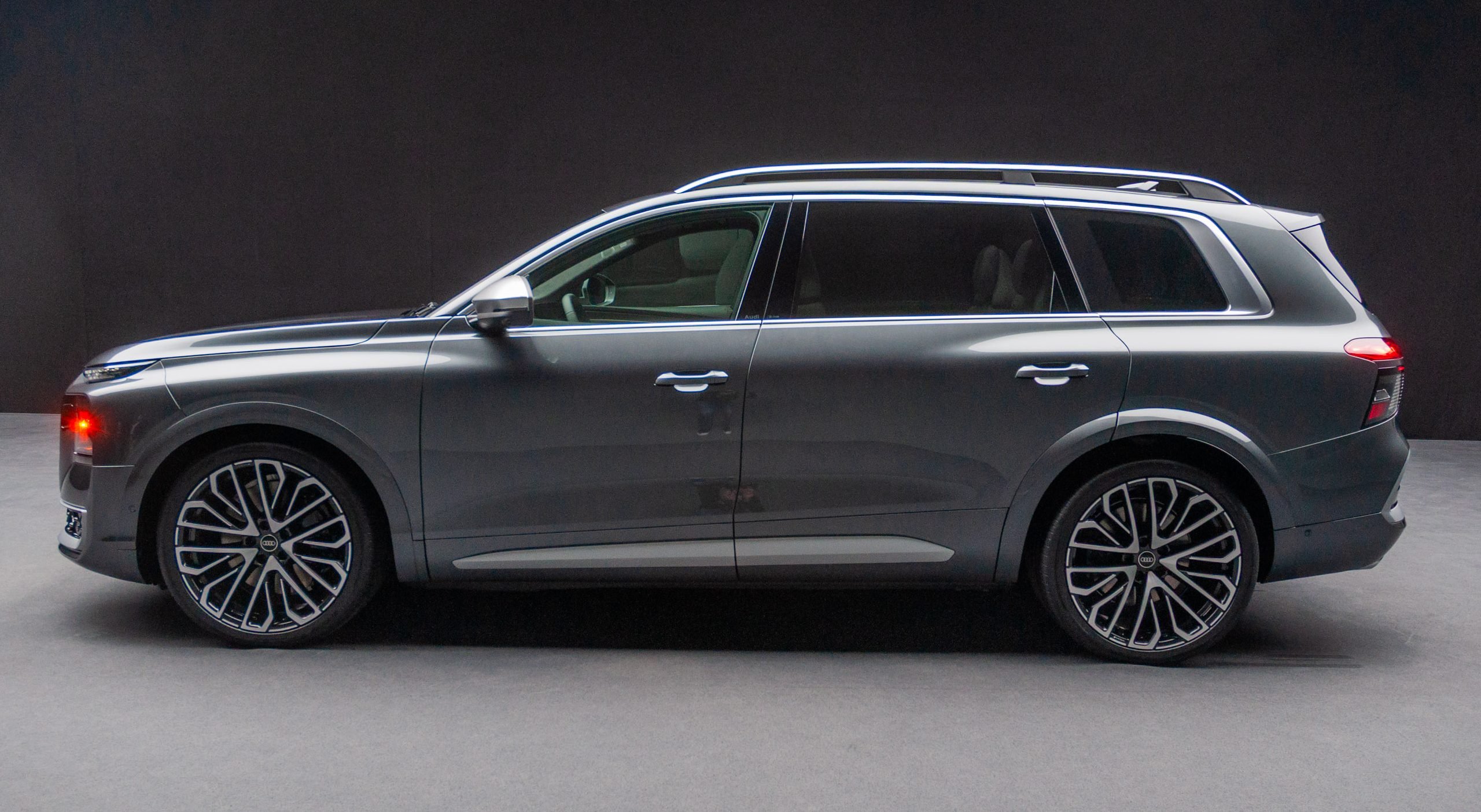


Forty-five weeks before showing the 2027 Audi Q9 to journalists in Munich, CEO Gernot Döllner ripped the electronic door handles off his new flagship SUV. The tooling was already built. The engineering was locked. He did it anyway.
We had an innovative door handle concept on that car as well,” Döllner told reporters at the Q9’s media preview in May. And then we had a final test drive and said, it’s innovative, but from a customer perspective, it’s worse than a conventional door handle.
So he ordered conventional handles. A change that normally takes two years got done in under a year because, as Döllner put it, “our body engineers did an outstanding job, and we were a little bit lucky that it worked package-wise.
The scrapped design used a small wing with a piezoelectric sensor behind it. Touch it lightly, the door pops open electromechanically. Sleek on paper, but miserable in daily use on a three-row family hauler where kids, grandparents, and anyone with wet or gloved hands need to grab something real.
Döllner was blunt about the result: “It’s not an innovation, it’s simply good.”
That sentence tells you everything about where Audi’s head is right now. The German luxury brand spent years chasing touch-sensitive everything, from haptic climate controls to flush exterior hardware, and customers pushed back hard. China actually banned unconventional door handles outright.
Döllner said that regulation ran in parallel with his decision but wasn’t the catalyst. The catalyst was sitting in the driver’s seat of a validation prototype and knowing it felt wrong.
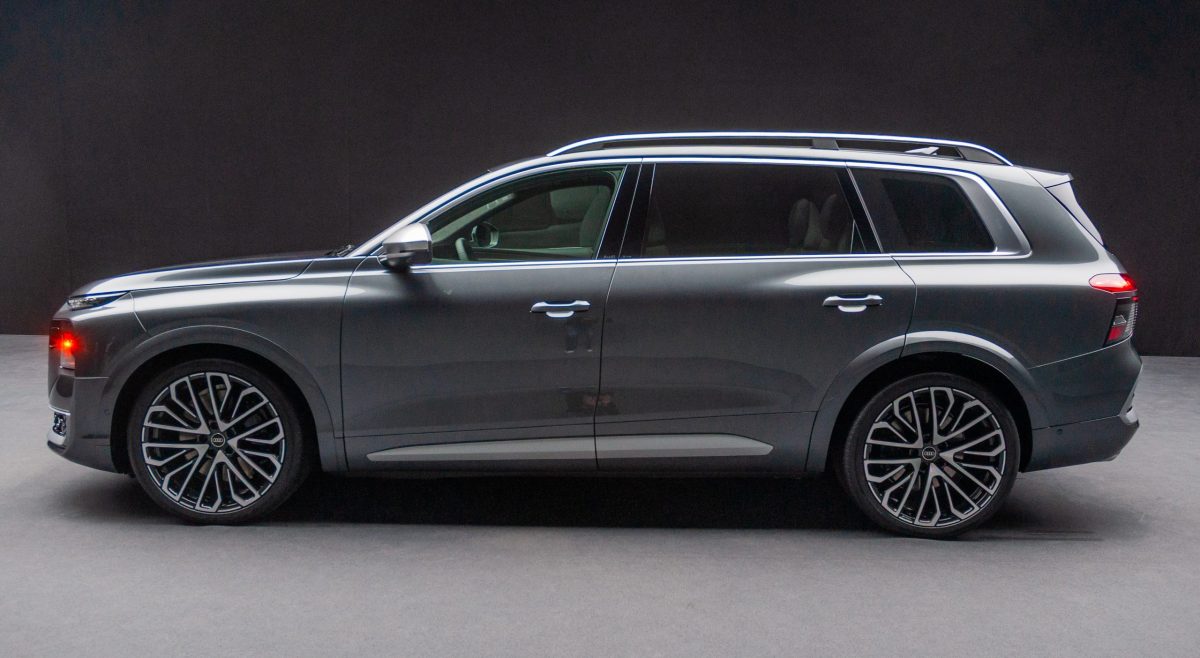
The door handles weren’t the only course correction. Döllner described a broader overhaul of the Q9 and its smaller sibling, the 2027 Q7, that reads like a checklist of owner complaints about recent Audis.
He ordered the center console reworked. He brought back dedicated physical switches to replace the smart door panels used in the A5, A6, and Q5. He fixed the cup holders, which were too small for a standard Stanley Cup, a detail that sounds trivial until you remember this is a $70,000-plus family vehicle where people actually live for hours at a time.
“We rearranged the smart door panels we have in our A5, A6, and Q5 cars, and came back to dedicated switches, optimized the interior cooling, and of course, seating the roof concept, all that with a clear customer focus,” Döllner said.
The Q7 and Q9 are the first two products where Döllner says he made a real impact since arriving at Audi two and a half years ago. That timeline matters. It means the cars that preceded them, the current A5, A6, and Q5, shipped with the design philosophy he’s now actively undoing.
Audi isn’t abandoning the piezoelectric door handle entirely. Döllner confirmed it will appear on a future European model in a different segment, presumably something smaller and sportier where daily usability demands are lower. But on a full-size SUV built for families, he drew the line.
The broader pattern across the industry is hard to miss. Volvo’s new EX60 still uses electronic handles. Tesla normalized flush hardware years ago. But the backlash has been building, from frozen handles in winter to first responders unable to open crashed vehicles.
Regulators in China moved first. Audi’s CEO moved on instinct. Whether the rest of the industry follows or keeps chasing minimalism for its own sake remains the open question.



Share this Story