
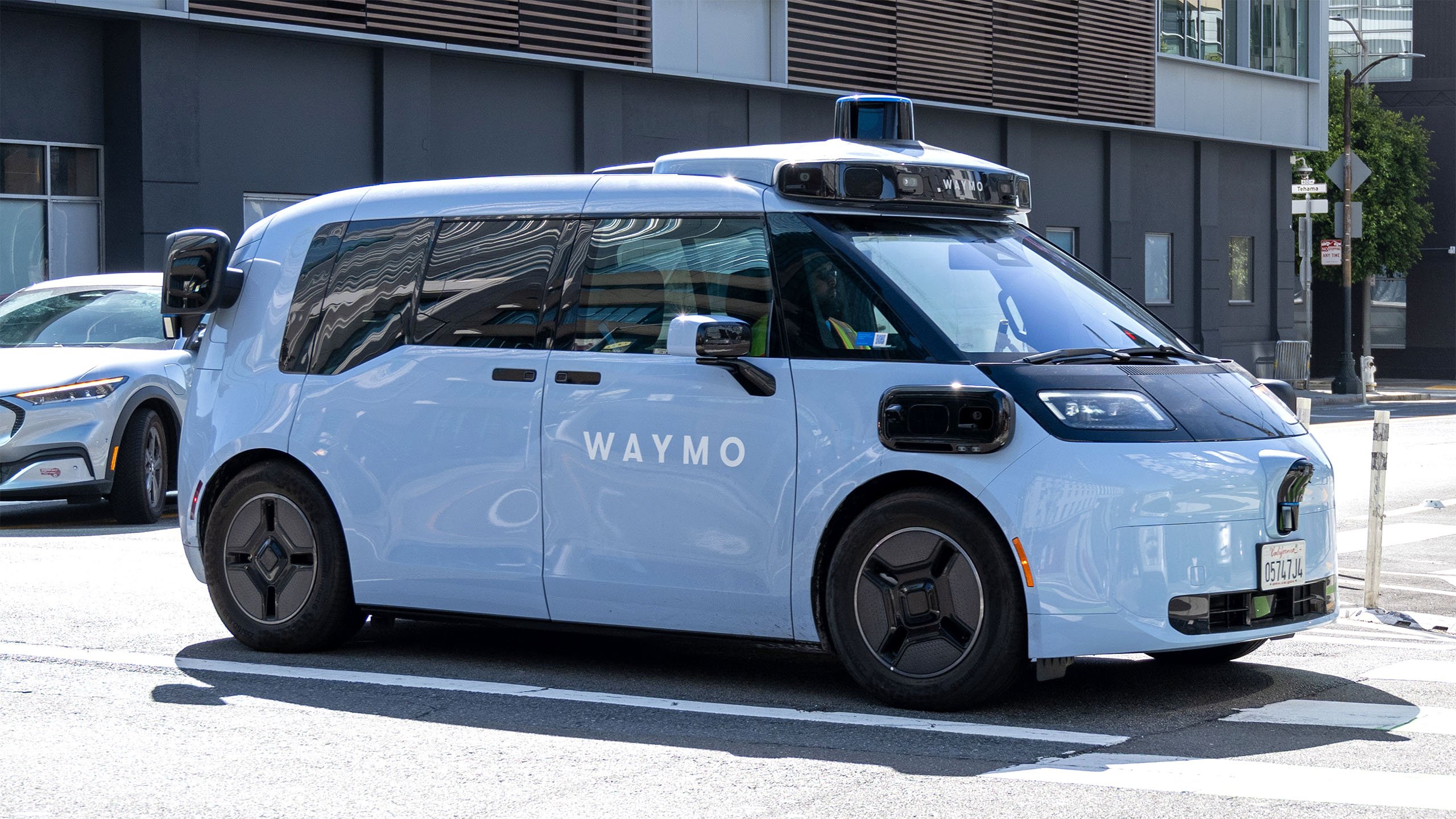


The National Highway Traffic Safety Administration is moving to strip brake pedals from autonomous vehicles, calling it a step toward “safely unleashing American innovation.” The agency has proposed amending Federal Motor Vehicle Safety Standard No. 135, a rule on the books since 1995, to eliminate the pedal requirement in cars governed by autonomous-driving systems.
No stopping distance requirements would change. The braking systems themselves would still need to perform, just evaluated through what NHTSA calls an “alternative” manner. The pedal itself, the agency argues, is a relic in a car no human is supposed to drive.
That logic holds — right up until you read the fine print.
Buried on Page 9 of the 66-page proposal is a footnote that should give anyone pause. NHTSA states it is “taking no position at this time as to how a passenger should be able to direct an ADS-operated vehicle to stop, or how the ADS should respond to such direction.” The agency says it will “continue to consider this issue.”
So the plan is to remove the one universal override passengers understand — a brake pedal — before figuring out what replaces it. That’s not modernization. That’s skipping steps.
The robotaxi landscape is anything but uniform. Waymo runs its vehicles without human safety monitors. Tesla still uses them, though that could change as the company tests Cybercabs without human inputs in Austin.
The regulatory framework being proposed here suits Tesla’s intended trajectory perfectly, clearing the path for vehicles built from the ground up without traditional controls.
There are reasonable ideas buried in the proposal. NHTSA pushed back on industry stakeholders who argued that brake indicator telltales — warning lights visible to occupants — are irrelevant in driverless cars. The agency’s position is that passengers still need to see when the vehicle is braking. That’s a small but meaningful stand against the impulse to treat riders like cargo.
Other proposed changes are cosmetic. Windshield wiper controls, for instance, don’t need to exist in a car nobody is steering. Fair enough.
But the core tension running through this document is unmistakable. NHTSA is eager to tear down barriers for an industry racing to deploy, while simultaneously punting on the hardest safety questions. A kill switch, a passenger-accessible emergency stop, some kind of failsafe for when an autonomous system goes rogue — none of that is addressed.
The companies pushing hardest for these changes have billions riding on getting robotaxis deployed at scale. Every regulatory requirement removed is friction eliminated, time saved, money kept. Removing a brake pedal from a car designed never to have a human driver is, in isolation, perfectly rational.
The problem is that nothing about autonomous vehicle deployment happens in isolation. These cars operate on public roads, carrying passengers who did not engineer them and cannot control them. The question was never really about the pedal. It was about what happens when something goes wrong and there is no pedal to press.
NHTSA had an opportunity to answer that question while opening the door to new vehicle designs. Instead, it opened the door and left the question standing in the hallway.
The robotaxi companies will take the win. They’d be foolish not to. But “we’ll figure out passenger emergency stops later” is not a safety framework. It’s a promissory note, issued by an agency that has historically struggled to keep pace with the industry it regulates, now voluntarily putting itself further behind.



Share this Story