
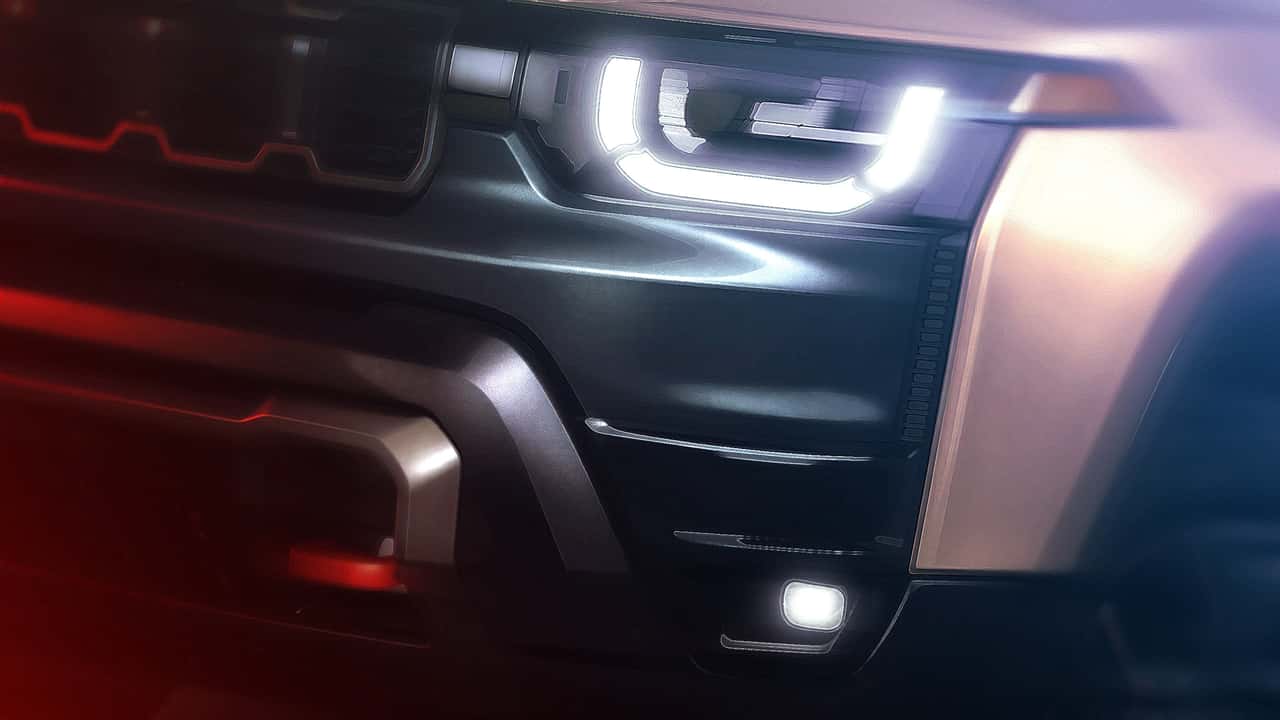


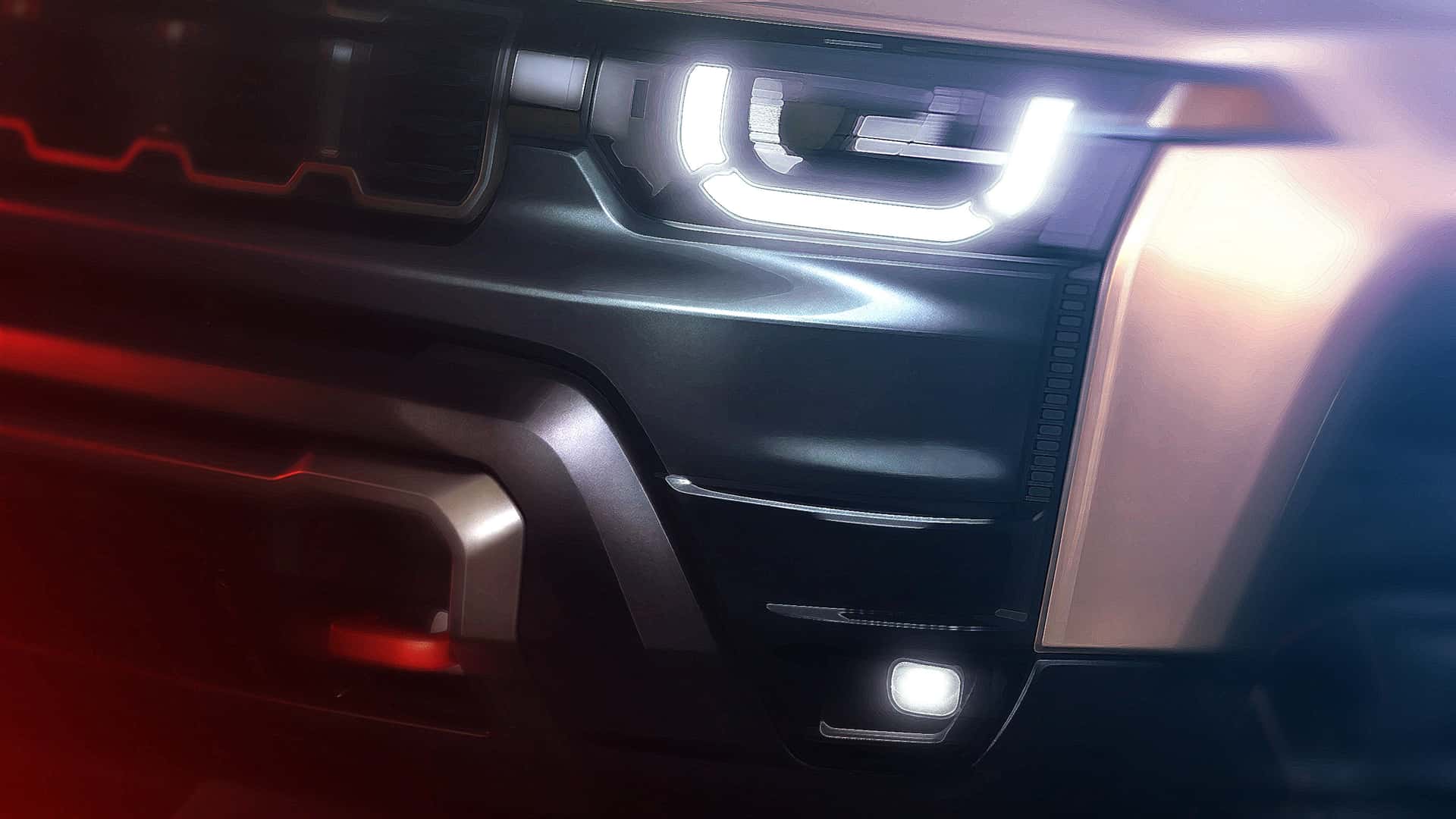
Jeep just dropped a single image of the upcoming Cherokee Trailhawk, and even that sliver of information tells a bigger story than the automaker probably intended.
The teaser shows a redesigned front bumper with a red tow hook poking through, sitting below what appears to be an unchanged headlight. It’s aggressive. It’s purposeful. And it should have been there from day one.
When Jeep launched the fifth-generation Cherokee, it arrived without its iconic Trailhawk trim — the variant that signals genuine off-road capability across the lineup. For a brand that sells its identity on trail-readiness, shipping a Cherokee without a Trailhawk was like Porsche launching a 911 without a manual transmission option. Technically defensible, practically inexcusable.
Now Jeep is correcting course. Based on what surfaced at Easter Jeep Safari earlier this year, the Cherokee Upland concept offered a preview of what’s coming. That vehicle wore an upgraded suspension, the same aggressive front-end treatment visible in the teaser, and 18-inch wheels shod with 31.5-inch Falken Wildpeak A/T tires.
Expect the production Trailhawk to follow a similar recipe — raised ride height, improved approach and departure angles, and skid plates underneath to protect the hardware when the pavement ends.
The powertrain question is where things get interesting. Today’s Cherokee offers exactly one engine: a turbocharged 1.6-liter four-cylinder hybrid making 210 horsepower and 230 pound-feet of torque, routed through a continuously variable transmission. That’s adequate for mall runs and school pickups. Whether it’s adequate for serious trail work is another conversation entirely.
The previous Cherokee Trailhawk used Jeep’s Active Drive Lock 4×4 system, a meaningful upgrade over the standard Active Drive I setup. The 2026 Compass Trailhawk carries that same system, so it would be a genuine surprise if the Cherokee Trailhawk didn’t follow suit. But whether Jeep tweaks the engine output or offers an alternative powertrain remains unknown.
A 1.6-liter hybrid crawling over Moab rock ledges is a tough mental image for the Wrangler crowd to digest. Jeep says more details are coming later, which is corporate speak for “we’re not ready to talk about the parts that matter most.” The tires and bumper are easy wins. The drivetrain decisions will determine whether this Trailhawk is a genuine tool or a cosmetic package.
The Cherokee occupies critical real estate in Jeep’s lineup. It sits in the heart of the compact SUV market, competing against the Toyota RAV4, Honda CR-V, and Ford Escape — vehicles that collectively move millions of units annually. Jeep’s pitch has always been that its SUVs can actually do what their styling promises. The Cherokee without a Trailhawk undercut that entire argument.
Every competitor in this segment now offers some version of a rugged or adventure-themed trim. Subaru built an empire on it. Toyota’s TRD packages print money. Jeep invented the template, then somehow forgot to apply it to one of its core models.
The single teaser image is thin on substance. But the decision behind it — finally giving the Cherokee the trail-capable variant its nameplate demands — carries real weight. Jeep needs this truck to remind buyers that the badge still means something beyond leather seats and a touchscreen.

Share this Story