


Stellantis is handing over the keys to its Madrid factory. Ford is reportedly in talks with Geely. And across Europe, legacy automakers are lining up to invite Chinese partners into plants they can no longer fill on their own.
The irony is thick enough to cut: the continent that spent years erecting tariff walls against Chinese EVs is now waving them inside.
Leapmotor’s confirmation that it will build vehicles at Stellantis’s Villaverde plant in Madrid, and co-develop an Opel SUV on Chinese underpinnings by 2028, was the domino that started this cascade. Stellantis took a 21 percent stake in Leapmotor in late 2023, and CEO Antonio Filosa has made clear the appetite extends beyond one partner. Obviously, Chinese OEMs are strong players that are coming with a lot of power to Europe, but also we might look at others,” Filosa said.
Ford, meanwhile, is reportedly negotiating a broad European partnership with Geely, the Chinese parent of Volvo Cars and Polestar. Details remain scarce, but the pattern is unmistakable. Western automakers with too much factory capacity and too little EV competitiveness are shopping for Chinese engineering to plug both gaps at once.
The calculus is straightforward on the surface. European plants sit underutilized. Chinese brands need local production to dodge import tariffs that the EU slapped on them just last year.
Marry the two problems and you get a tidy short-term solution. Everyone wins. For now.
Julia Poliscanova of Transport & Environment is already sounding alarms. Once they help the Chinese brands get that brand awareness and once people get the car and see that it’s not such a bad car, I think it can be a point of no return,” she warned. It’s the classic Trojan horse fear — that by lending their infrastructure, distribution networks, and regulatory know-how, European automakers are training their own replacements.
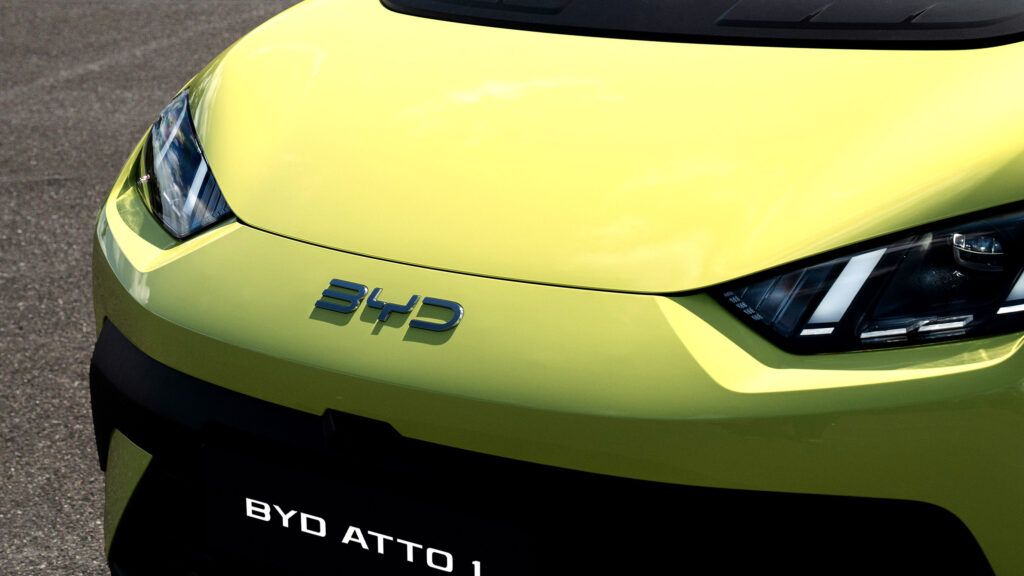
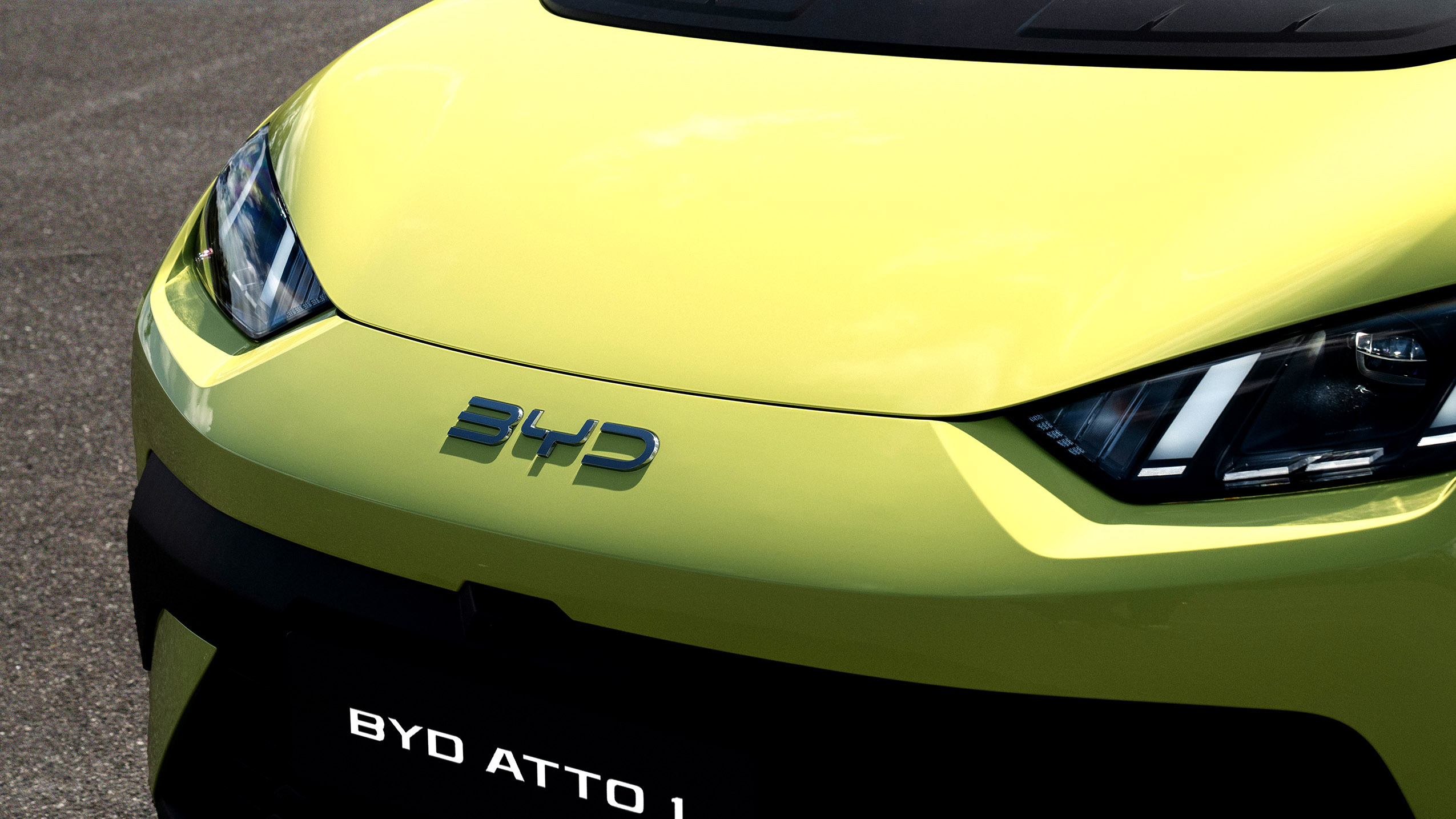
The most telling signal, though, comes from the Chinese side. BYD, the world’s largest EV maker and the company European automakers should worry about most, wants nothing to do with these arrangements.
Executive vice president Stella Li was blunt. “It’s very hard to partner and ask permission from another person,” she told Reuters. “We prefer to run everything on our own.” BYD is instead looking to acquire or take over underused European factories outright, possibly from the very companies now courting other Chinese partners.
That distinction matters enormously. Leapmotor needs Stellantis for market access. BYD doesn’t need anybody.
It has the scale, the battery technology, the cost structure, and now the brand momentum to go it alone. When BYD looks at an idle Stellantis plant, it doesn’t see a partnership opportunity. It sees a real estate listing.
Stellantis and Ford are admitting they cannot compete on EV platforms without outside help, then dressing that admission up as strategic foresight. The factories stay open. The workers stay employed. But the intellectual property, the platform architecture, the core competence — all of that flows from east to west, not the other way around.
European automakers spent a generation building joint ventures in China, teaching local partners how to manufacture world-class vehicles. Those partners learned. Then they surpassed their teachers.
Now the same dynamic is being invited onto European soil, only this time the Chinese side arrives already ahead. The question is no longer whether Chinese cars will be built in Europe. They will.
The question is whether European brands will still own the factories — or just the memories of when they did.

Share this Story