


Franchised dealerships have spent years treating their service departments as profit centers. Now the bill is coming due, and it’s being paid at the Jiffy Lube down the street.
New data shows dealer service prices have climbed faster than those of any competing maintenance channel, pushing a growing number of car owners toward quick-lube chains and independent shops for routine work. The shift isn’t subtle. Dealerships are losing ground in the one area that was supposed to be their financial bedrock as new-car margins thinned and EV adoption reshuffled the sales floor.
For decades the pitch was simple: nobody knows your car better than the dealer. Factory-trained technicians, OEM parts, warranty compliance. It justified a premium, but that premium has ballooned past what many owners are willing to stomach for an oil change and a tire rotation.
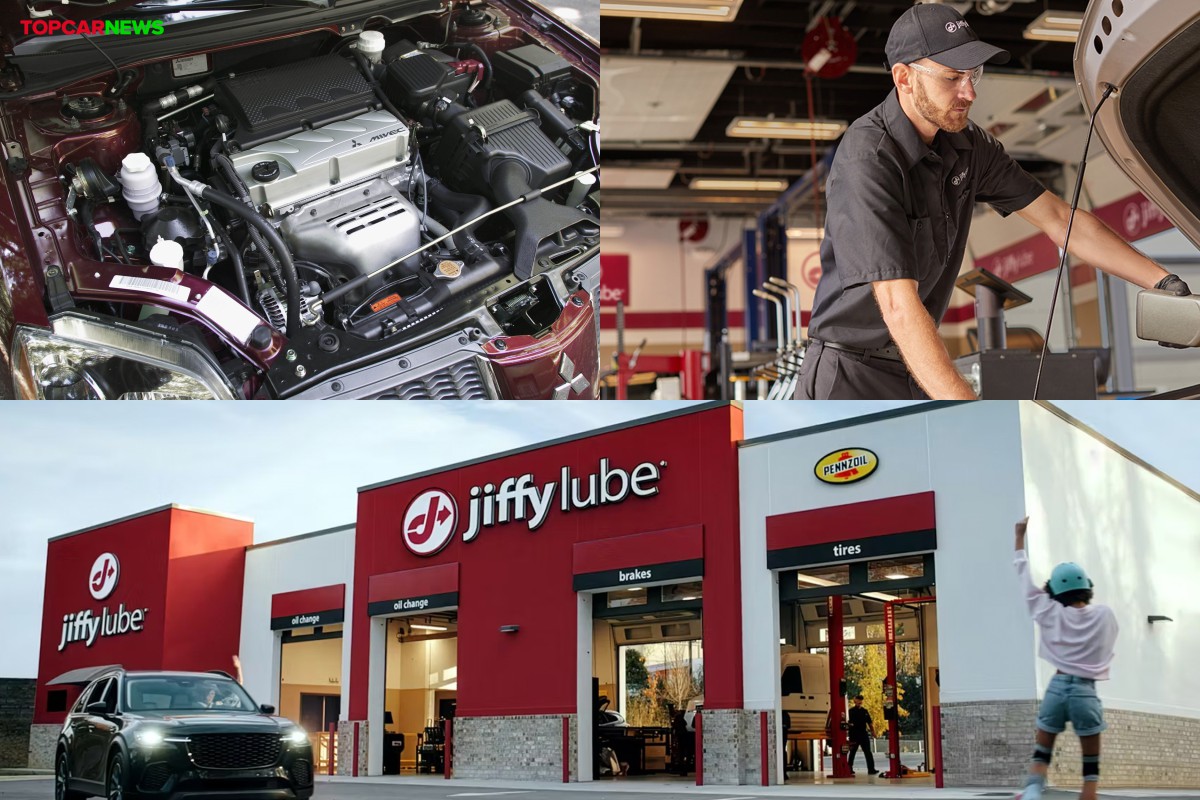
Quick-lube operators have noticed. Chains like Valvoline Instant Oil Change and Take 5 have expanded aggressively, banking on speed, transparency, and prices that don’t require a second mortgage. Their pitch is equally simple: get in, get out, spend less.
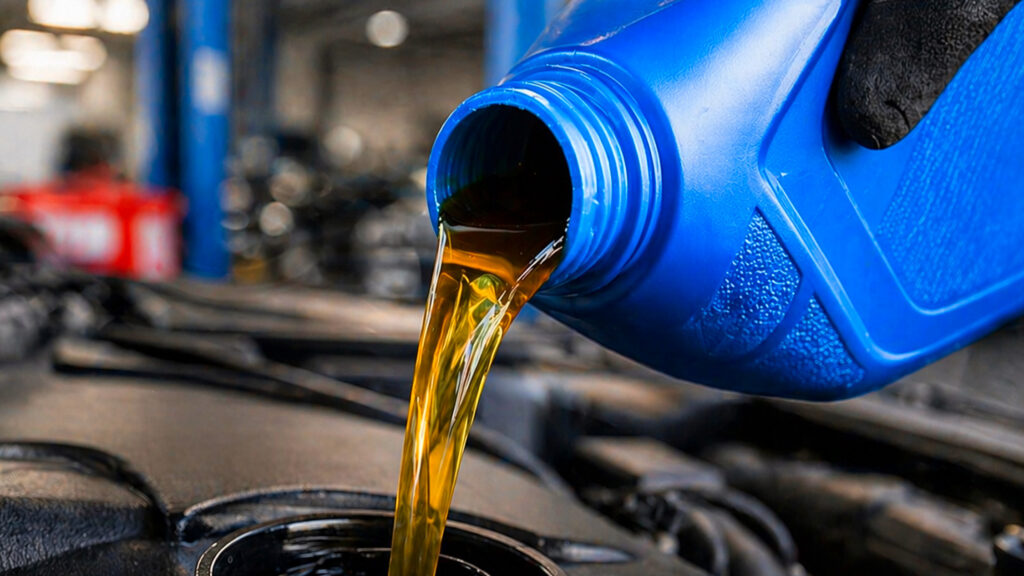
A synthetic oil change at a dealership can easily run north of $100, sometimes well past $120 depending on the brand. The same service at a quick-lube shop typically lands between $50 and $80. Multiply that gap across every 5,000-mile interval and owners start doing the arithmetic with their feet.
This isn’t just about oil changes. Dealer service departments have raised prices across the board — brake jobs, fluid flushes, filter replacements — at a pace that outstrips both independent mechanics and chain operations. Labor rates alone at many franchise stores now exceed $200 an hour in major metros, a figure that used to be reserved for European luxury specialists.
The irony is thick. Dealers spent the pandemic era discovering just how profitable service could be when new inventory dried up. Fixed operations became the star, but instead of using that momentum to build lasting customer loyalty, many stores simply kept ratcheting prices higher, treating captive audiences like permanent ones.
They aren’t permanent. Warranty periods end. Customers comparison-shop. A generation of owners raised on online price transparency has zero patience for a $90 cabin air filter swap they can watch a YouTube video about.
Quick-lube chains, for their part, have gotten smarter. Many now offer transmission services, coolant flushes, and even basic brake work, encroaching on territory dealers once owned outright. The service bays are cleaner, the wait times are shorter, and the upsell pressure, while still present, feels less predatory than a service advisor waving a dirty filter in your face.
None of this means dealerships are about to lose the service war entirely. Warranty work, recalls, and complex diagnostics still require the franchise store. Software updates on modern vehicles increasingly demand dealer-level tools.
But the bread-and-butter maintenance visits, the ones that keep customers walking through the door every few months, are migrating. Dealers built their service empires on convenience and trust. They’re losing on both fronts now, undercut by operators who figured out that a $60 oil change done in 20 minutes beats a $120 oil change with a 90-minute wait every single time.
The customers who left aren’t coming back for a coupon.
Share this Story