
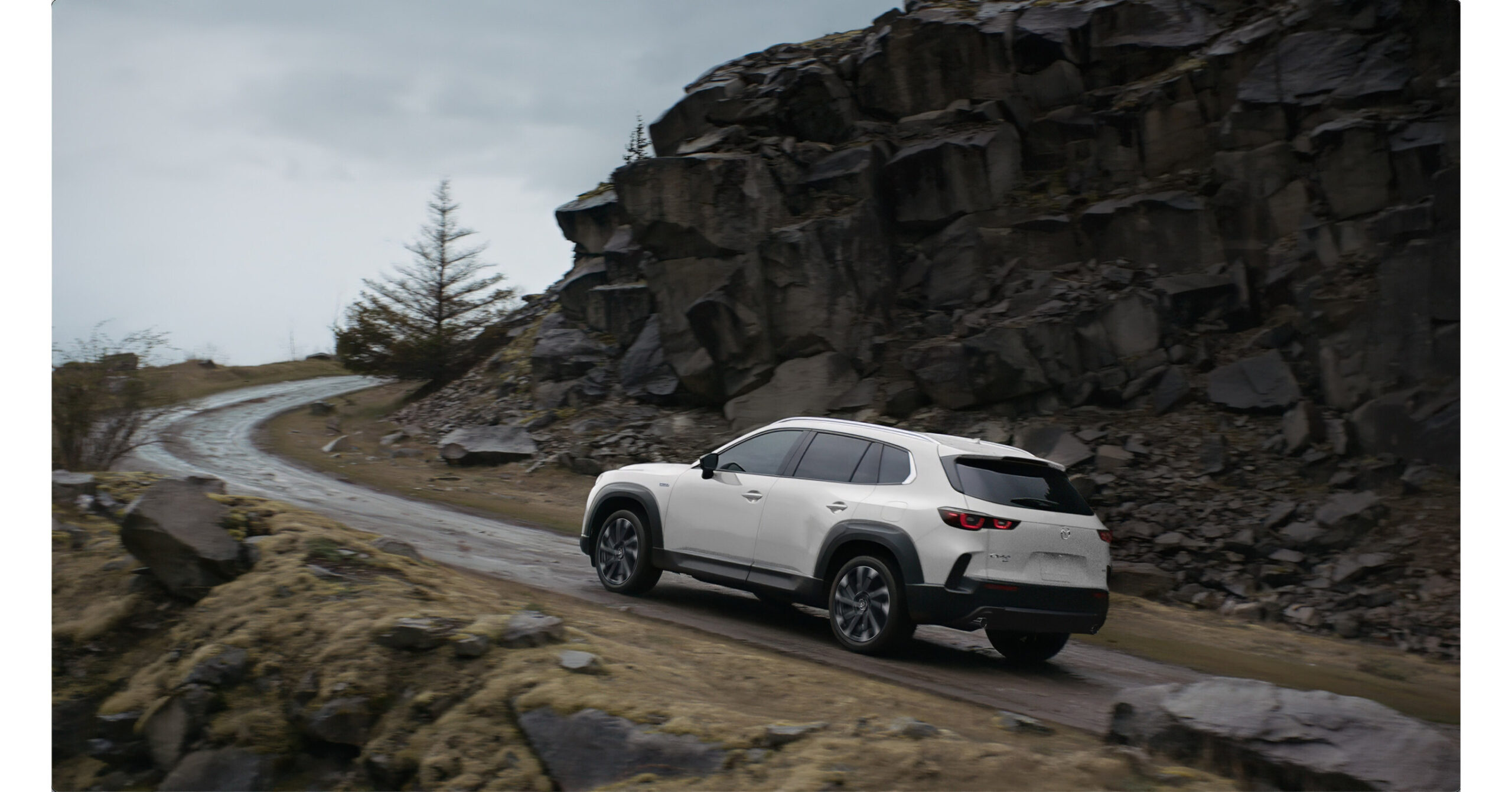


Mazda sold 31,128 vehicles across North America in April, a 17.3 percent drop from the same month last year. The year-to-date picture is no prettier: 125,601 units, down 15.1 percent. Those are the kind of numbers that make boardrooms go quiet.
But the real story isn’t the topline decline. It’s the widening chasm between the models keeping Mazda alive and the ones dragging it under.
The CX-50 posted its best-ever April for the hybrid variant and grew total sales 5.8 percent to 8,201 units. Year-to-date, the CX-50 family is up nearly 20 percent. That nameplate is now carrying weight the rest of the lineup has dropped.
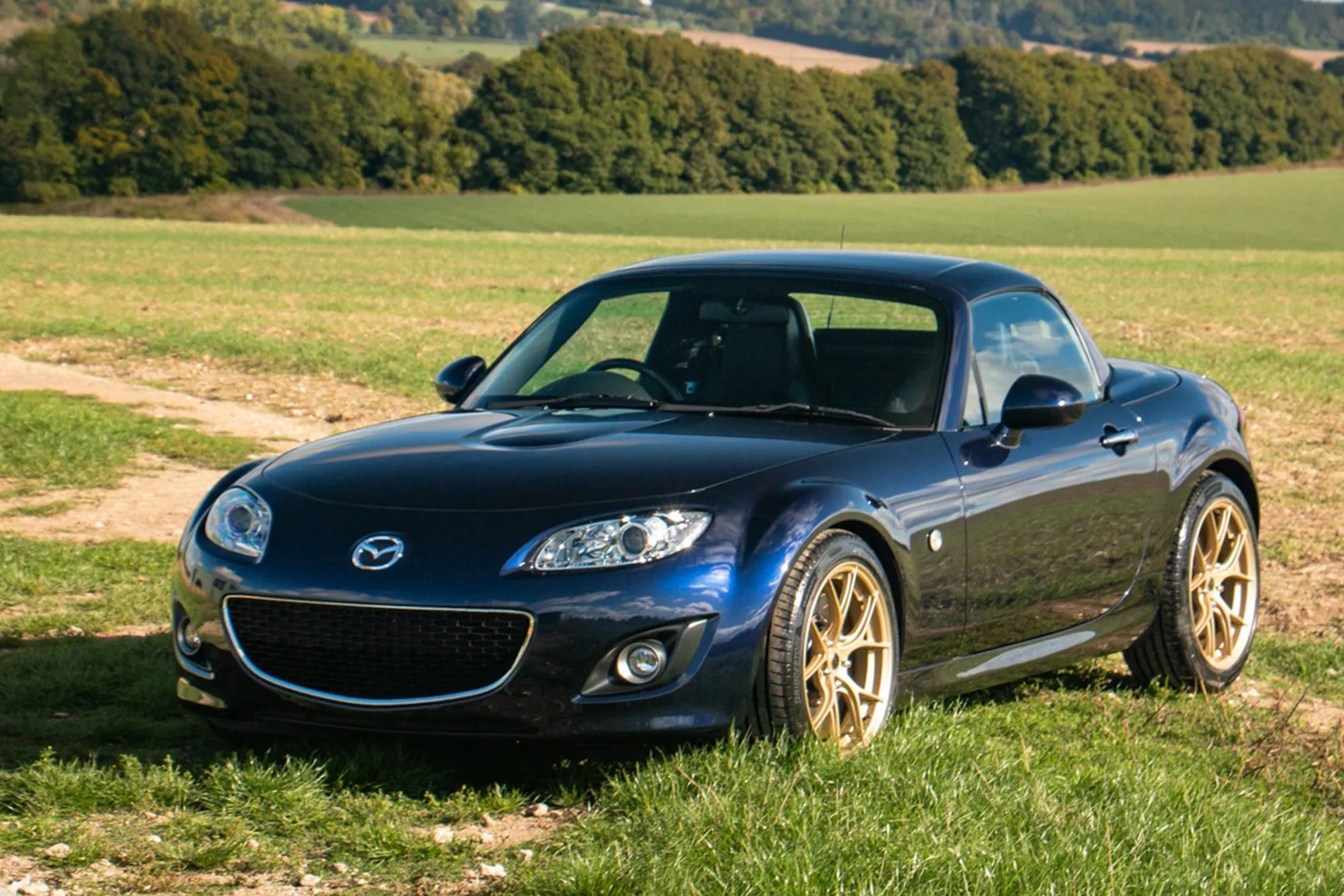
The MX-5 Miata had a monster month too, surging 60 percent to 1,163 units, buoyed by the newer MXR variant that nearly doubled its April 2025 figure. Even the Mazda3 hatchback jumped almost 34 percent while the sedan version sank.
Everything else? A bloodbath.
The CX-30, once a volume workhorse, cratered 35 percent in April and is down a staggering 56 percent year-to-date. That’s not a soft patch. That’s a model in freefall, likely cannibalized by CX-50 and left without a compelling reason to exist in a segment that’s moved on.
The CX-5, still Mazda’s biggest seller by volume at 10,206 units, slipped nearly 19 percent. The two-row crossover that built Mazda’s U.S. business is aging in plain sight.
The larger, more expensive models fared worst of all. CX-70 sales were cut nearly in half, dropping 42.6 percent to just 970 units. The CX-90 fell 39.2 percent to 3,286.
Mazda bet big on these larger platforms to push the brand upmarket, and the market is answering with indifference. Year-to-date, the CX-70 and CX-90 have shed roughly 40 to 46 percent of their prior-year volumes. Buyers who want a premium three-row aren’t cross-shopping Mazda, and that thesis hasn’t changed.
Canada got hit even harder, with April sales plunging 26.7 percent to 6,117 units. Mexico was the lone bright spot across the continent, posting a 6 percent gain to 8,391 vehicles, though even that market is slightly negative year-to-date.
Certified pre-owned sales climbed 3.3 percent to 7,082 units, the best April in CPO history. That’s a useful margin play for dealers sitting on aging inventory, but it also signals that price-sensitive buyers are opting for used Mazdas rather than new ones. When your CPO business outperforms your new-car business, the pricing equation deserves scrutiny.
Strip away the press release gloss and you see a company with exactly two growth stories, the CX-50 hybrid and the Miata, surrounded by declining volume everywhere else. The car side of the ledger actually grew 11 percent, but it represents barely 14 percent of total sales. The truck and crossover side, which is 86 percent of the business, dropped nearly 21 percent.
Mazda has always been a company that punches above its weight on driving dynamics and design. But dynamics don’t move metal when the product mix is this uneven. The CX-50 is working, the upmarket push is not, and the models in between are quietly disappearing from driveways.
Four months into 2026, Mazda is 22,375 units behind last year’s pace. That gap isn’t closing with record Miata months and CPO wins. Something structural has to change, or this is just the new normal for a brand that aimed higher and landed sideways.


Share this Story