


In 1988, Ford rolled out the AeroMax L9000, the most aerodynamic semi-tractor it had ever built. Independent testing showed a 23 percent fuel economy improvement over its predecessor. Four years later, Ford pulled out of the heavy truck business entirely and never came back.
The story of how a 1.7 mpg gain killed a truck program instead of saving it is really a story about timing — and how the trucking industry punishes anyone who shows up late to the party.
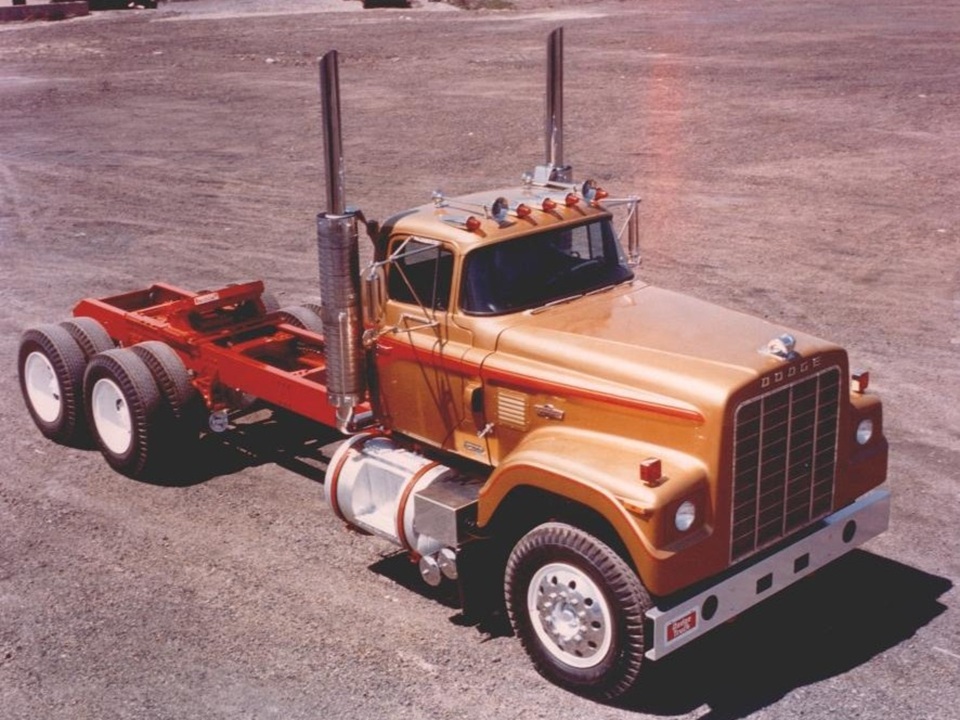
Ford had been a serious player in Class 8 trucks since 1970, when it launched the Louisville Line from a brand-new 2.7-million-square-foot plant in Kentucky — at the time, the world’s largest truck factory. The L-Series came in 22 models with 650 variations. Ford held 15 percent of the heavy truck market and had nearly 5,000 orders before the first rig rolled off the line.
Then the 1970s happened. Fuel crises. Economic stagnation. And in 1980, the Motor Carrier Act deregulated shipping rates, which cratered trucking profits.
Between 1978 and 1986, roughly 4,000 trucking companies and operators went under. Class 8 sales dropped 25 percent in the first half of the decade. Fleets stopped buying new iron and started wringing every last mile from what they already had.
Kenworth saw the opening. Its 1984 T600, designed from scratch around aerodynamics, gave fleets a reason to write checks again. It advertised 9 mpg. Freightliner and others followed quickly. Ford sat on its hands.
By 1987, Ford’s heavy truck market share had eroded to 10 percent. The Louisville Line looked like a relic. Speculation swirled that the Blue Oval would abandon big rigs altogether.
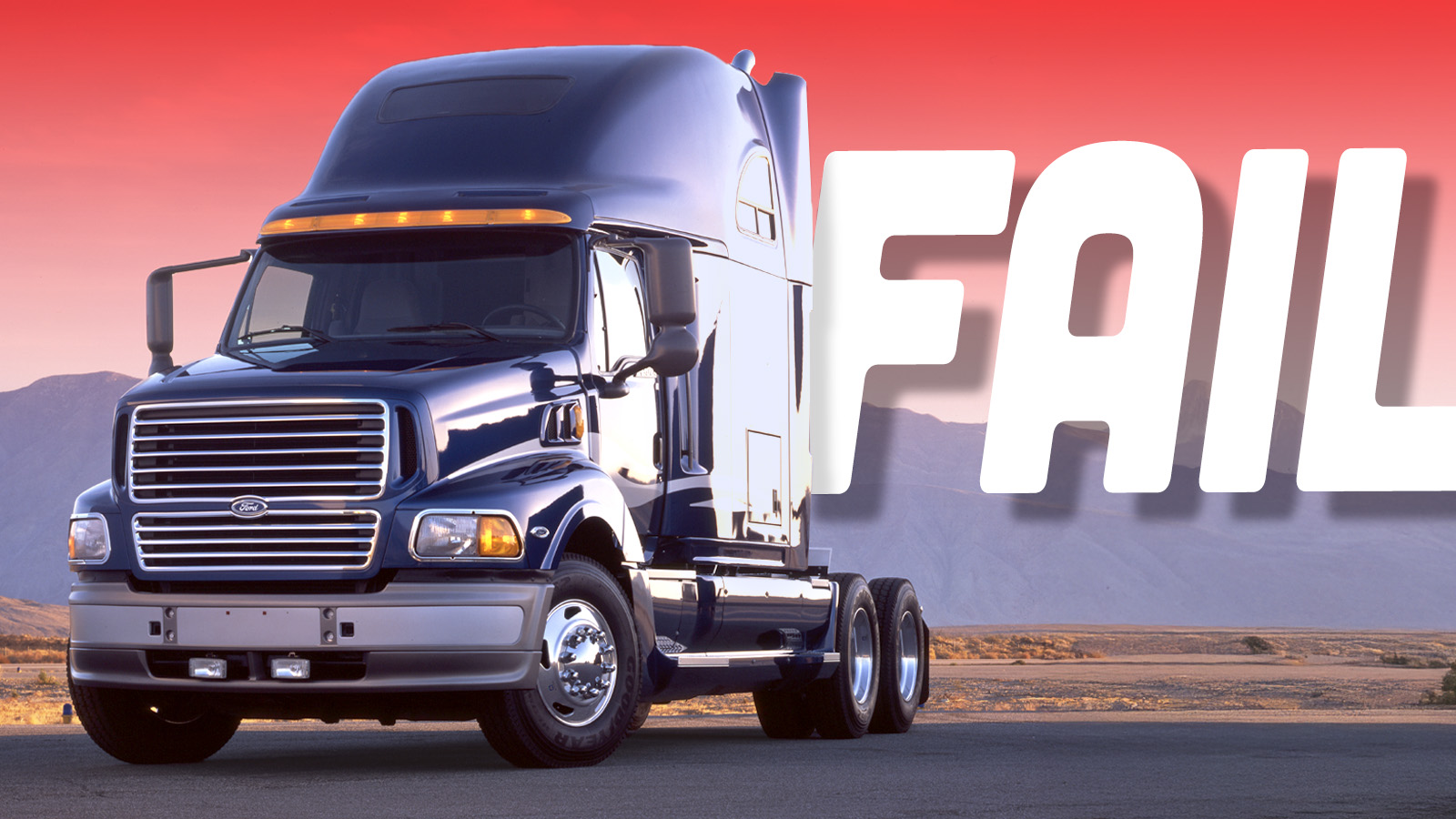
The AeroMax was Ford’s answer. Engineers reshaped the L-9000’s nose, integrating headlights into a curved hood, adding an air-dam bumper, aerodynamic fender flares, rounded mirrors, tank fairings, and a smooth cab-top fairing. They fitted Michelin low-rolling-resistance radials. In an SAE fuel economy test at 55 mph, the AeroMax averaged 8.27 mpg versus 6.58 for a conventional LNT-9000.
That 23 percent improvement was real and measurable. It didn’t matter. Kenworth had been selling aerodynamic trucks for four years by then.
The T600 was already advertising better numbers. The AeroMax brought nothing to the table that fleet managers hadn’t already seen — and bought — from Paccar, Freightliner, and International.
Ford stabilized its 10 percent share but couldn’t gain an inch. The Louisville plant that was supposed to roar back to life was still running at half capacity. Ford eventually sold its heavy truck operation to Freightliner parent Daimler in 1997.
The brand that once accounted for a quarter of North American heavy truck production simply walked away. The AeroMax joins a long list of too-late-to-matter vehicles across automotive history. Ford’s engineering was sound, and its testing was legitimate.
But the trucking industry doesn’t award points for showing up with yesterday’s innovation at tomorrow’s price. Kenworth, Freightliner, and Peterbilt had already reshaped the market by the time Ford got around to reshaping its hood.
What makes this story sting is that Ford had the resources, the factory, and the institutional knowledge. John Van Vactor, the self-educated plant manager who convinced Ford brass to build in Louisville in the first place, understood that truck manufacturing wasn’t just car manufacturing on a bigger scale. That insight was right, but understanding the product and understanding the market are two very different things.
Today, Ford’s Kentucky Truck Plant builds Super Duty pickups and Expeditions. Not a single Class 8 tractor. The AeroMax is a footnote, a truck that proved you could be 23 percent better and still lose everything.




Share this Story