
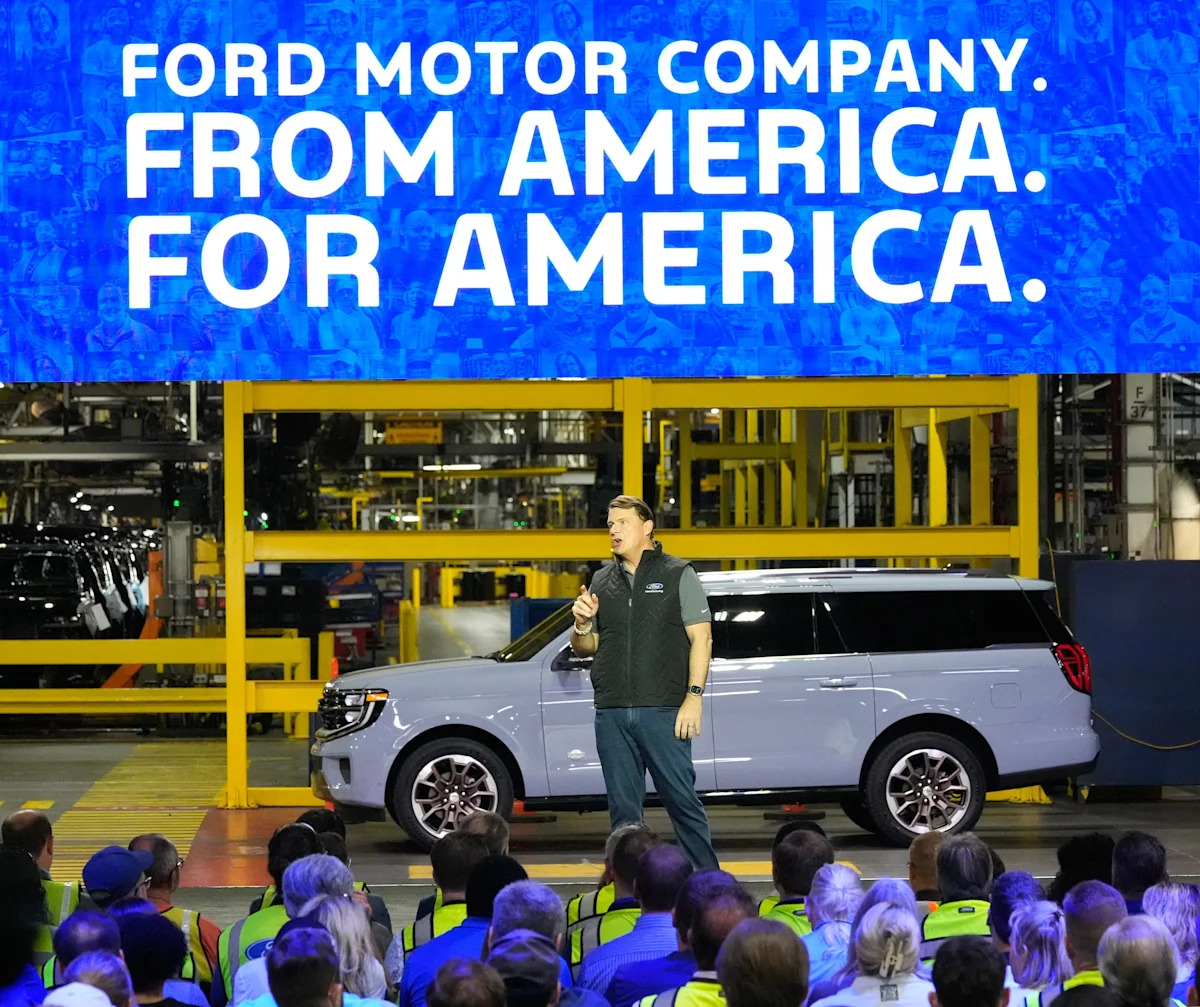


Ford CEO Jim Farley wants you to know something: his company assembled more than two million vehicles in the United States last year, more than any other automaker, for the ninth consecutive year. Eighty-three percent of every Ford sold domestically was built domestically. For every vehicle imported, six rolled off American lines.
The White House wants you to know the same thing — but for very different reasons.
A politically charged reading of S&P Global Mobility data released this week has turned Ford’s manufacturing footprint into a campaign prop ahead of the 2026 midterms. Republican lawmakers from Michigan to Arkansas lined up to credit President Trump’s tariff regime, deregulation push, and new tax deductions on interest payments for U.S.-built vehicles. Rep. Bill Huizenga called it reshoring.
Rep. Tim Walberg said American auto manufacturing is “roaring back.” A White House spokesman declared no president has done more to revive the industry.
Farley, for his part, told a slightly different story. “We never took a bailout, and we never wavered on our commitment to America and American jobs,” he wrote in a company blog post. “That’s who we are and who we always have been, regardless of policy or tariffs.”
That last phrase lands like a quiet elbow. Ford has led U.S. vehicle assembly every year since 2017 — through the first Trump administration, through Biden’s EV mandates, and now through Trump’s second-term tariffs. The company’s domestic production dominance predates every policy currently being credited for it.
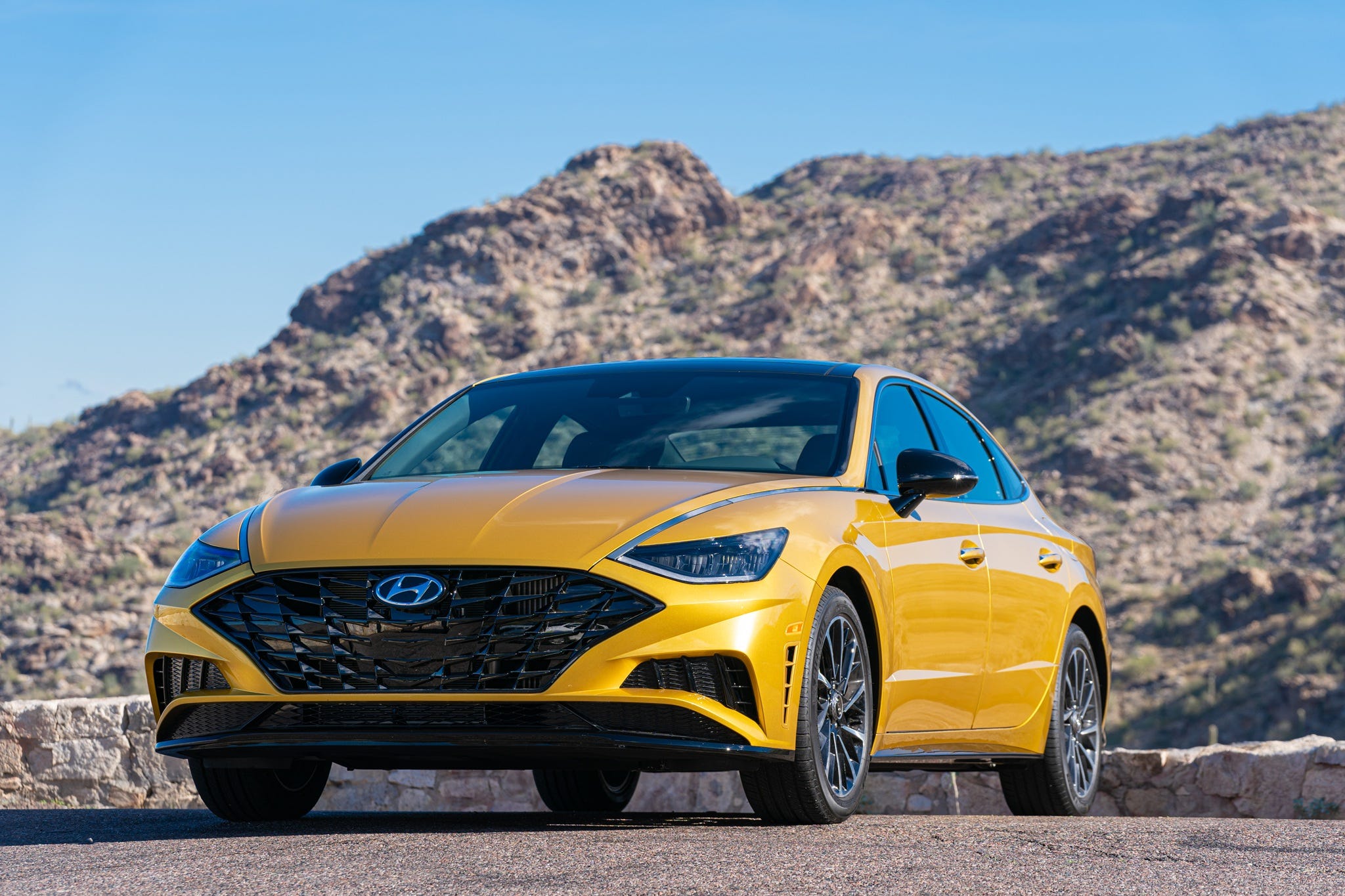
The raw numbers do tell a compelling story about Ford’s competitors. Toyota imported nearly 1.2 million finished vehicles into the U.S. in 2025. General Motors shipped in 1.17 million. Hyundai brought in 1.09 million.
Honda, Stellantis, Volkswagen, and Nissan each cleared 400,000. Ford imported just 378,123 — fewer than every major competitor except Tesla and BMW.
That gap is real. Whether tariffs widened it or Ford’s long-standing plant strategy created it is the question nobody in Washington seems interested in answering honestly.
Ford employs roughly 56,300 workers in the U.S. and is planning thousands of new hires to support launches across gas, hybrid, and electric vehicles. Major projects are underway in Kentucky, Michigan, Ohio, and Tennessee. The Louisville Assembly Plant is being retooled for an all-new electric truck after a $2 billion investment.
The Glendale, Kentucky, battery plant — a joint venture with SK On that shuttered and laid off about 1,500 workers — is expected to reopen in 2027 as a battery energy storage facility. That story doesn’t fit neatly into anyone’s talking points. A plant that was supposed to make EV batteries went dark, shed workers, and is being repurposed.
Ford is adapting, not triumphantly marching forward on a single trajectory.
The political math here is simple. Trump toured Ford’s River Rouge Complex in January. Michigan Senate candidate Mike Rogers called it “the Great American comeback.”
The auto industry is being drafted into a midterm narrative about affordability and national pride, same as it was in 2018 and 2020 and every cycle before.
Ford’s domestic manufacturing commitment is genuine, deeply rooted, and decades old. It survived bankruptcy threats, a global pandemic, and an EV transition that is still finding its footing. Crediting it to any single administration requires ignoring the calendar.
Farley knows that. He said it plainly. Washington just wasn’t listening.



Share this Story