
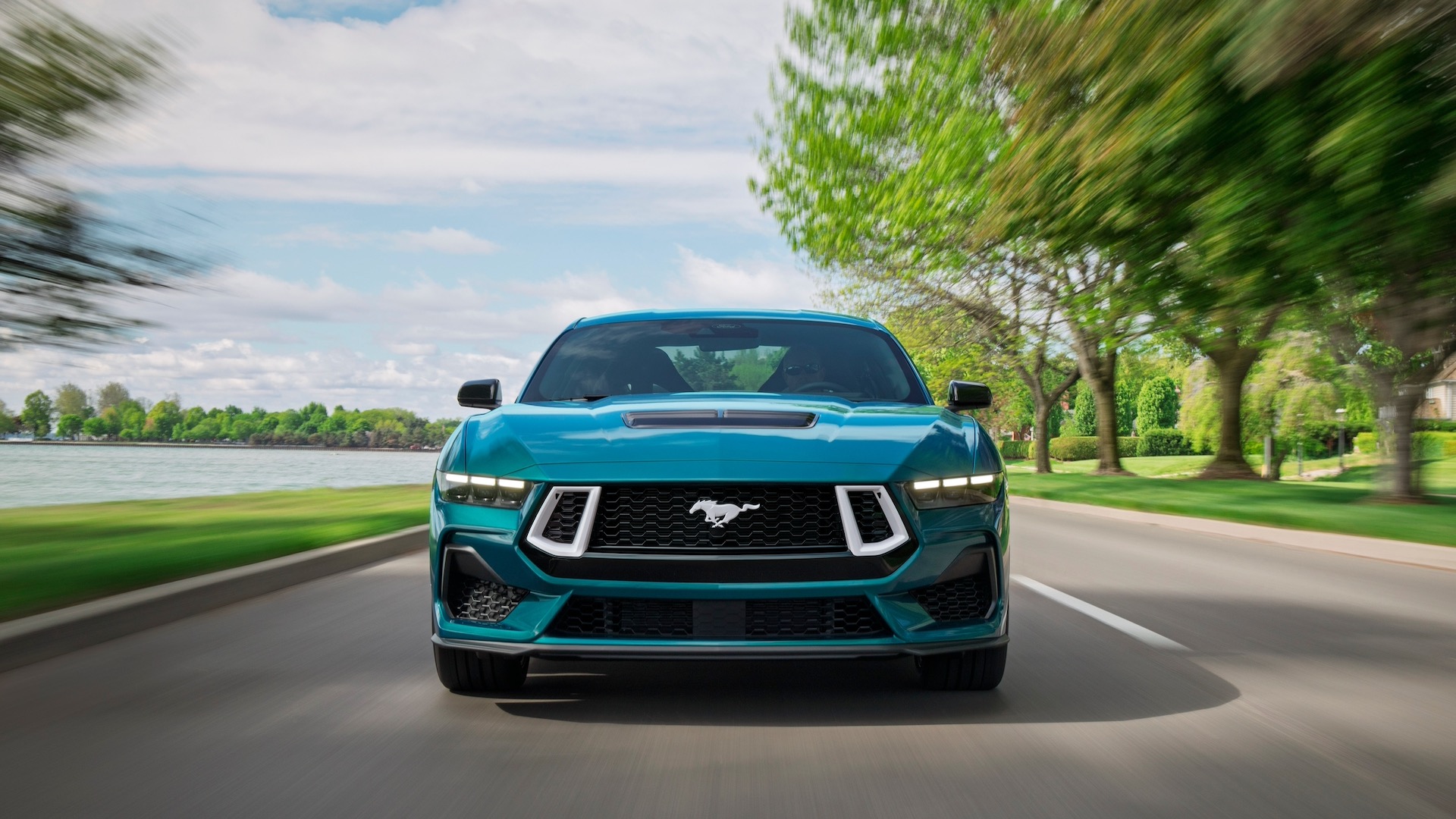


Ford sold 14,074 Mustangs in the first quarter of 2026, a 50.1% jump over the same period last year. In a market rattled by tariffs, fuel costs, and vanishing EV incentives, a V8-powered pony car is putting up numbers that would make most crossover programs jealous.
The context makes those figures even more striking. The Camaro is dead. The Challenger is dead. Toyota killed the Supra. Nissan Z sales cratered 58.3%. The Dodge Charger, Stellantis’s supposed muscle car successor, managed just 1,775 units, down 8.8%. Ford now estimates the Mustang accounts for 61% of mainstream sports car sales, up from 44.9% a year ago.
That’s not market share growth in the traditional sense. That’s a last-man-standing scenario where Ford is collecting chips from empty chairs at the poker table.
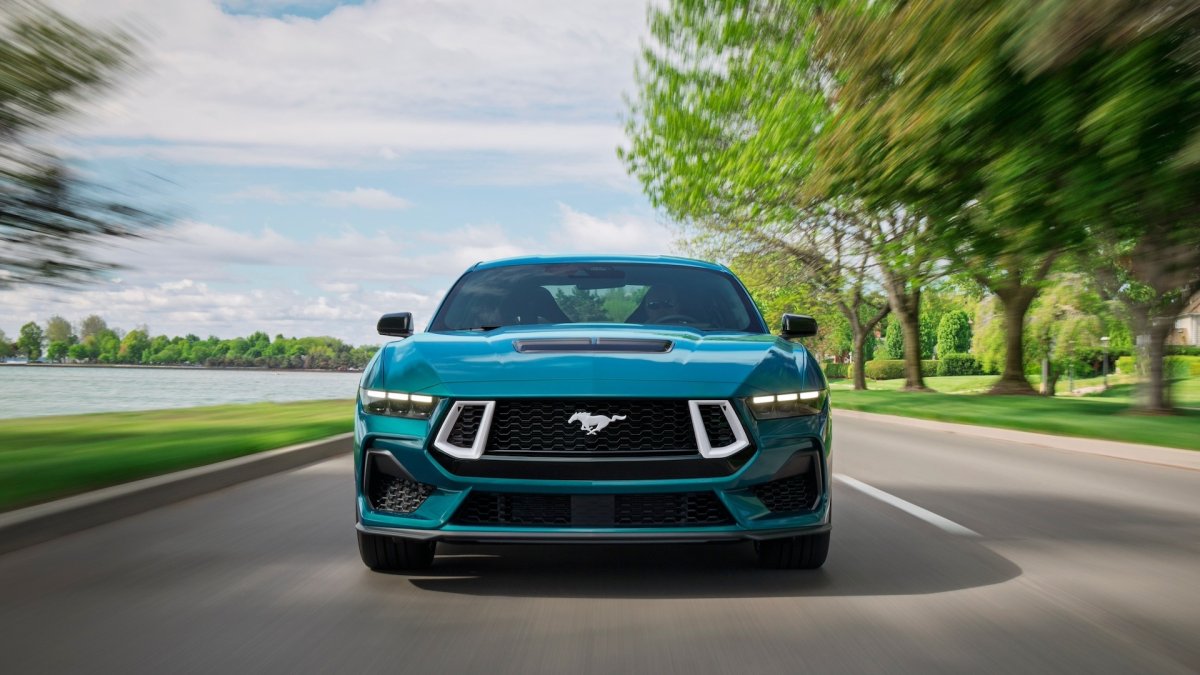
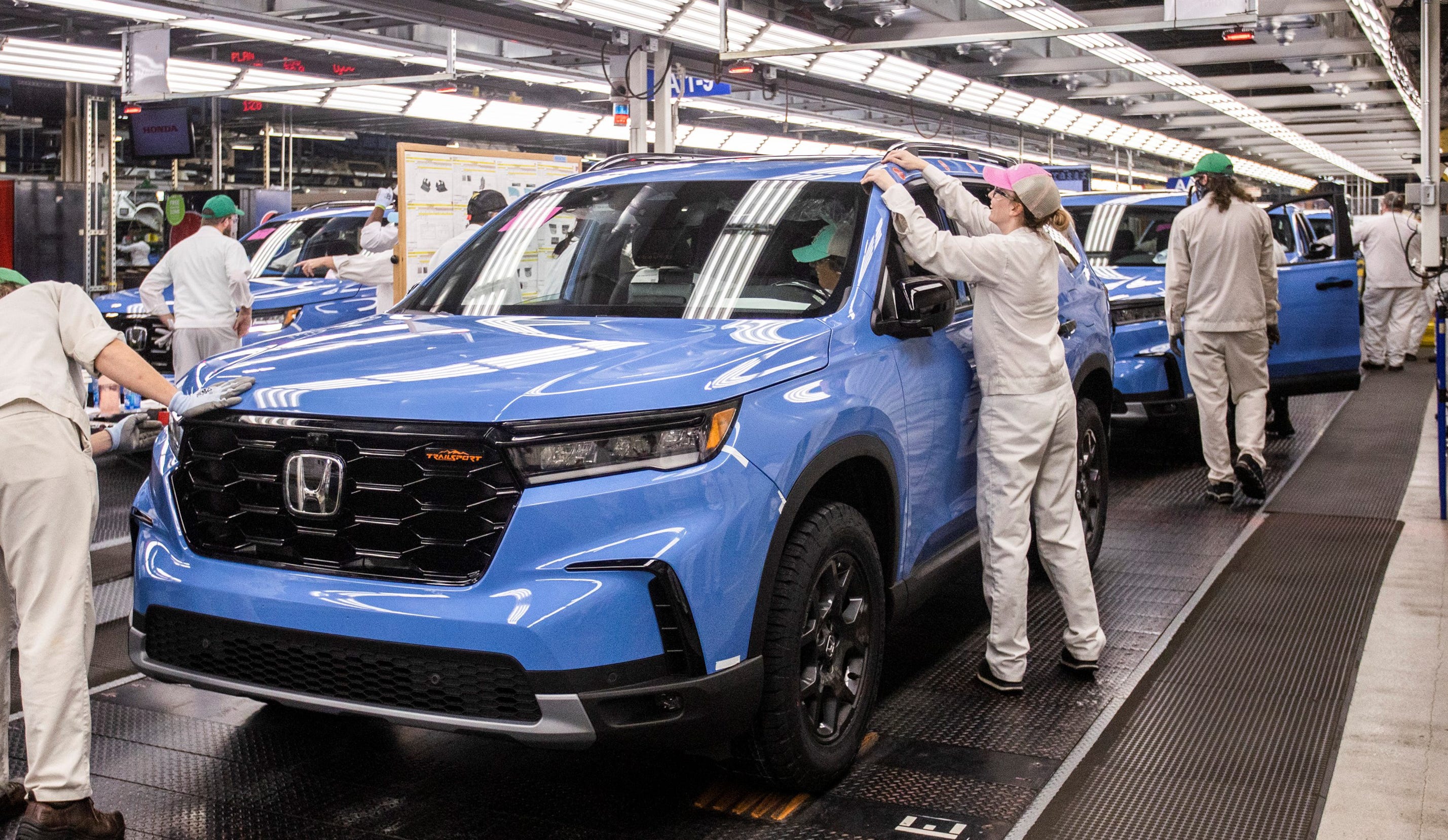
The second-place finisher in the mainstream sports car category was the Toyota GR 86, at 2,046 units, down 26.3% and roughly one-seventh of Mustang volume. The Honda Prelude, just arriving as a hybrid coupe, contributed a modest 795 sales. Dealers even moved three leftover Camaros and 45 leftover Challengers from back lots. That’s the competitive landscape Ford is dominating.
Ford says the overall mainstream sports car segment grew 10.3% year over year, to 23,060 sales. Do the math: the Mustang alone added nearly 4,700 incremental units. Strip that out and the rest of the segment contracted. The Mustang didn’t just ride a rising tide. It was the tide.
The volume also puts Ford’s coupe ahead of some expensive company. Mustang Q1 sales exceeded the combined totals of the Chevrolet Corvette (6,235) and Porsche 911 (4,256). Those are cars selling at significantly higher transaction prices, aimed at wealthier buyers, and neither touched the Mustang’s raw unit count. Ford’s recent price cuts on certain Mustang trims clearly helped convert interest into showroom traffic.
There’s an uncomfortable truth buried in these numbers for the rest of the industry. GM, Stellantis, and Toyota all made deliberate decisions to exit or de-emphasize affordable performance cars. They chased crossover margins and EV mandates. Ford kept the Mustang alive, updated it with the S650 generation, and now reaps the reward of being the only game in town for buyers who want a rear-drive, gas-powered coupe under $40,000.
Whether this is a story about Ford’s conviction or everyone else’s surrender depends on your perspective. The Mustang didn’t suddenly become a better car in the last twelve months. It became the only car. Buyers who once cross-shopped Camaros and Challengers now have exactly one option in the segment, and they’re taking it.
The sales spike also gives Ford internal ammunition. In a lineup otherwise dominated by trucks, SUVs, and the embattled Mach-E, the Mustang coupe and convertible justify their existence on the balance sheet. That matters when product planners are deciding what gets funding for the next cycle.
A 50% sales increase sounds like a triumph, and it is, for Ford. For the sports car segment, it reads more like a eulogy. One car shouldn’t represent 61% of an entire category. The fact that it does tells you everything about where Detroit’s priorities have gone and how little faith most automakers have left in the people who just want to drive something fun.
Share this Story